UNDERPINING DO’s and DON’Ts
Things You Should and Shouldn’t Do Regarding Underpinning
DO’s:
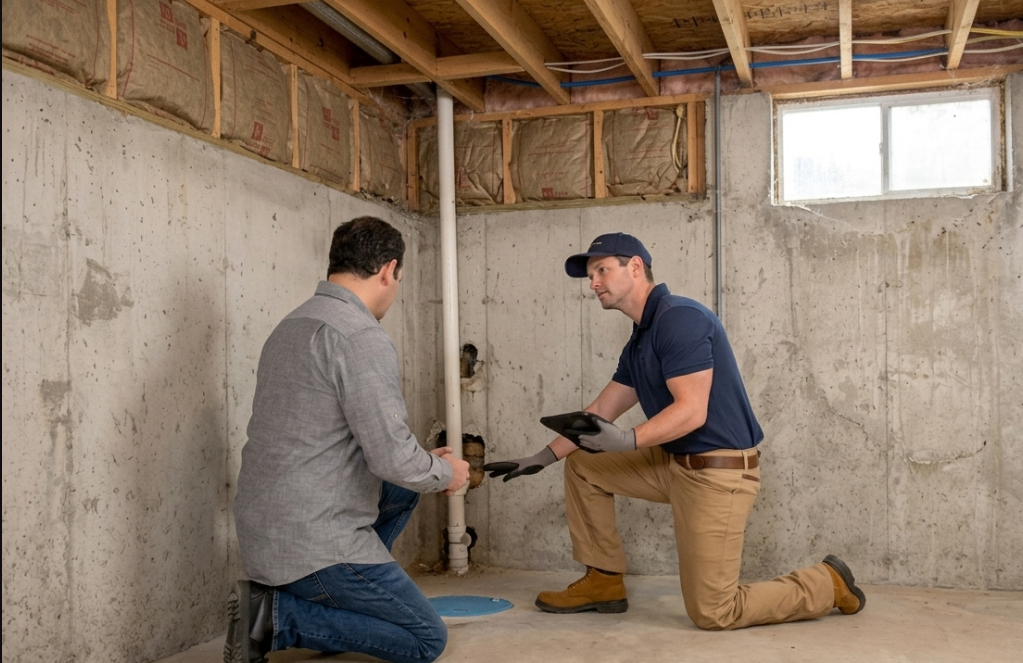
Consult with a Professional: Before starting any basement underpinning project, consult with a structural engineer or a qualified basement underpinning contractor. They can assess your basement’s condition and provide guidance tailored to your specific needs.
Obtain Permits: Ensure you have all the necessary permits from your local municipality before beginning any underpinning work. Compliance with building codes and regulations is essential for safety and legal reasons.
Plan Thoroughly: Develop a detailed plan for the underpinning project, including timelines, budget, and potential challenges. Consider factors such as soil conditions, groundwater levels, and existing structural integrity.
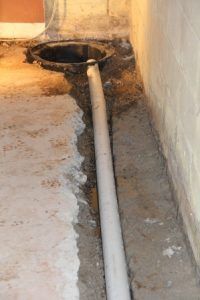
Address Waterproofing: Prioritize waterproofing measures to prevent moisture issues in the newly excavated area. This may include installing drainage systems, applying waterproof membranes, and using quality sealant.
Use Quality Materials: Invest in high-quality materials and equipment for the underpinning process. This ensures the structural integrity and longevity of the foundation.
Work with Experienced Contractors: Hire experienced contractors or a reputable underpinning company with a proven track record. Basement underpinning is a complex process that requires specialized skills and expertise.
Monitor Progress Regularly: Stay involved throughout the underpinning project and regularly monitor progress. Address any concerns or deviations from the plan promptly to avoid costly mistakes or delays.
Follow Safety Protocols: Prioritize safety at all times during the underpinning process. Ensure proper ventilation, use protective gear, and implement safety measures to prevent accidents or injuries.
DON’TS:
Cut Corners: Avoid cutting corners or compromising on quality to save time or money. Proper basement underpinning requires thorough planning, adherence to standards, and attention to detail.
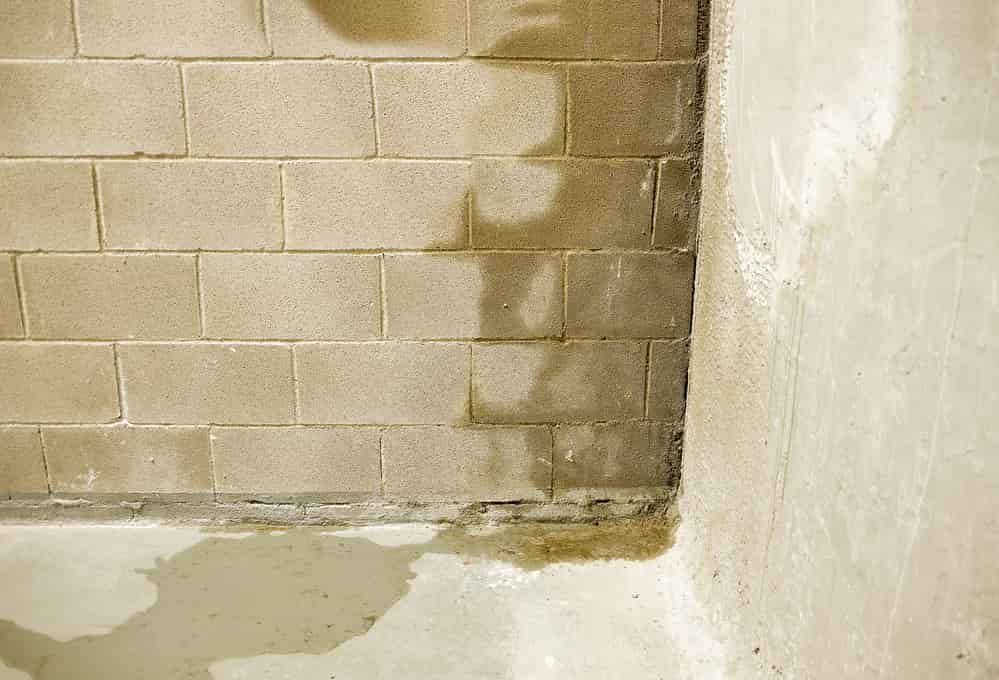
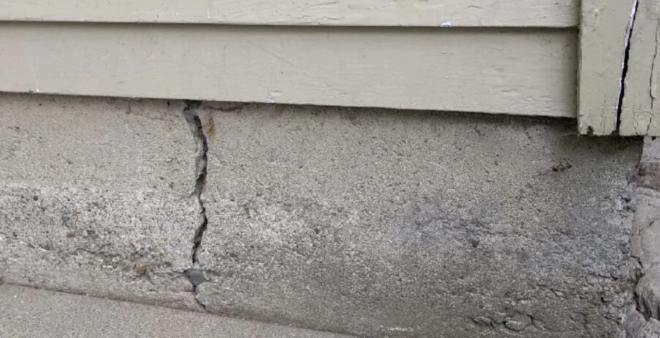
Ignore Warning Signs : Don’t ignore warning signs of structural issues such as cracks, uneven floors, or water infiltration. Addressing these issues early can prevent further damage and costly repairs down the line.
Underestimate Costs: Don’t underestimate the costs involved in basement underpinning. Factor in all expenses, including materials, labor, permits, and potential unforeseen circumstances, to avoid budget overruns.
DIY without Proper Knowledge: Basement underpinning is not a DIY project for inexperienced individuals. Attempting to underpin your basement without proper knowledge and expertise can lead to serious structural problems and safety hazards.
Rush the Process : Avoid rushing the underpinning process to meet tight deadlines. Rushing can compromise the quality of workmanship and increase the risk of errors or accidents.
Neglect Regular Maintenance: Once the underpinning is complete, don’t neglect regular maintenance of your basement foundation. Inspect for signs of settling, moisture issues, or structural concerns, and address them promptly to prevent further damage.
Disregard Local Regulations: Don’t disregard local building codes and regulations governing basement underpinning. Non-compliance can result in fines, delays, or even legal consequences.
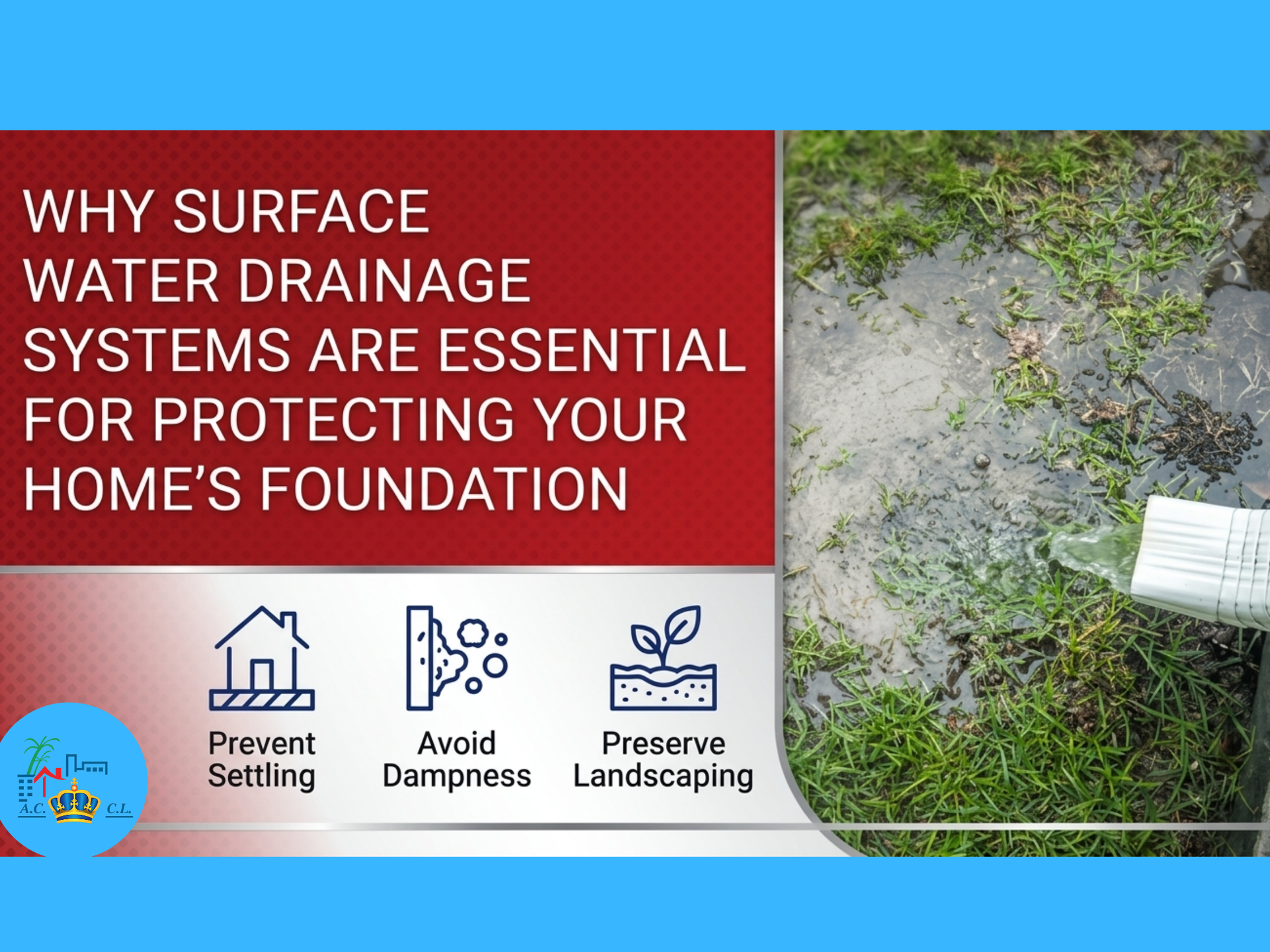
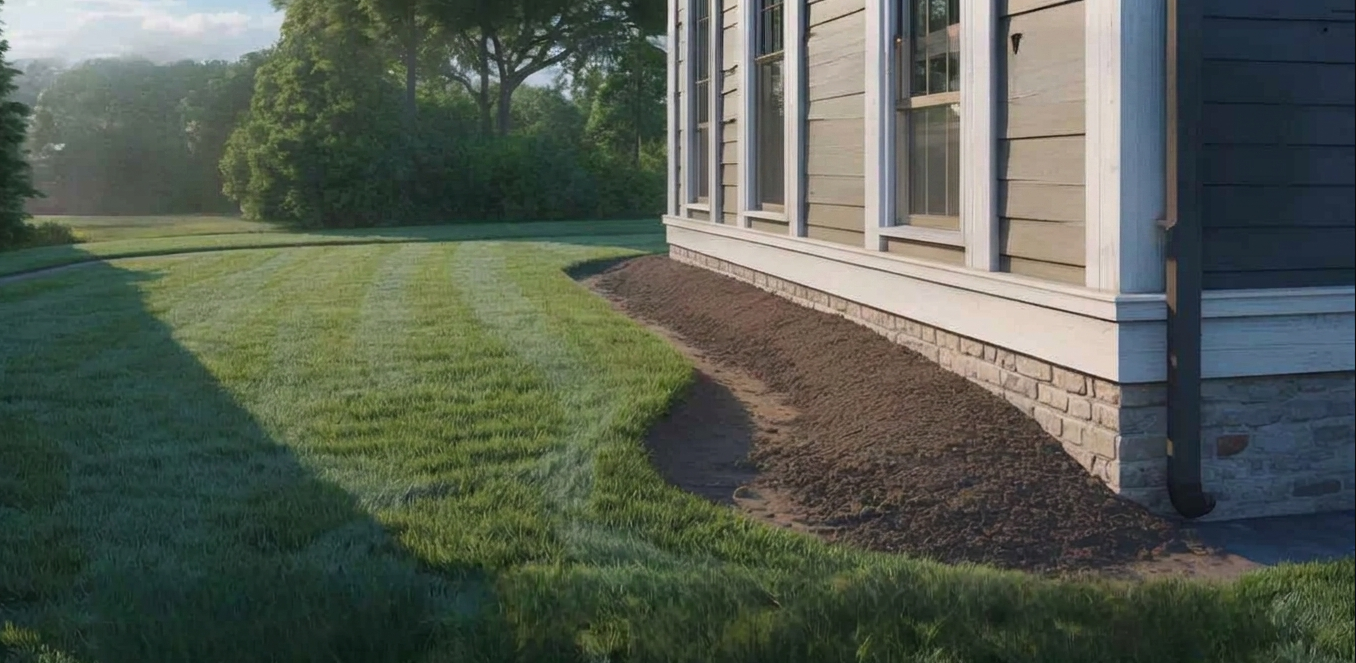
Overlook Drainage Considerations: Don’t overlook proper drainage considerations during the underpinning process. Inadequate drainage can lead to water accumulation, which can compromise the stability of the foundation and cause moisture-related problems.
The post UNDERPINING DO’s and DON’Ts appeared first on ACCL Waterproofing.