What Is Hydrostatic Pressure and Why Is It Bad for Your Foundation?
What Is Hydrostatic Pressure?
Many homeowners are surprised to learn that water doesn't need a large crack or opening to enter a basement. In many cases, the real culprit is hydrostatic pressure—a powerful force that develops underground and pushes water against your foundation walls.
Hydrostatic pressure is one of the leading causes of basement leaks, foundation cracks, and long-term water damage. Understanding how it works can help homeowners recognize potential risks and take preventative measures before costly repairs become necessary.
What Is Hydrostatic Pressure?
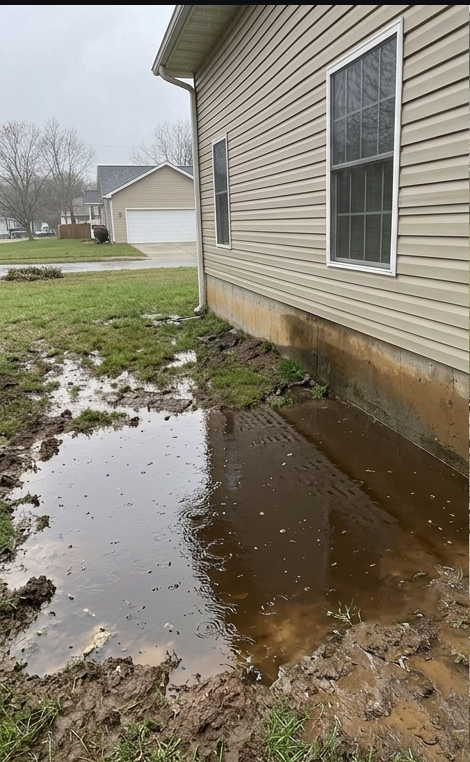
Hydrostatic pressure occurs when water accumulates in the soil surrounding your home's foundation. After heavy rainfall, snowmelt, or prolonged wet weather, the soil becomes saturated with water.
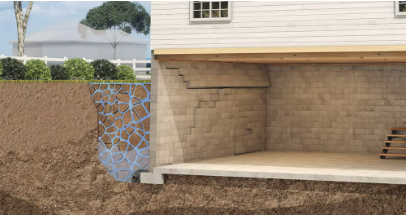
As the amount of water in the ground increases, pressure begins to build against foundation walls and basement floors. Because water naturally seeks the path of least resistance, it constantly pushes against concrete, mortar joints, and any existing weaknesses in the foundation.
Over time, this pressure can become strong enough to force moisture through tiny pores in the concrete or exploit small cracks that may already exist.
Why Is Hydrostatic Pressure a Problem?
While concrete is strong, it is not completely waterproof. Continuous pressure from saturated soil can gradually wear down your foundation's ability to resist moisture.
Hydrostatic pressure can lead to:
- Basement leaks
- Foundation wall cracks
- Bowing foundation walls
- Damp basement conditions
- Mold and mildew growth
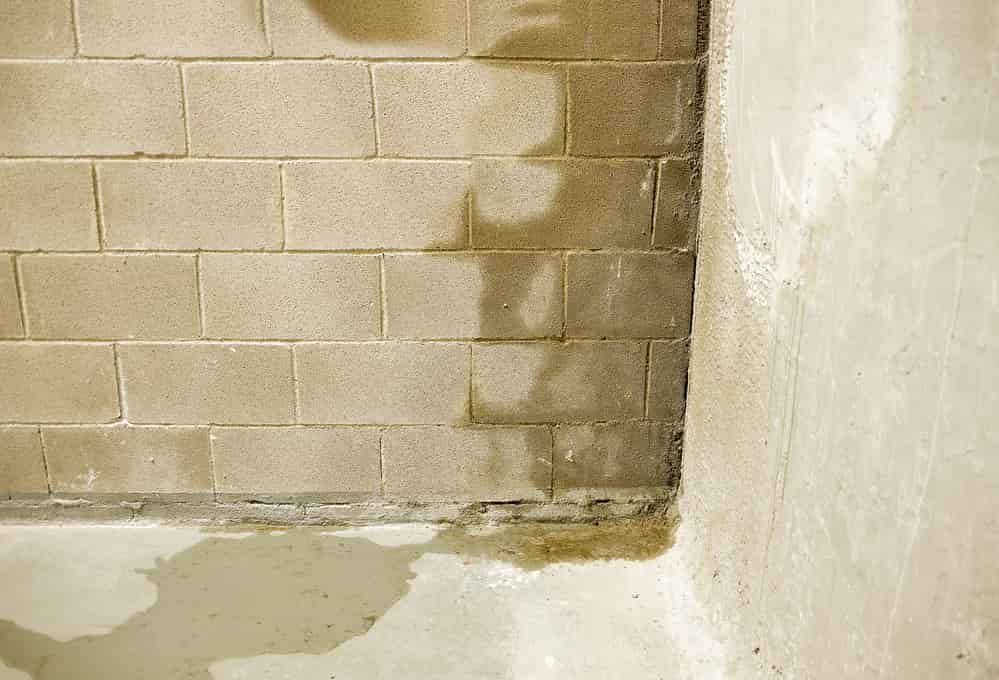
- Water stains and efflorescence
- Structural deterioration
Even a small amount of moisture entering your basement can create conditions that affect air quality, comfort, and property value.
How Does Hydrostatic Pressure Build Up?
Several factors can contribute to excessive hydrostatic pressure around your home:
Heavy Rainfall
Significant rainfall increases the amount of groundwater surrounding your foundation.
Poor Drainage
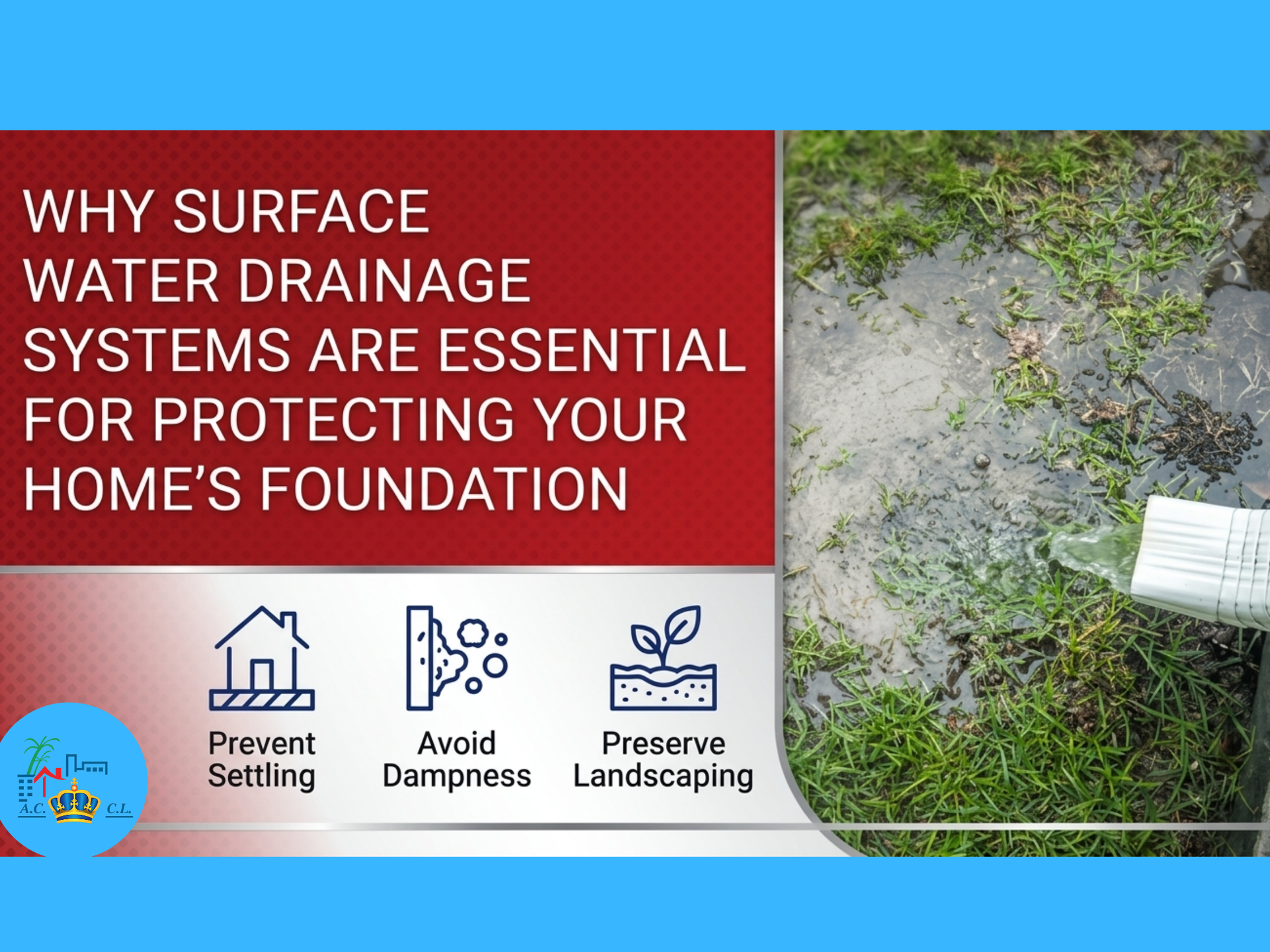
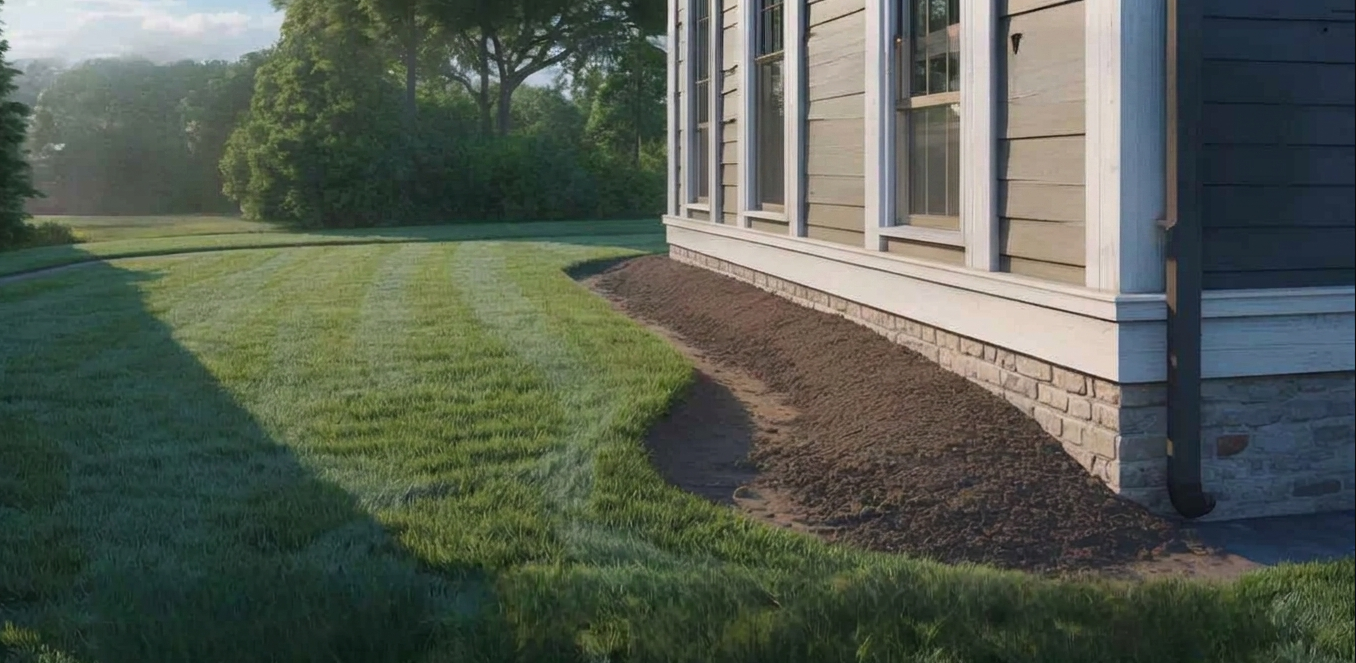
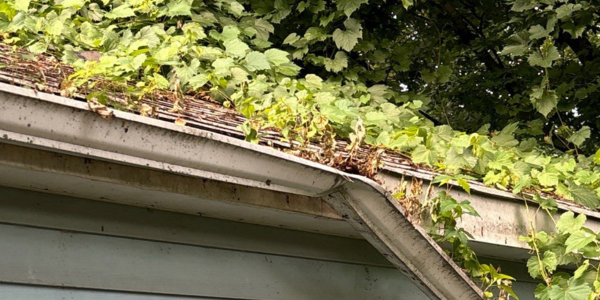
Improper grading, clogged gutters, and inadequate drainage systems can cause water to collect near the foundation rather than flow away from it.
Failing Weeping Tile Systems
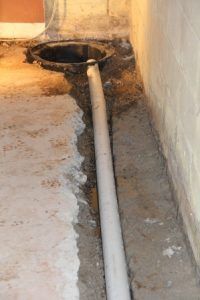
Weeping tile systems are designed to collect and redirect groundwater. When these systems become blocked or damaged, water can accumulate around the foundation.
Seasonal Snowmelt
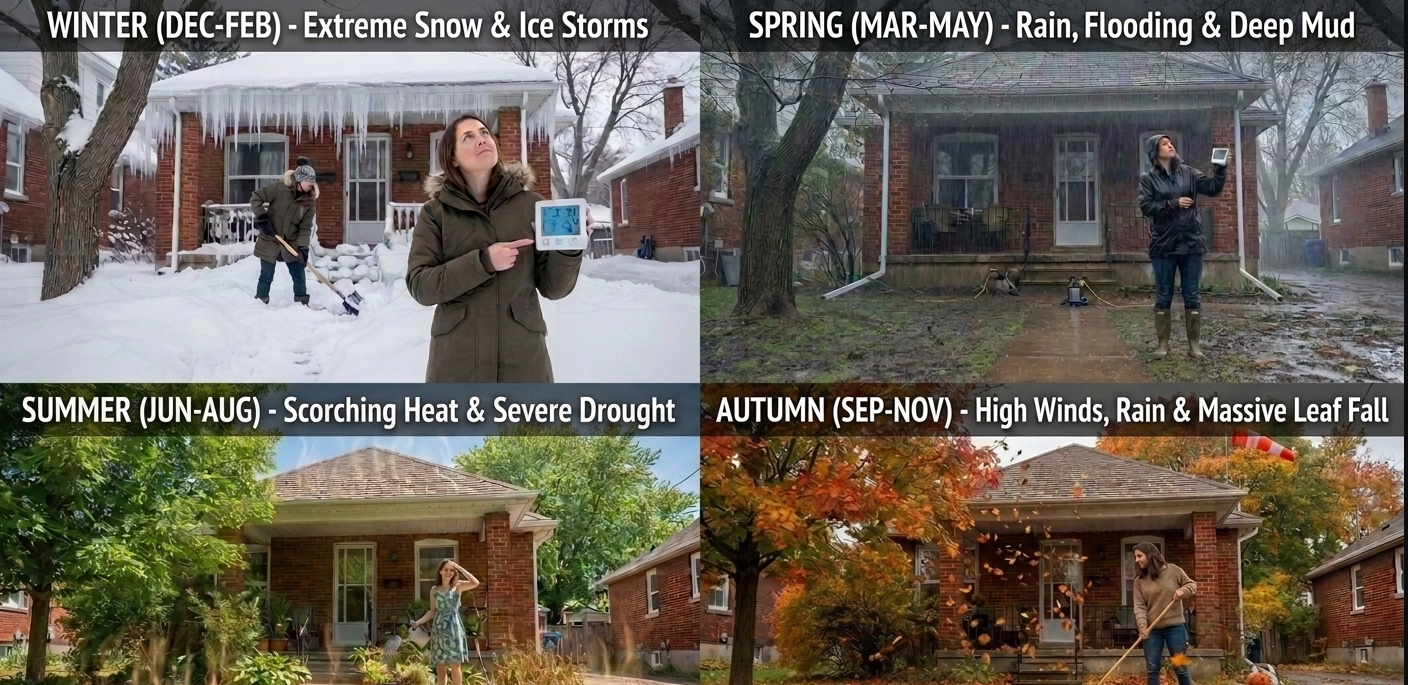
Ontario homeowners often experience increased hydrostatic pressure during spring thaw when large volumes of melting snow saturate the soil.
Common Warning Signs
Hydrostatic pressure often provides warning signs before major damage occurs.
Homeowners should watch for:
✅ Damp basement walls
✅ Water stains on concrete surfaces
✅ White chalky residue (efflorescence)
✅ Musty odors
✅ Foundation cracks
✅ Water seepage after rainstorms
✅ Peeling paint on basement walls
If you notice any of these symptoms, it may indicate that groundwater pressure is affecting your foundation.
Can Hydrostatic Pressure Cause Foundation Cracks?
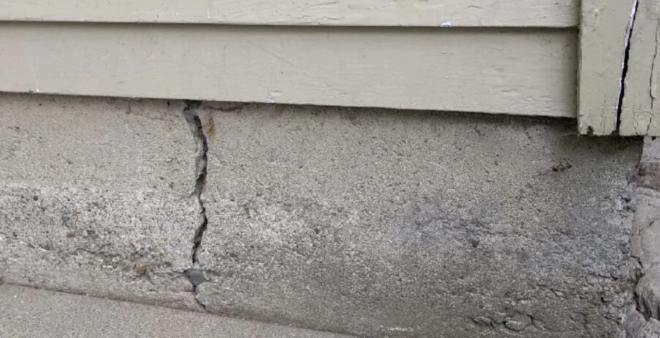
Yes. As pressure builds against foundation walls, the force can eventually create or worsen cracks.
Water then enters through these openings, creating a cycle where moisture weakens the structure while pressure continues to increase.
Many foundation cracks that initially appear harmless can become significant entry points for water intrusion if left untreated.
How Waterproofing Helps Relieve Hydrostatic Pressure
Effective waterproofing systems are designed to manage water before it reaches your foundation walls.
These systems may include:
Exterior Waterproofing Membranes
Waterproof membranes create a protective barrier that prevents groundwater from penetrating foundation walls.
Drainage Boards
Drainage boards help direct water downward toward drainage systems while reducing pressure against the wall.
Weeping Tile Systems
Properly functioning weeping tiles collect groundwater and safely redirect it away from the foundation.
Foundation Crack Repairs
Professional crack repair solutions help eliminate entry points for moisture and prevent further deterioration.
Why Prevention Is More Cost-Effective Than Repairs
Hydrostatic pressure rarely improves on its own. Once water begins affecting a foundation, the problem often becomes progressively worse over time.
Addressing drainage and waterproofing concerns early can help homeowners avoid:
- Major foundation repairs
- Mold remediation costs
- Basement flooding
- Structural damage
- Reduced property value
A proactive approach to waterproofing is often significantly less expensive than repairing extensive water damage later.
Protect Your Foundation with ACCL Waterproofing
At ACCL Waterproofing, we help homeowners identify the causes of water intrusion and implement long-term solutions that protect foundations from hydrostatic pressure.
Our services include:
✅ Foundation Crack Repair
✅ Exterior Waterproofing
✅ Weeping Tile Installation
✅ Drainage Solutions
✅ Foundation Protection Systems
If you've noticed moisture, leaks, or signs of foundation distress, our experienced team can assess your property and recommend the most effective waterproofing solution.
Contact ACCL Waterproofing
Corporate Head Office
124 Wilson Rd S
Oshawa, ON L1H 6C1
📞 West: 1 (416) 759-2995
📞 East: 1 (905) 448-5909
📞 Toll Free: 1 (866) 701-8484