8 Waterproofing Myths Every Homeowner Should Stop Believing
When it comes to protecting your home from water damage, there is no shortage of advice.
Some of it is helpful, while some common beliefs can give homeowners a false sense of security.
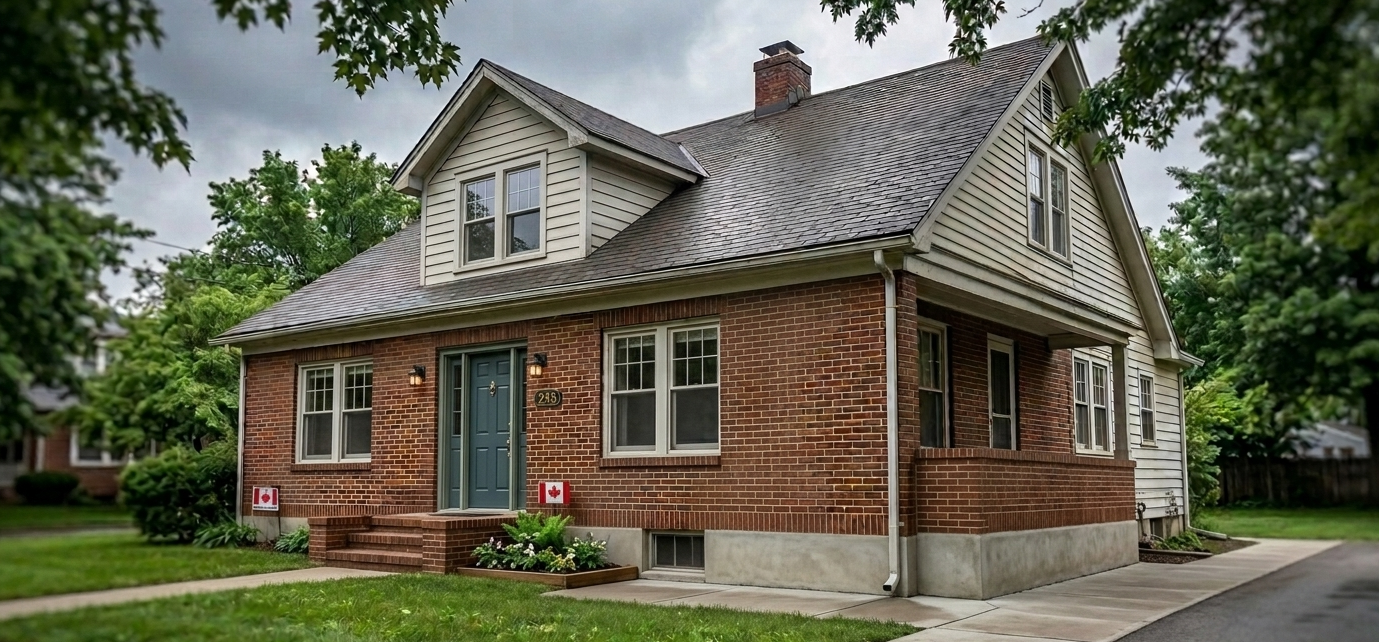
Many waterproofing problems don't become obvious until water has already entered the basement. By then, what could have been a relatively straightforward maintenance or repair issue may have developed into a much larger problem.
From believing that a basement that has never leaked is guaranteed to stay dry to assuming that waterproof paint can solve foundation leaks, there are several misconceptions worth clearing up.
Let's take a look at eight common waterproofing myths every homeowner should stop believing.
Myth #1: "My Basement Has Never Leaked, So It Never Will."
❌ Myth
If your basement has stayed dry for years, you might assume your home is permanently protected.
✅ The Reality
A dry basement today doesn't guarantee a dry basement forever.
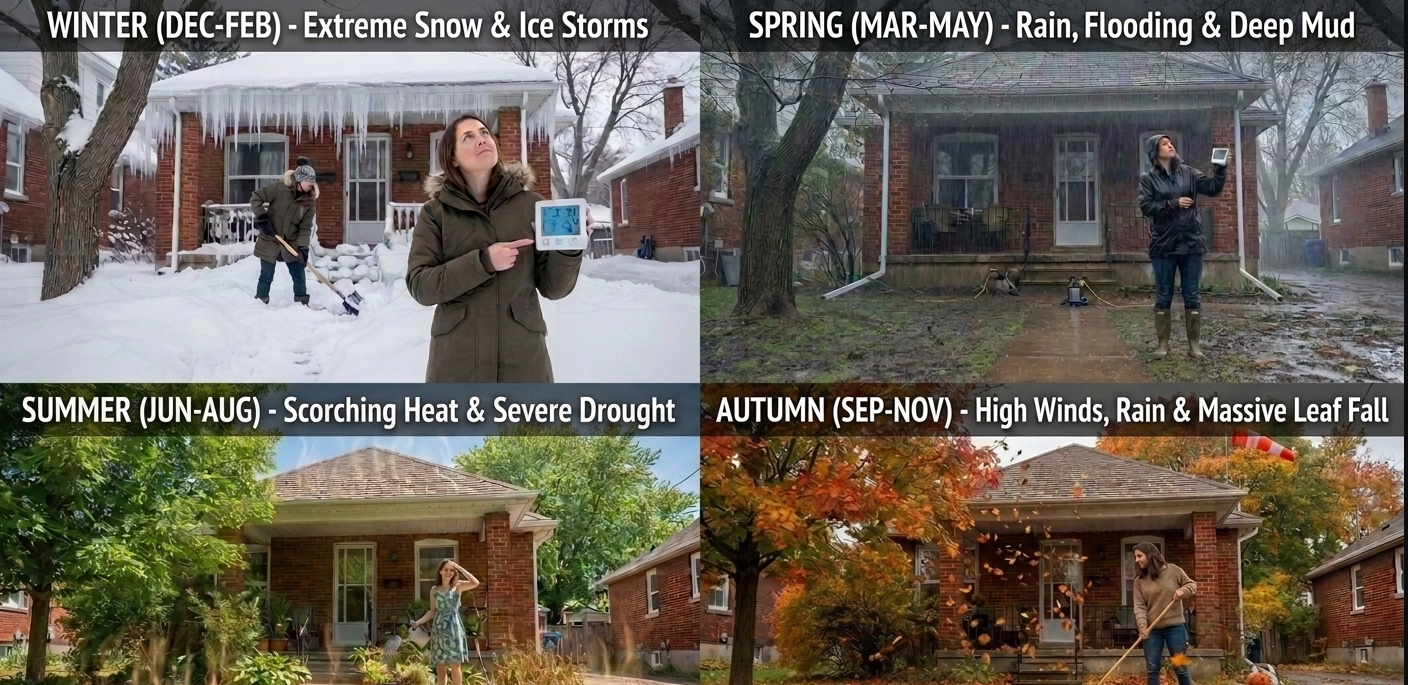
Your home is constantly exposed to changing environmental conditions, including:
- Heavy rainfall
- Snowmelt
- Freeze-thaw cycles
- Changes in groundwater levels
- Soil movement
- Aging drainage systems
A foundation that has never experienced water intrusion can still develop problems later.
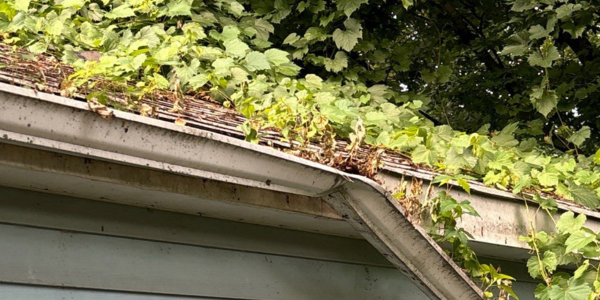
For example, a previously functioning drainage system can become blocked or deteriorate over time. Gutters and downspouts can also become clogged, directing more water toward the foundation.
The lesson: Don't wait for your first basement leak before paying attention to your home's drainage and waterproofing.
Myth #2: "Waterproof Paint Solves Basement Leaks."
❌ Myth
Applying a waterproof coating to the inside of your basement walls seems like an easy way to stop water.
✅ The Reality
Waterproof paint may help improve the appearance of a surface or provide some resistance to moisture, but it doesn't address the underlying source of groundwater.
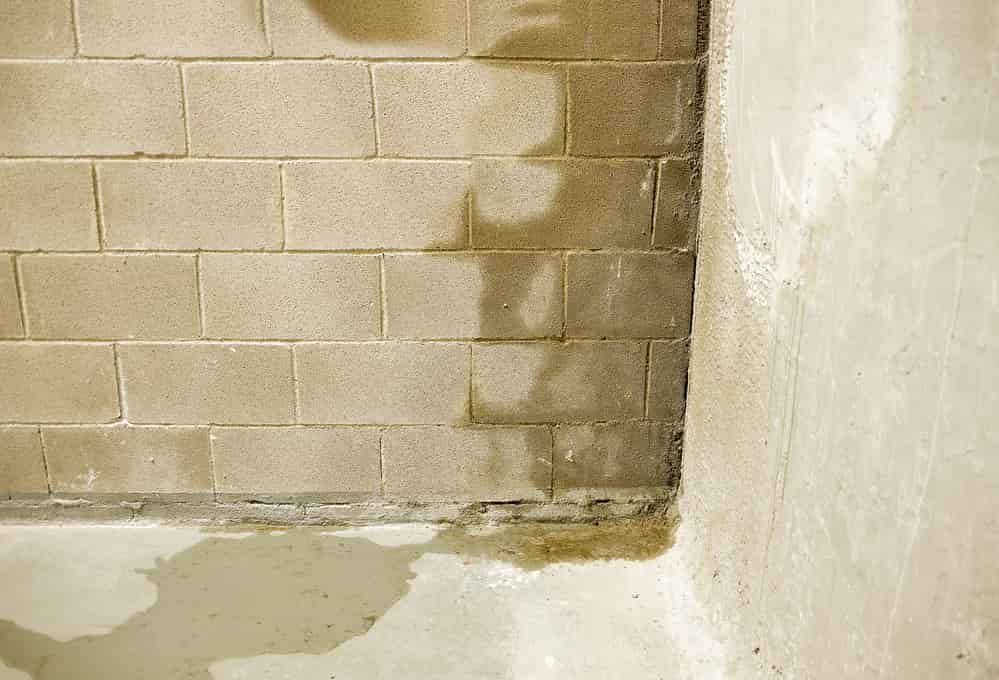
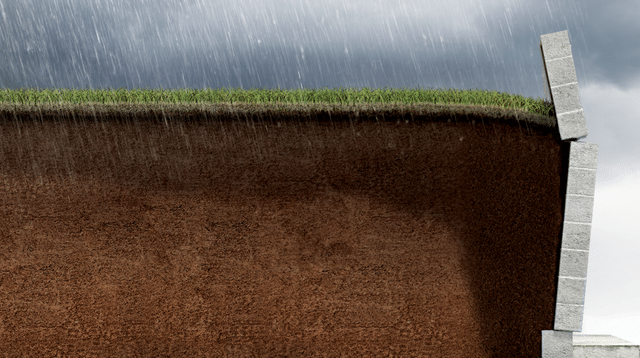
If water is being pushed against your foundation by hydrostatic pressure, simply painting the inside of the wall doesn't stop that pressure from existing.
The water may still be entering through:
- Foundation cracks
- Wall-floor joints
- Porous concrete
- Utility penetrations
- Damaged waterproofing systems
Effective waterproofing should focus on managing water and addressing the source of the problem, rather than simply covering the symptoms.
Myth #3: "A Small Foundation Crack Is Only Cosmetic."
❌ Myth
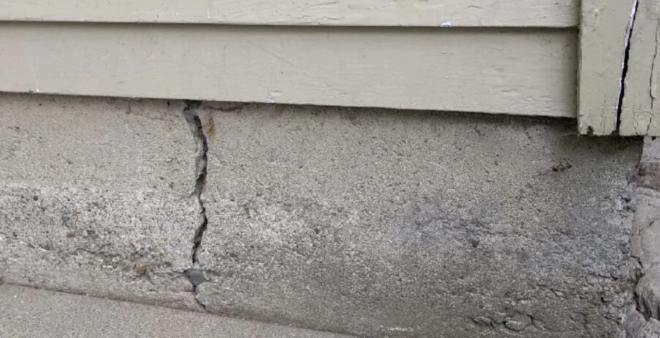
A tiny crack may look harmless, especially if there is no visible water.
✅ The Reality
Not every foundation crack is a serious structural problem—but that doesn't mean every crack should be ignored.
A crack can become an entry point for water, particularly when hydrostatic pressure increases after heavy rainfall or snowmelt.
Over time, moisture entering through a crack can contribute to:
- Damp basement conditions
- Efflorescence
- Mold and mildew
- Water damage
- Further deterioration
The important thing is to understand why the crack formed and whether it is changing.
If you're unsure about a foundation crack, having it professionally assessed is much better than discovering its significance during the next major storm.
Myth #4: "If My Sump Pump Works, I Don't Need Waterproofing."
❌ Myth
A working sump pump is often considered the ultimate protection against basement water.
✅ The Reality
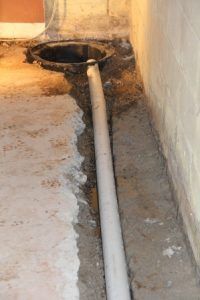
A sump pump is an important component of many drainage systems, but it isn't a substitute for proper waterproofing.
Think of your home's water management system as a team.
Your:
Gutters → Downspouts → Grading → Waterproofing → Weeping Tile → Sump System
may all play different roles in managing water.
A sump pump removes water that reaches the sump pit, but it doesn't necessarily prevent groundwater from pressing against foundation walls or entering through cracks.
A comprehensive waterproofing strategy addresses water before and as it reaches the foundation, depending on the property's specific conditions.
Myth #5: "A Little Dampness in the Basement Is Normal."
❌ Myth
Basements are underground, so a little moisture or a musty smell is simply part of owning a home.
✅ The Reality
While basement humidity and temperature can differ from the rest of the house, persistent dampness shouldn't simply be dismissed.
Moisture can contribute to:
- Mold growth
- Mildew
- Musty odors
- Damaged materials
- Efflorescence
- Poor indoor air quality
Even if there is no obvious leak, persistent moisture deserves attention.
It's important to determine whether the moisture is caused by condensation, groundwater intrusion, drainage problems, or another source. Identifying the source is the first step toward finding the right solution.
Myth #6: "New Homes Don't Leak."
❌ Myth
New construction is automatically protected from basement water problems.
✅ The Reality
Newer homes can experience water intrusion too.
A home's age is only one factor. Drainage conditions, grading, construction quality, soil conditions, foundation design, and waterproofing systems all influence how well a property manages water.
Even a relatively new home can develop problems if:
- Grading changes
- Drainage becomes obstructed
- Soil settles
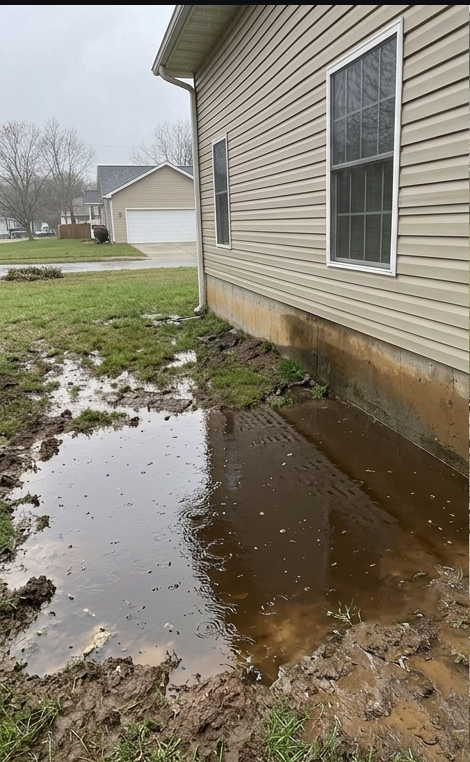
- Gutters discharge water too close to the foundation
- Foundation cracks develop
- Waterproofing components become damaged
New construction should still be monitored and maintained.
Myth #7: "Only Old Houses Need Waterproofing."
❌ Myth
Waterproofing is something homeowners should worry about when their house gets old.
✅ The Reality
Older homes may have aging waterproofing and drainage systems, but water doesn't care how old your house is.
A newer property can still experience:
- Basement leaks
- Hydrostatic pressure
- Poor drainage
- Foundation cracks
- Water pooling
- Weeping tile problems
The goal isn't to wait until your home reaches a certain age.
The goal is to identify potential water-management problems before they cause damage.
Myth #8: "Exterior Waterproofing Is Unnecessary."
❌ Myth
Some homeowners believe that sealing the inside of the basement is always enough.
✅ The Reality
In many situations, addressing the exterior of the foundation can be an important part of a long-term waterproofing strategy.
Exterior waterproofing can involve exposing the foundation wall, repairing the surface, installing a waterproof membrane, and incorporating drainage components designed to manage groundwater.
Depending on the cause of the water problem, exterior waterproofing may help:
- Prevent water from reaching the foundation wall
- Reduce moisture intrusion
- Manage groundwater
- Protect foundation walls
- Address deteriorated exterior waterproofing
- Improve long-term drainage
Every property is different, so the appropriate solution depends on the source and severity of the water problem.
So, What Should Homeowners Believe?
Instead of relying on common waterproofing myths, homeowners should focus on a few basic principles.
Keep Water Away From the Foundation
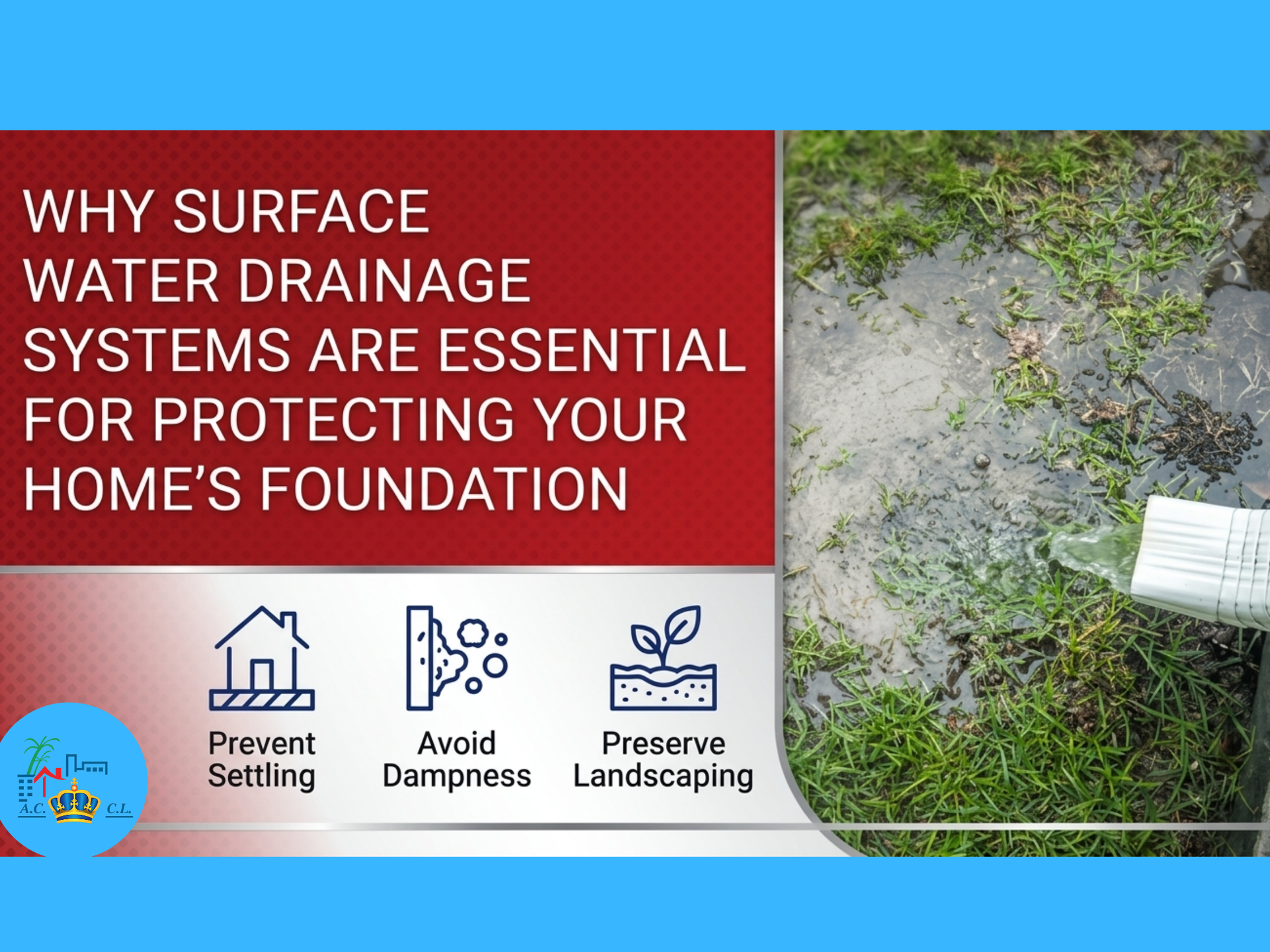
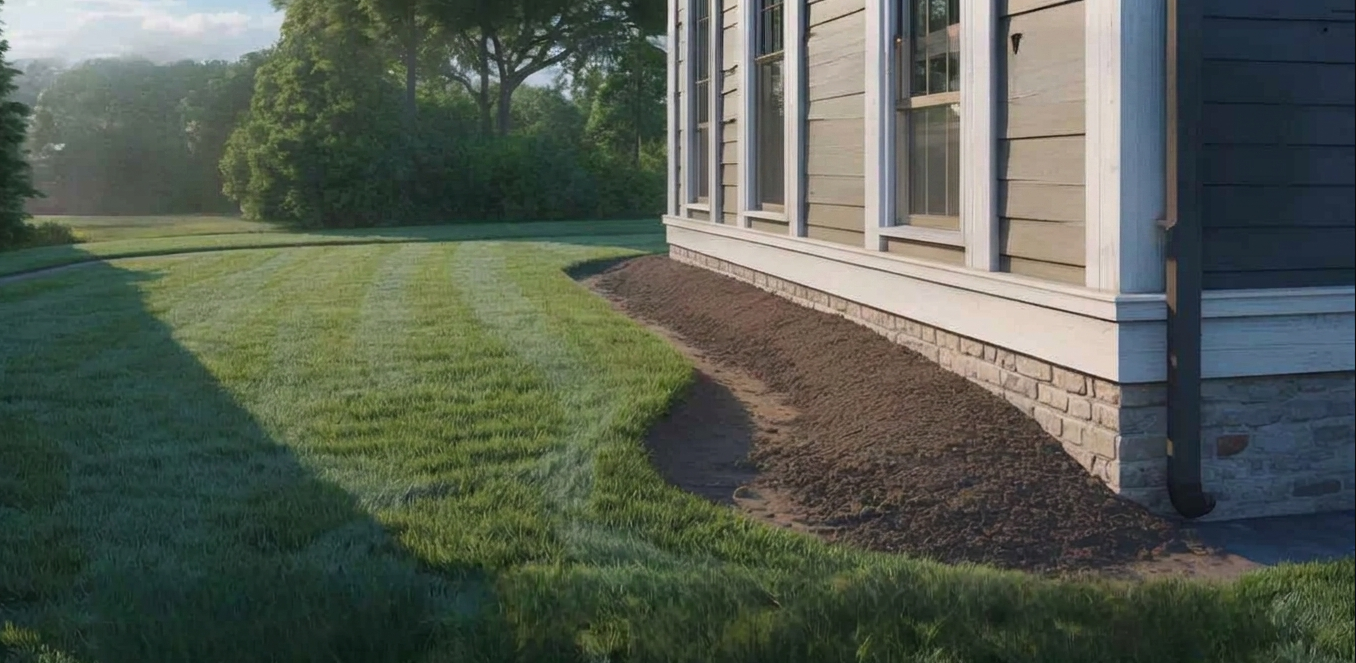
Make sure gutters, downspouts, and grading direct water away from your home.
Pay Attention to Warning Signs
Don't ignore foundation cracks, damp walls, musty odors, efflorescence, or recurring water after rainfall.
Understand Where the Water Is Coming From
A basement moisture problem can have several causes. Identifying the source is essential before choosing a repair.
Maintain Your Drainage Systems
Gutters, downspouts, weeping tile, sump systems, and grading all contribute to your home's overall water management.
Don't Wait for a Major Leak
Preventative maintenance and early repairs can help reduce the risk of extensive water damage.
Your Basement Shouldn't Be a Mystery
Waterproofing isn't simply about stopping water once it enters your basement. It's about understanding where the water is coming from, why it's getting there, and how to keep it away from your foundation.
Every home is different, which means there isn't always one universal solution.
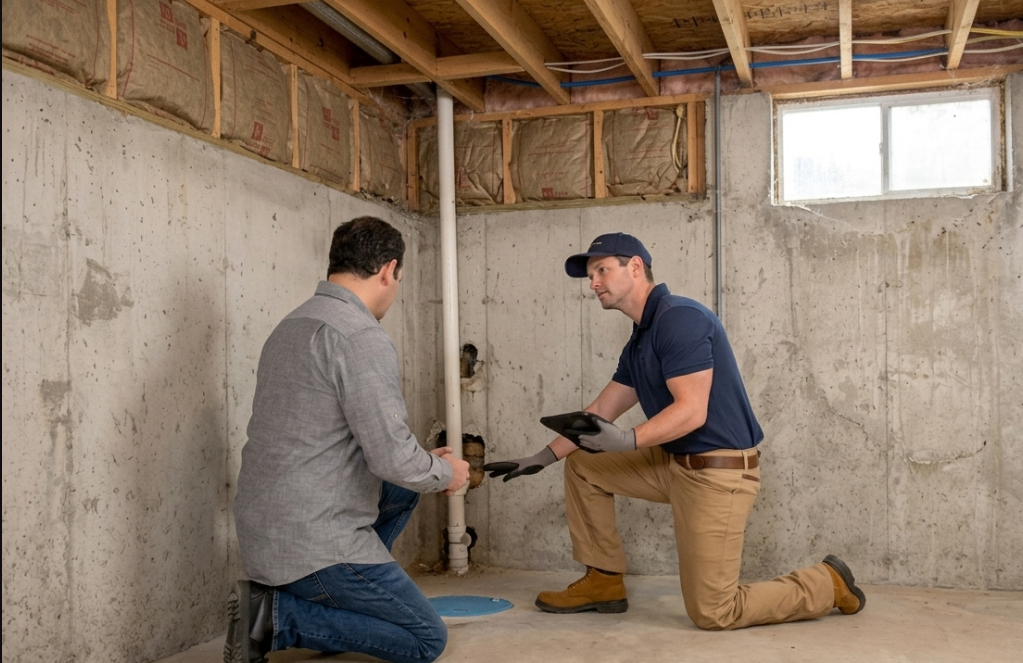
A professional assessment can help identify the underlying cause of moisture and determine whether you need foundation crack repair, drainage improvements, exterior waterproofing, weeping tile work, or another solution.
Protect Your Home with ACCL Waterproofing
At ACCL Waterproofing, we help Ontario homeowners understand and address foundation and water intrusion problems with long-term solutions.
Our services include:
✅ Foundation Crack Repair
✅ Basement Waterproofing
✅ Exterior Waterproofing
✅ Weeping Tile Installation
✅ Drainage Solutions
✅ Long-Term Foundation Protection
Don't let a waterproofing myth turn into an expensive repair.
If you've noticed moisture, leaks, cracks, or drainage problems around your home, it's worth investigating before the next major rainfall.
Contact ACCL Waterproofing
Corporate Head Office
124 Wilson Rd S
Oshawa, ON L1H 6C1
Toll Free: 1 (866) 701-8484
West: 1 (416) 759-2995
East: 1 (905) 448-5909
Email:
info@acclwaterproofing.ca
Website: www.acclwaterproofing.ca