How to Inspect Your Basement Like a Waterproofing Professional
A homeowner's guide to spotting early warning signs of moisture, drainage, and foundation problems before they become costly repairs.
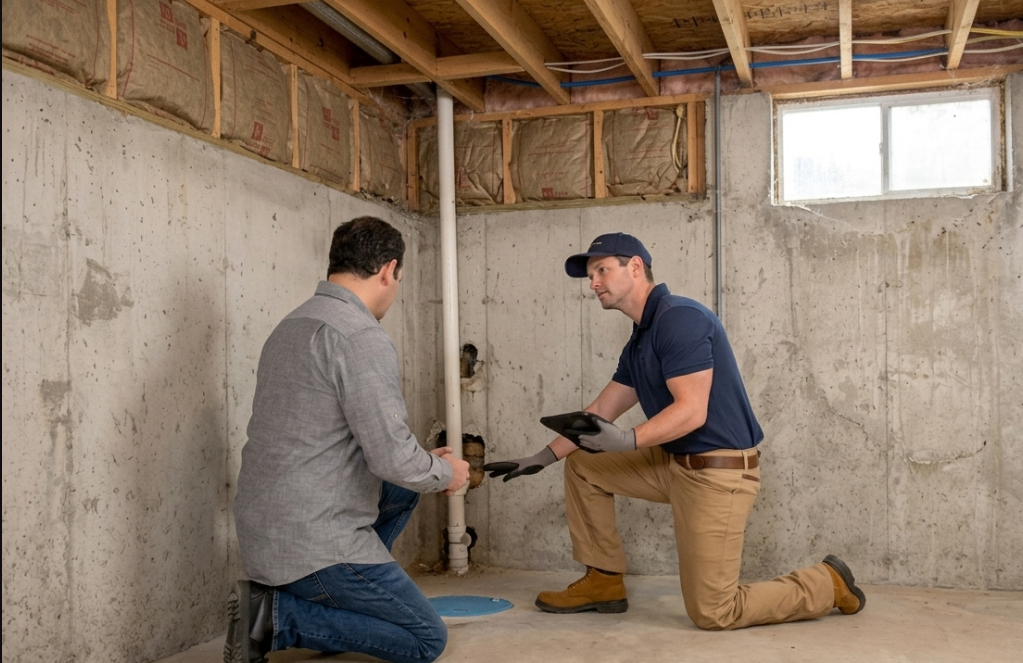
Your basement can tell you a lot about what's happening around your foundation.
Sometimes the warning signs are obvious—a puddle of water on the floor or a visible foundation crack. Other times, the signs are much more subtle. A musty smell, white powder on the wall, peeling paint, or increased humidity can all indicate that moisture may be finding its way into your home.
The good news is that homeowners don't need to be waterproofing experts to perform a basic inspection.
Taking a few minutes to walk through your basement and around the outside of your home can help you identify potential problems early.
In this guide, we'll explain what to look for and when it's time to call a professional.
Start With Your Foundation Walls
Your foundation walls are one of the first places you should inspect.
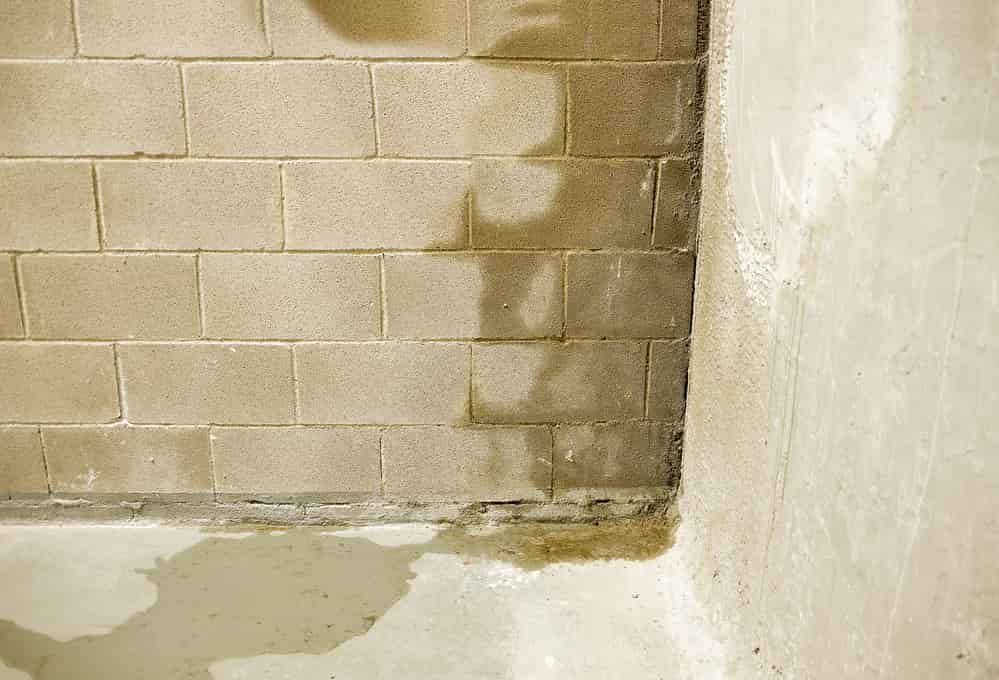
Walk around the entire basement and carefully examine the walls. Look for anything that appears different from the surrounding concrete.
Pay particular attention to:
- Cracks
- Damp areas
- Water stains
- Discoloration
- Peeling paint
- Efflorescence
- Mold or mildew
- Areas that appear darker than the surrounding wall
Don't assume a small crack is automatically harmless.
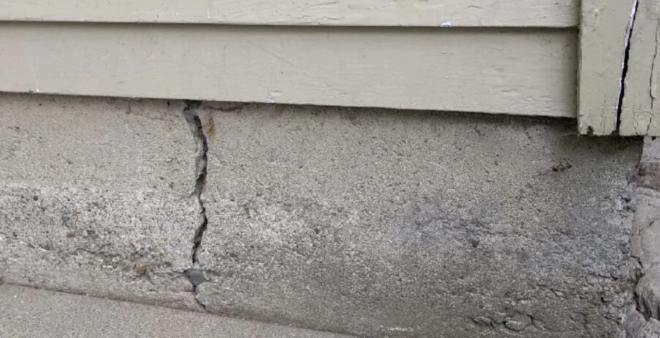
Not every foundation crack indicates a serious structural problem, but cracks can provide a pathway for water to enter, especially when hydrostatic pressure increases after heavy rainfall or snowmelt.
If you find a crack, take a photo and monitor it over time.
If it changes in size or begins allowing moisture into the basement, it should be professionally assessed.
Check the Wall-Floor Joint
One area homeowners often overlook is where the basement wall meets the floor.
This is commonly called the wall-floor joint, and it can be a potential pathway for groundwater.
Look carefully along the perimeter of your basement floor.
Watch for:
💧 Water droplets
💧 Damp concrete
💧 Dark staining
💧 Efflorescence
💧 Signs of previous water intrusion
You may not see active water all the time. Some homeowners only notice moisture after heavy rainfall or during spring snowmelt.
If water repeatedly appears in the same location, it's worth investigating the source.
Inspect Your Basement Windows
Basement windows are another area where water can enter.
Start by checking the inside of the window.
Look for:
- Water stains
- Damp drywall
- Peeling paint
- Mold
- Condensation
- Damaged caulking
Then inspect the exterior.
If you have window wells, make sure they aren't filled with leaves, soil, or other debris.
A blocked or poorly drained window well can collect water during heavy rainfall and increase the risk of water entering around the window.
Look for Efflorescence
Have you ever noticed a white, powdery substance on your basement walls?
This may be efflorescence.
Efflorescence occurs when moisture moves through concrete and carries dissolved minerals toward the surface. As the water evaporates, the minerals can remain behind as a white deposit.
Efflorescence doesn't necessarily mean your foundation has a major structural problem.
However, it can be an important clue that moisture has been moving through the concrete.
If you repeatedly see white deposits in the same area, investigate where the moisture is coming from.
Don't Ignore Foundation Cracks
Foundation cracks are one of the most important things to check during your inspection.
Look for:
Vertical Cracks
These are relatively common and can sometimes be associated with normal settlement, but they can still allow water to enter.
Horizontal Cracks
Horizontal cracks can sometimes indicate pressure from surrounding soil and should receive professional attention.
Stair-Step Cracks
These cracks are commonly seen in masonry foundations and may be associated with movement or settlement.
Expanding Cracks
If a crack appears to be getting larger, that's an important warning sign.
The key isn't simply whether a crack exists—it's understanding why it exists and whether it is changing.
Check for Mold and Mildew
Moisture problems can create ideal conditions for mold and mildew.
Look in areas that are:
- Dark
- Damp
- Poorly ventilated
- Behind stored items
- Near foundation walls
- Around windows
You may notice visible growth, but sometimes the first sign is simply a persistent musty smell.
If you repeatedly find mold or mildew in your basement, don't simply clean the surface and assume the problem is solved.
It's important to determine why the area is staying damp.
Pay Attention to Musty Smells
Your nose can sometimes detect a moisture problem before your eyes can.
A persistent musty or damp smell may indicate elevated moisture levels, even if you don't see standing water.
Walk through your basement and pay attention to areas where the smell is strongest.
A musty odor may be associated with:
- Condensation
- High humidity
- Water intrusion
- Damp building materials
- Mold or mildew
Finding the source is much more important than simply masking the smell with air fresheners.
Check Your Basement Humidity
Basements naturally tend to be cooler than the rest of the house, which can make them more susceptible to moisture and condensation.
A simple digital hygrometer can help you monitor relative humidity.
Consistently elevated humidity can contribute to condensation, mold, and musty odors.
If your basement feels noticeably damp during the summer, don't automatically assume you have a foundation leak.
The moisture could be coming from condensation instead.
This is why identifying the source of moisture is so important before choosing a waterproofing solution.
Don't Forget to Inspect Outside
A basement inspection shouldn't stop at the basement door.
Many water problems actually begin outside your home.
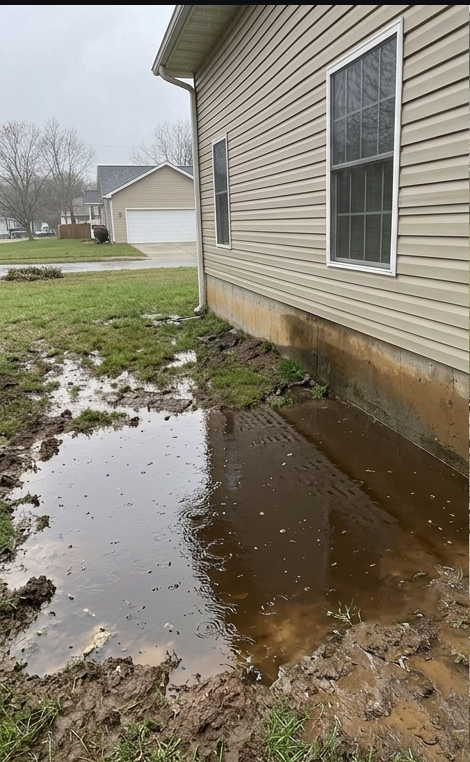
Walk around your property after rainfall and look for areas where water collects.
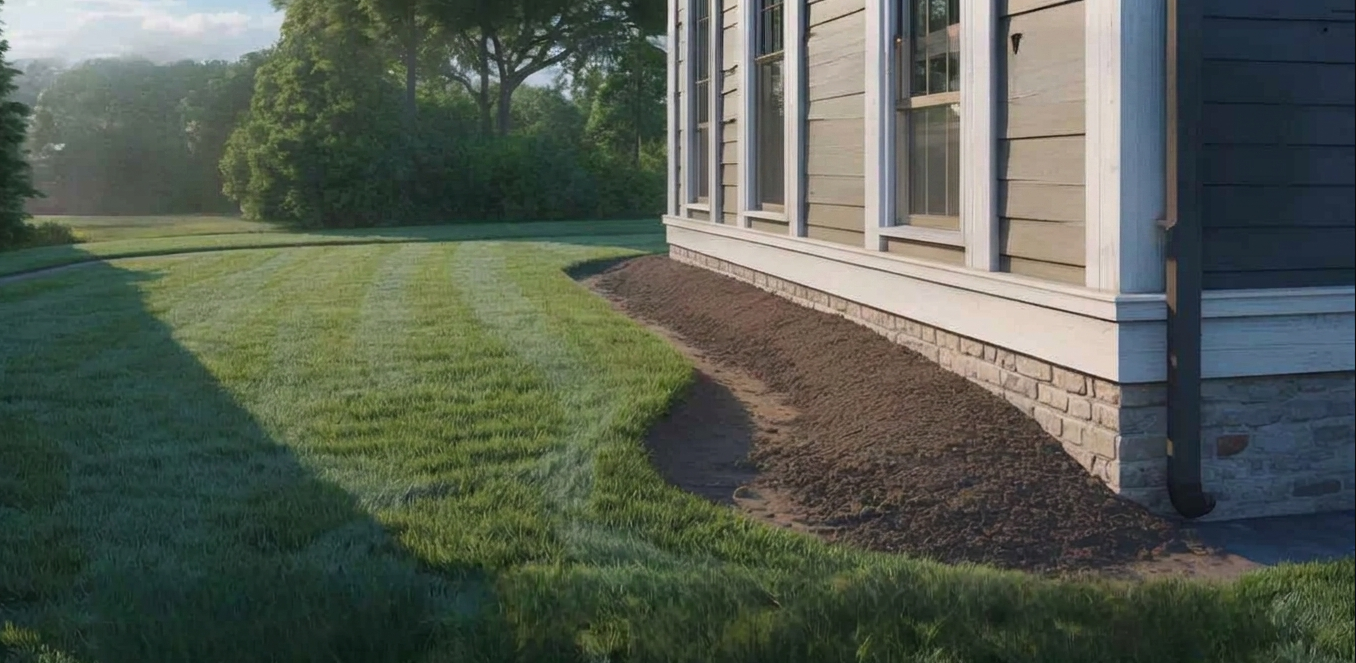
Check Your Grading
Does the ground slope away from your foundation?
If the ground slopes toward your home, rainwater may collect against the foundation.
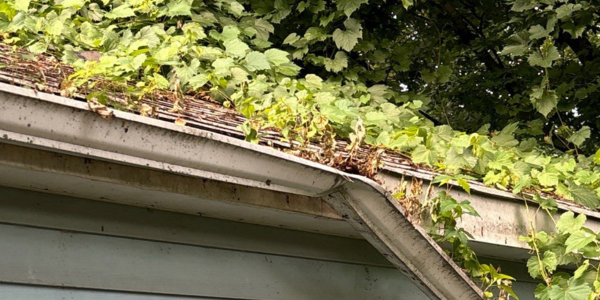
Inspect Your Gutters
Make sure gutters are free of leaves and debris.
Check Your Downspouts
Downspouts should direct water away from your foundation.
Look for Standing Water
Persistent puddles near the foundation can indicate drainage problems.
Check for Soil Erosion
Erosion may indicate that water is flowing toward or around your foundation in an undesirable way.
Your Basement Inspection Checklist
Save this checklist for your next home inspection:
Inside
- Foundation cracks
- Damp foundation walls
- Water stains
- Wall-floor joint moisture
- Efflorescence
- Mold or mildew
- Musty odors
- High humidity
- Basement window moisture
- Peeling paint or damaged materials
Outside
- Proper grading
- Clean gutters
- Clear downspouts
- Downspouts directing water away
- No standing water near foundation
- No significant soil erosion
- Clear window wells
- No obvious drainage problems
Taking pictures of anything unusual can also help you track changes over time.
When Should You Call a Professional?
A homeowner inspection is useful for identifying warning signs, but it isn't a substitute for a professional assessment when a problem is suspected.
Consider contacting a waterproofing professional if you notice:
🚨 Water entering your basement
🚨 Recurring leaks after rainfall
🚨 Foundation cracks that are changing
🚨 Horizontal or stair-step cracking
🚨 Persistent dampness
🚨 Significant efflorescence
🚨 Mold associated with ongoing moisture
🚨 Standing water around the foundation
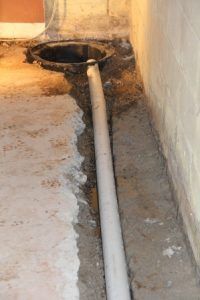
🚨 A suspected failing drainage or weeping tile system
Most importantly, don't wait until a small warning sign becomes a major water problem.
A professional can investigate the source of the moisture and determine whether the appropriate solution involves foundation crack repair, drainage improvements, exterior waterproofing, weeping tile work, or another approach.
Protect Your Foundation with ACCL Waterproofing
At ACCL Waterproofing, we help homeowners identify the causes of basement moisture and protect their homes with long-term waterproofing and drainage solutions.
Our services include:
✅ Foundation Crack Repair
✅ Basement Waterproofing
✅ Exterior Waterproofing
✅ Weeping Tile Installation
✅ Drainage Solutions
✅ Long-Term Foundation Protection
Your basement doesn't have to wait until it floods to tell you there's a problem.
The earlier you recognize the warning signs, the more options you may have to protect your home.
Contact ACCL Waterproofing
Corporate Head Office
124 Wilson Rd S
Oshawa, ON L1H 6C1
Email: info@acclwaterproofing.ca
West: 1 (416) 759-2995
East: 1 (905) 448-5909
Toll Free: 1 (866) 701-8484
Website: www.acclwaterproofing.ca