Signs Your Weeping Tile System May Be Failing
Recognizing drainage problems before they lead to water intrusion, foundation damage, and expensive repairs.
Most homeowners never think about their weeping tile system—until water starts finding its way into the basement.
A properly functioning weeping tile system is one of the most important components of your home's waterproofing system. Its job is to collect groundwater around the foundation and safely redirect it away from your home. When it works properly, you rarely notice it. However, when it begins to fail, the warning signs can quickly become impossible to ignore.
Understanding how your weeping tile system works and recognizing the early signs of failure can help prevent costly water damage and protect your foundation for years to come.
What Is a Weeping Tile System?
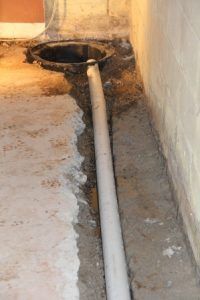
Despite its name, modern weeping tile is not actually made of tile. It consists of perforated drainage pipes installed around the perimeter of a home's foundation.
These pipes collect groundwater from the surrounding soil and direct it away from the foundation, reducing hydrostatic pressure and helping prevent water from entering the basement.
Most weeping tile systems work together with:
- Exterior waterproofing membranes
- Drainage boards
- Sump pumps
- Proper grading and drainage systems
Together, these components create a complete foundation protection system.
Why Is a Weeping Tile System So Important?
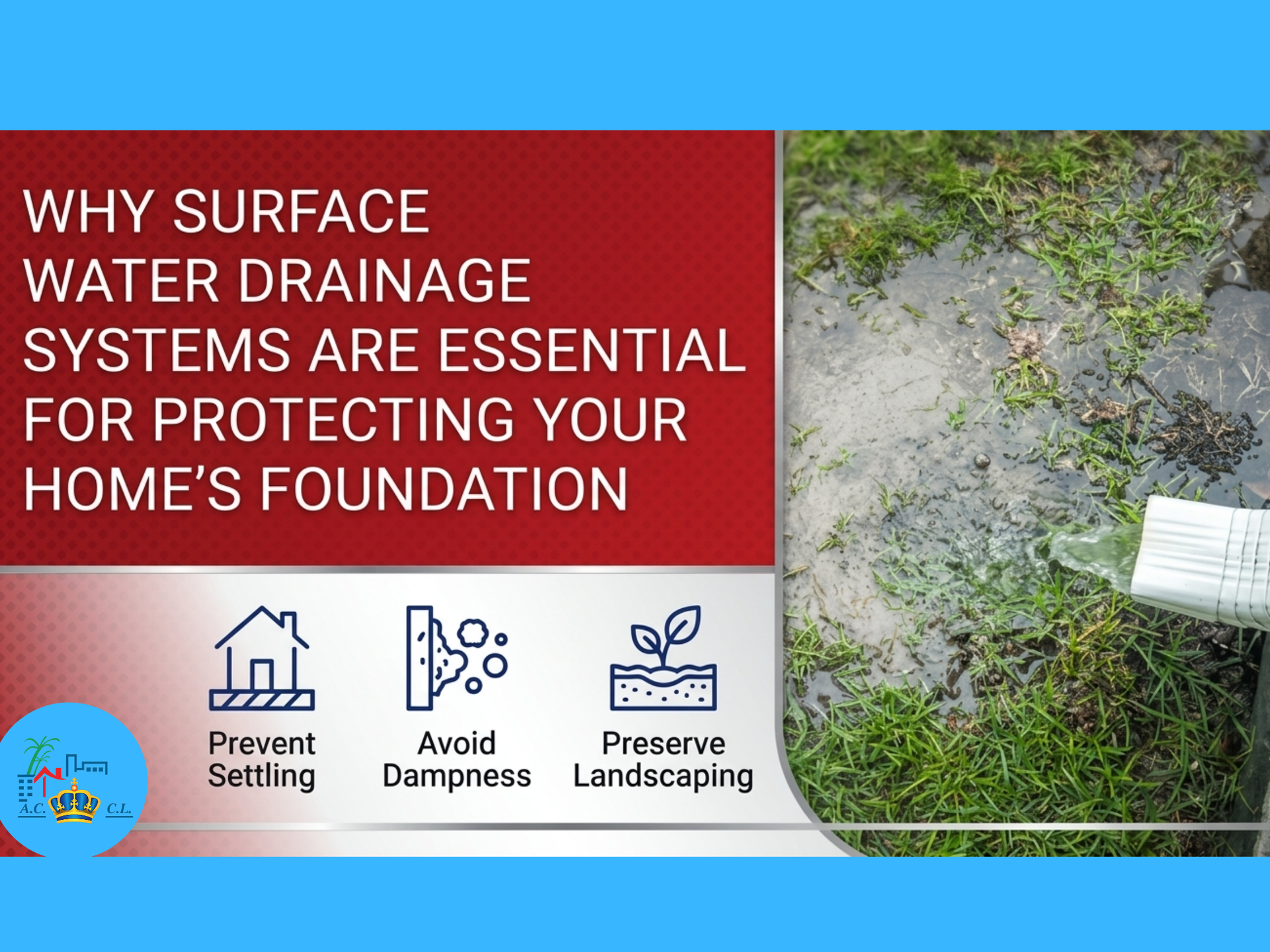
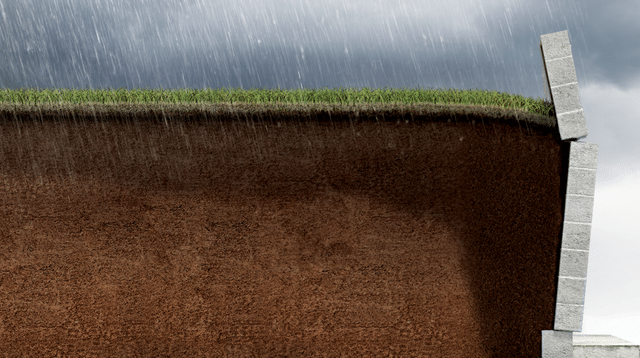
Every time it rains, water enters the soil surrounding your home. Without proper drainage, this water can accumulate around the foundation and create pressure against basement walls.
Over time, excessive groundwater pressure can lead to:
- Foundation cracks
- Basement leaks
- Water seepage
- Mold growth
- Structural deterioration
Your weeping tile system serves as the first line of defense against these problems.
Warning Sign #1: Water Appears in the Basement After Rainfall
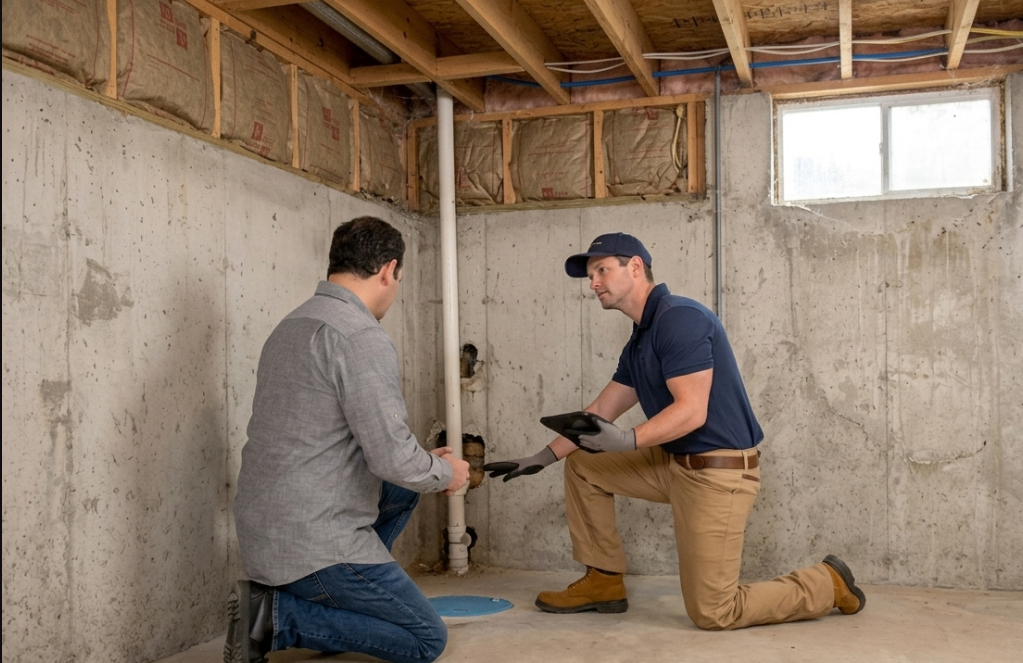
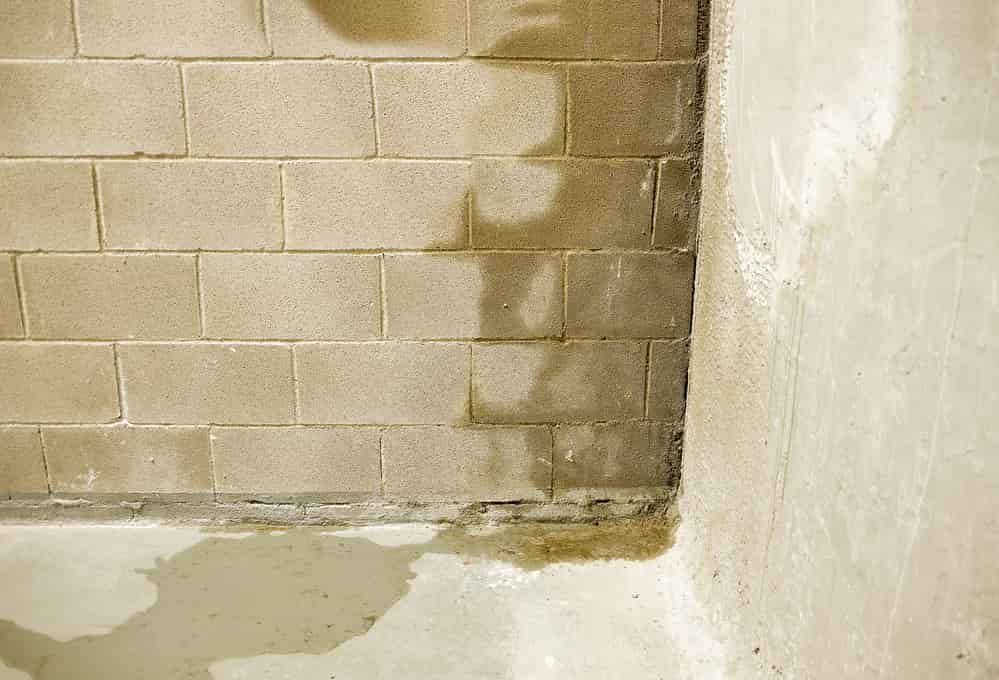
One of the most common indicators of a failing drainage system is water entering the basement shortly after heavy rain.
If you notice:
✅ Wet walls
✅ Damp corners
✅ Water on basement floors
✅ Moisture near wall-floor joints
Your weeping tile system may no longer be draining water effectively.
Warning Sign #2: Persistent Musty Odors
Basements should not smell damp or musty.
When groundwater is not being properly redirected away from the foundation, excess moisture can build up inside the basement.
This often creates:
- Musty smells
- High humidity
- Mold-friendly conditions
Many homeowners notice the smell before they see any visible signs of water.
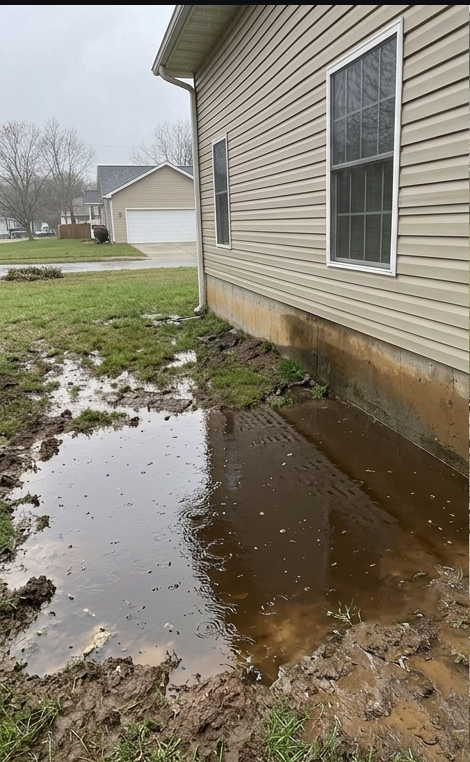
Warning Sign #3: Water Pooling Near the Foundation
Take a walk around your home after a rainstorm.
If you notice standing water near the foundation, it may indicate:
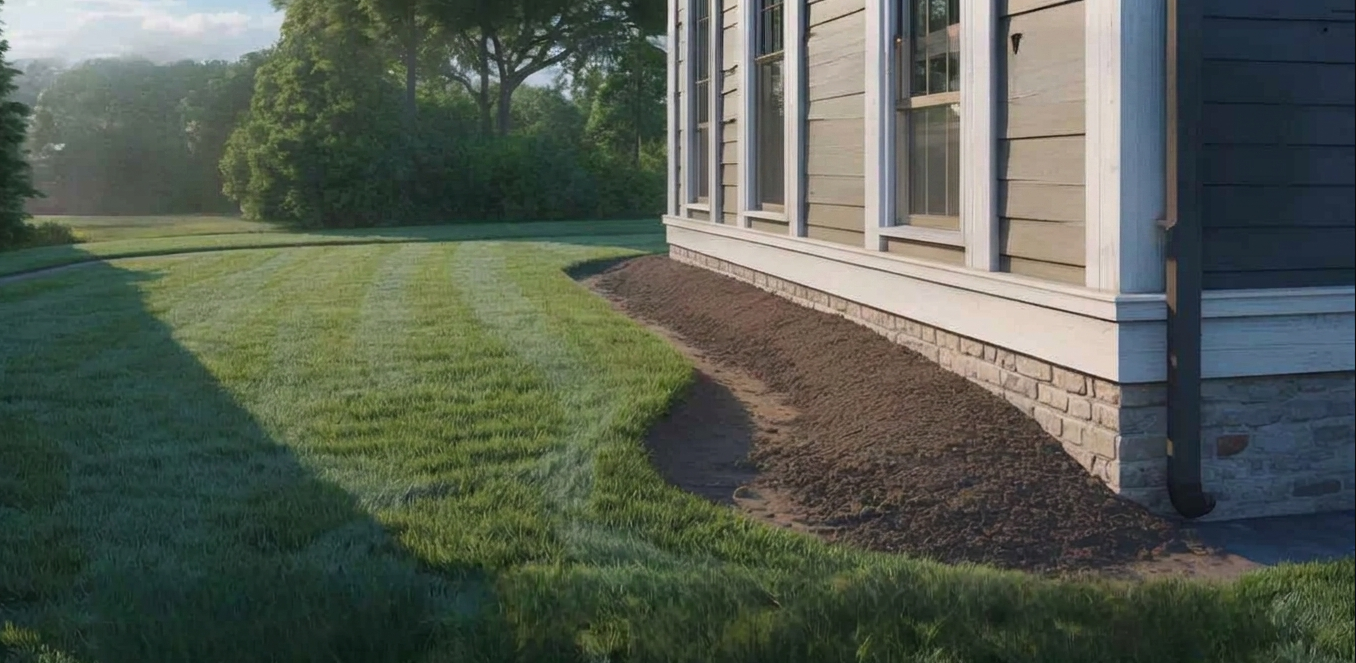
- Poor grading
- Blocked drainage systems
- Inadequate water management
Persistent water accumulation places additional stress on your weeping tile system and foundation walls.
Warning Sign #4: Foundation Cracks
Hydrostatic pressure increases when groundwater cannot drain properly.
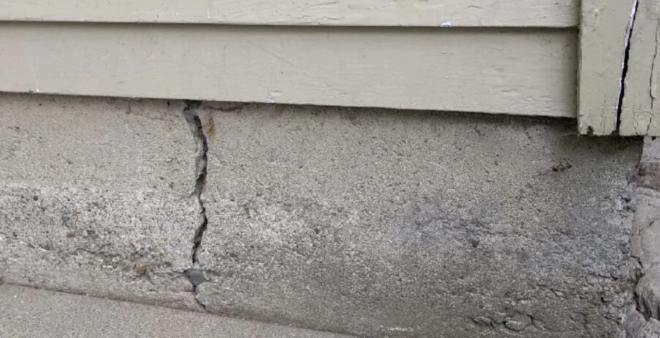
As pressure builds around the foundation, cracks may begin to develop.
Watch for:
- Vertical cracks
- Horizontal cracks
- Stair-step cracks
- Expanding cracks
These openings often become pathways for water intrusion.
Warning Sign #5: White Mineral Deposits on Basement Walls
A white powdery substance on basement walls is known as efflorescence.
Efflorescence forms when water passes through concrete and leaves behind mineral deposits.
While it may seem harmless, it often indicates ongoing moisture movement through the foundation.
Warning Sign #6: Sump Pump Running Constantly
If your home has a sump pump, pay attention to its activity.
A sump pump that runs excessively may indicate:
- Excess groundwater around the foundation
- Drainage issues
- A partially blocked weeping tile system
An inspection can help determine whether the drainage system is functioning correctly.
What Causes Weeping Tile Systems to Fail?
Several factors can contribute to drainage system problems over time:
Sediment Buildup
Soil particles can gradually accumulate inside drainage pipes, restricting water flow.
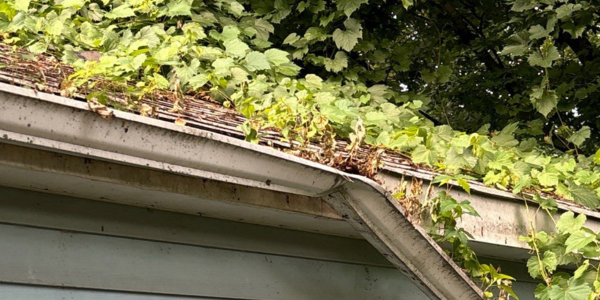
Tree Root Intrusion
Roots naturally seek moisture and can enter drainage systems through small openings.
Aging Infrastructure
Older weeping tile systems may deteriorate or become less effective with age.
Improper Installation
Poor installation practices can reduce drainage efficiency and lead to premature failure.
Repair or Replace?
Not every drainage issue requires a complete replacement.
A professional inspection can determine whether:
- Cleaning is sufficient
- Localized repairs are needed
- Sections of pipe require replacement
- A full system upgrade is recommended
The right solution depends on the age and condition of the existing system.
Protect Your Home Before Problems Escalate
The longer a failing weeping tile system goes unaddressed, the greater the risk of water damage, mold growth, and foundation deterioration.
Regular inspections and prompt repairs can help protect your home from costly waterproofing issues in the future.
If you've noticed moisture, basement leaks, or signs of drainage problems, now is the time to act.
Trust ACCL Waterproofing for Professional Drainage Solutions
At ACCL Waterproofing, we specialize in diagnosing and resolving foundation drainage issues throughout Ontario.
Our services include:
✅ Weeping Tile Installation
✅ Weeping Tile Replacement
✅ Exterior Waterproofing
✅ Foundation Crack Repair
✅ Drainage Solutions
✅ Basement Waterproofing
Our experienced team can assess your drainage system and recommend the most effective solution to keep your basement dry and your foundation protected.
Contact ACCL Waterproofing
Corporate Head Office
124 Wilson Rd S
Oshawa, ON L1H 6C1
📞 West: 1 (416) 759-2995
📞 East: 1 (905) 448-5909
📞 Toll Free: 1 (866) 701-8484