The Hidden Costs of Ignoring a Small Foundation Crack
Why a minor crack today can become a major foundation and waterproofing problem tomorrow.
A small foundation crack may seem harmless, but it can lead to water intrusion, mold growth, structural damage, and costly repairs. Learn why early intervention matters.
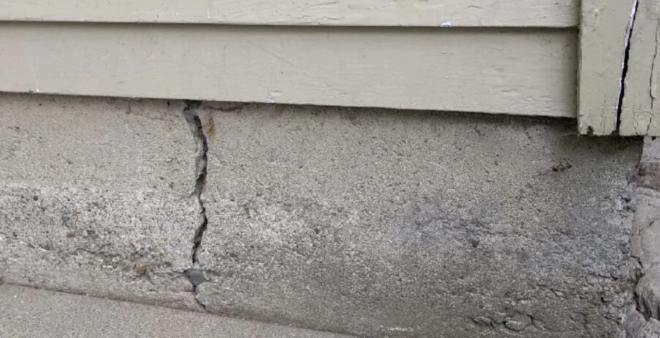
Many homeowners notice a small crack in their foundation and assume it's nothing to worry about. After all, the crack appears minor, there isn't any visible water coming through, and everything seems fine.
Unfortunately, foundation cracks rarely improve on their own. What starts as a small cosmetic issue can gradually develop into a pathway for water intrusion, moisture problems, and structural deterioration. Ignoring a foundation crack today can often lead to much larger and more expensive repairs in the future.
Understanding the risks associated with foundation cracks can help homeowners take proactive steps to protect their property and avoid unnecessary costs.
Why Do Foundation Cracks Occur?
Foundations are constantly subjected to pressure from the surrounding soil, groundwater, and seasonal temperature changes.
Over time, several factors can contribute to crack formation:
Natural Settlement
As a home settles, small movements in the foundation can create stress that leads to cracking.
Hydrostatic Pressure
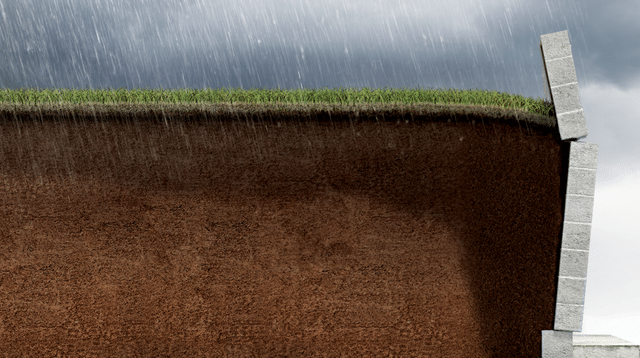
After heavy rainfall or snowmelt, groundwater pressure builds around the foundation and pushes against basement walls.
Freeze-Thaw Cycles
Ontario's climate can cause soil expansion and contraction throughout the year, placing additional stress on foundation walls.
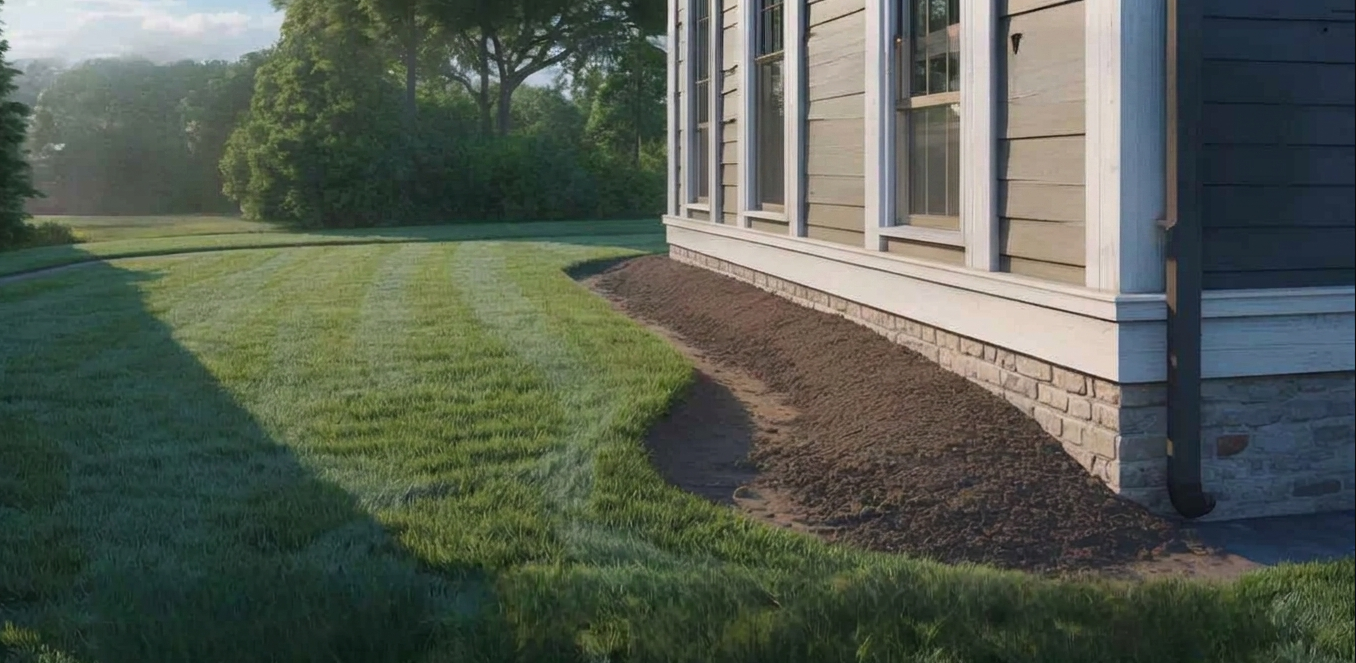
Poor Drainage
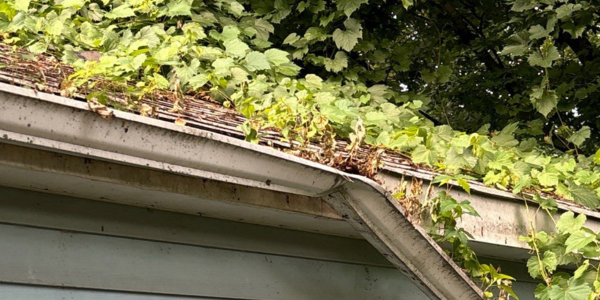
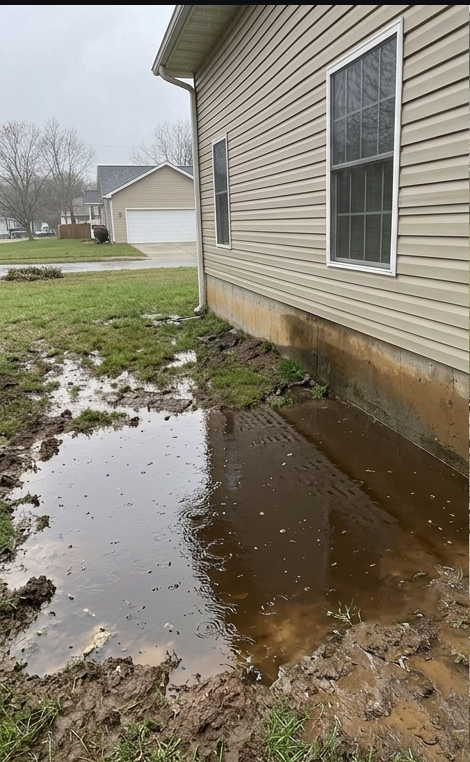
Improper grading, clogged gutters, or failing weeping tile systems can increase moisture around the foundation and contribute to cracking.
While some cracks may initially appear minor, they can quickly become entry points for water and moisture.
Water Only Needs a Small Opening
One of the biggest misconceptions homeowners have is that water can only enter through large cracks.
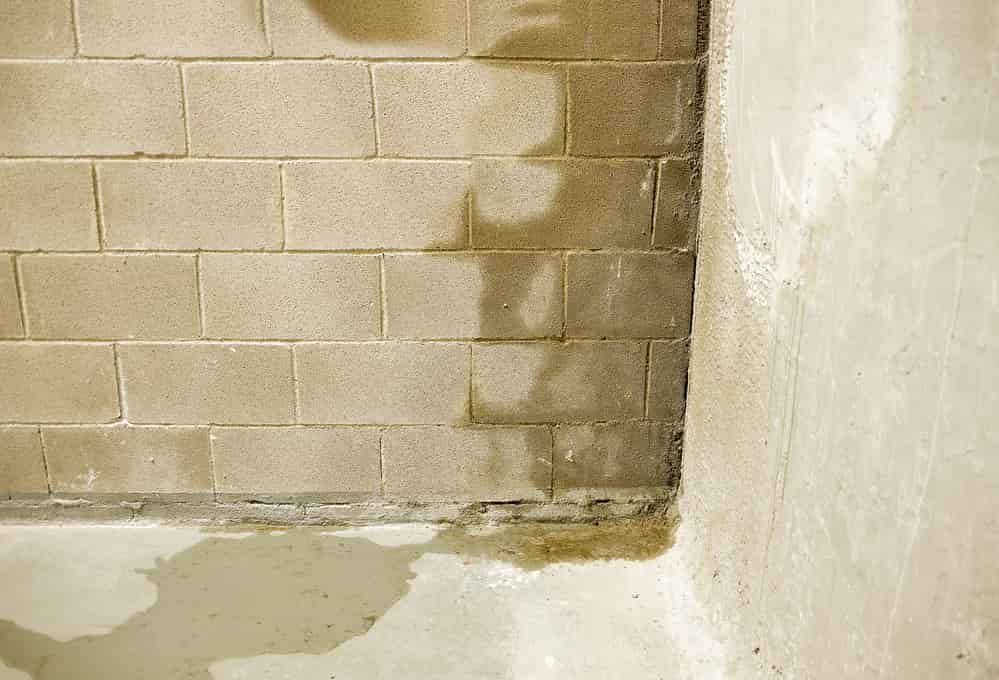
In reality, even hairline cracks can allow moisture to seep into a basement when hydrostatic pressure is present.
As groundwater builds around the foundation, it continuously seeks the path of least resistance. A small crack can become the perfect route for water intrusion.
Over time, this can lead to:
- Wet basement walls
- Water stains
- Damp flooring
- Increased humidity
- Musty odors
Many basement leak problems begin with what once appeared to be an insignificant crack.
The Risk of Mold and Mildew
Moisture entering through foundation cracks creates an environment where mold and mildew can thrive.
Once mold begins to develop, it can spread to:
- Drywall
- Wood framing
- Insulation
- Flooring materials
- Stored belongings
Mold growth not only damages materials but can also negatively impact indoor air quality throughout the home.
Many homeowners are surprised to learn that air from the basement often circulates throughout the entire house.
Structural Damage Can Become More Severe
Foundation cracks can worsen over time.
As water repeatedly enters the crack, seasonal freeze-thaw cycles and ongoing soil pressure may cause the opening to expand.
A crack that was once a few millimeters wide can eventually become a larger structural concern requiring more extensive repairs.
Signs that a crack may be worsening include:
✅ Increased crack width
✅ Water seepage after rainstorms
✅ Horizontal cracking
✅ Stair-step cracking in masonry walls
✅ Bowing or shifting walls
These symptoms should be evaluated by a professional as soon as possible.
The Financial Cost of Waiting
Many homeowners postpone foundation crack repairs because the problem doesn't seem urgent.
However, delaying repairs can result in significantly higher costs.
Ignoring a crack can lead to:
- Interior water damage
- Mold remediation
- Damaged flooring and drywall
- Foundation stabilization work
- Reduced property value
- Basement flooding
A relatively simple repair today may prevent thousands of dollars in future restoration costs.
How Professional Crack Repair Helps
Modern foundation crack repair methods are designed to stop water intrusion and restore the integrity of the foundation.
Depending on the type and location of the crack, solutions may include:
Crack Injection Repair
Specialized materials are injected into the crack to create a permanent seal against water penetration.
Exterior Waterproofing
Excavation and waterproof membrane installation help prevent groundwater from reaching the foundation wall.
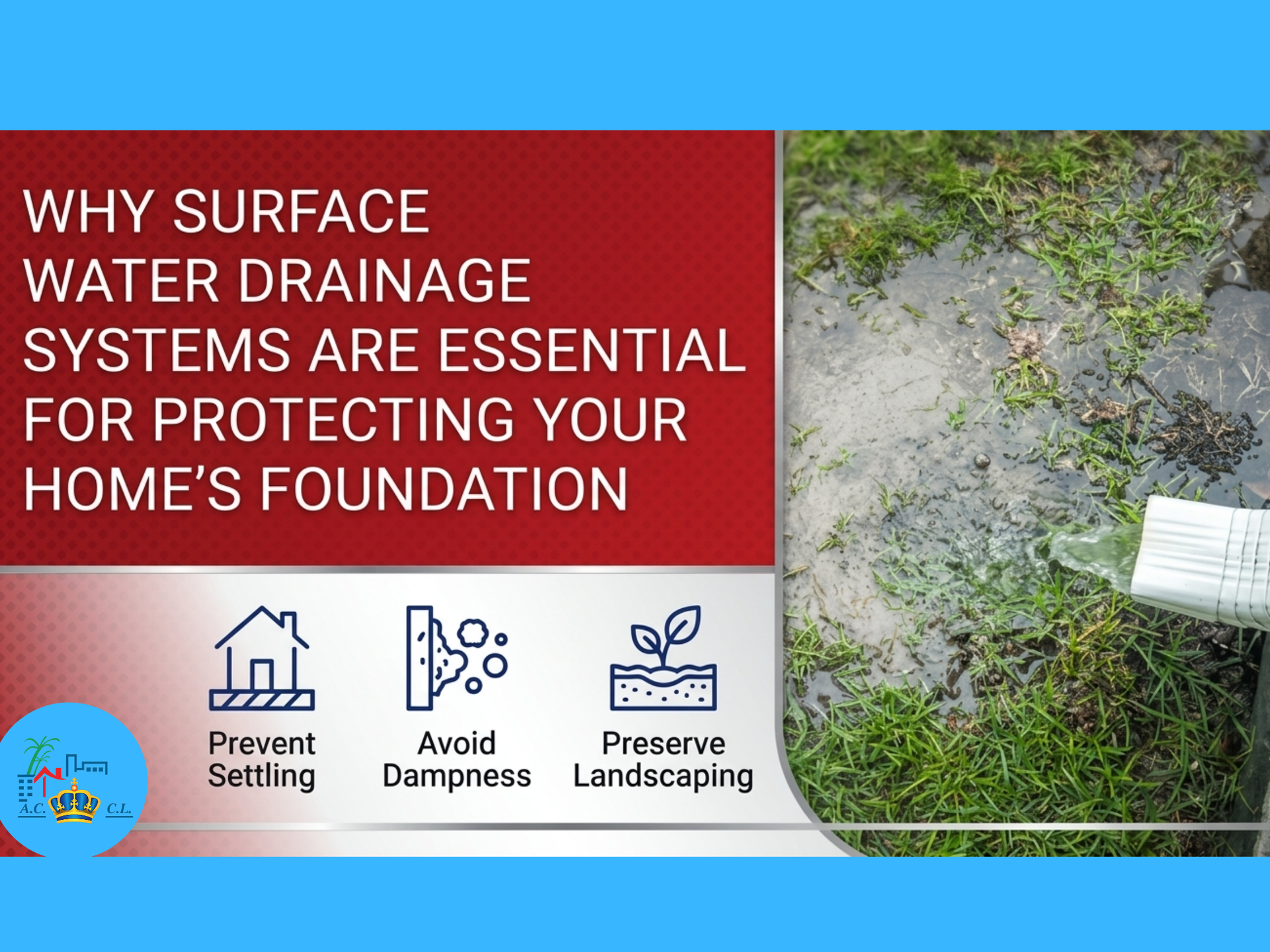
Drainage Improvements
Addressing grading issues and drainage systems can reduce hydrostatic pressure around the home.
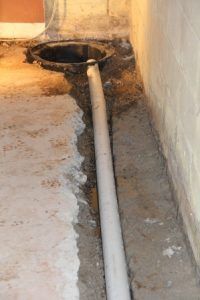
Weeping Tile Upgrades
Proper drainage helps prevent future water accumulation and foundation stress.
Warning Signs You Shouldn't Ignore
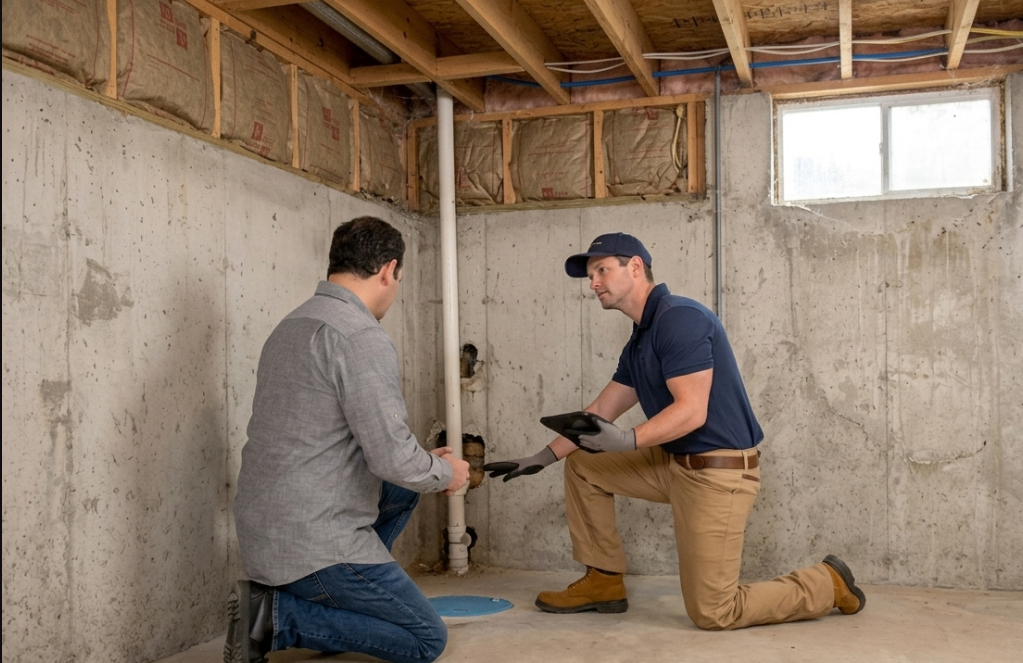
Contact a waterproofing professional if you notice:
- Foundation cracks
- Water seepage
- Damp basement walls
- White mineral deposits (efflorescence)
- Musty odors
- Mold growth
- Pooling water near the foundation
The earlier these issues are addressed, the easier and more cost-effective they are to resolve.
Protect Your Foundation with ACCL Waterproofing
At ACCL Waterproofing, we understand that every foundation crack tells a story. Our experienced team can assess the cause of the problem and recommend long-term solutions designed to protect your home from water intrusion and structural damage.
Our services include:
✅ Foundation Crack Repair
✅ Basement Waterproofing
✅ Exterior Waterproofing
✅ Weeping Tile Installation
✅ Drainage Solutions
Don't wait until a small crack becomes a major repair project. Taking action today can help protect your foundation, your basement, and your investment for years to come.
Contact ACCL Waterproofing
Corporate Head Office
124 Wilson Rd S
Oshawa, ON L1H 6C1
📞 West: 1 (416) 759-2995
📞 East: 1 (905) 448-5909
📞 Toll Free: 1 (866) 701-8484