SUMP PUMP DO’S AND DON’TS
SUMP PUMP DO’S AND DON’TS
DO’S
Do Keep the Sump Pit Clean:
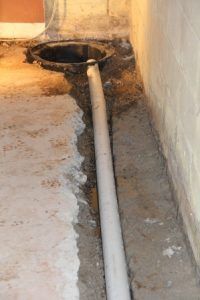
Regularly check and clean the sump pit to remove debris, dirt, and any obstructions that could block the pump or float switch. This helps maintain optimal performance and prevents clogging.
Do Install a Backup Power Source:
Sump pumps rely on electricity, so installing a battery backup or a generator is crucial to keep the pump running during power outages. This prevents basement flooding during storms when power loss is common.
Do Ensure Proper Discharge Location:
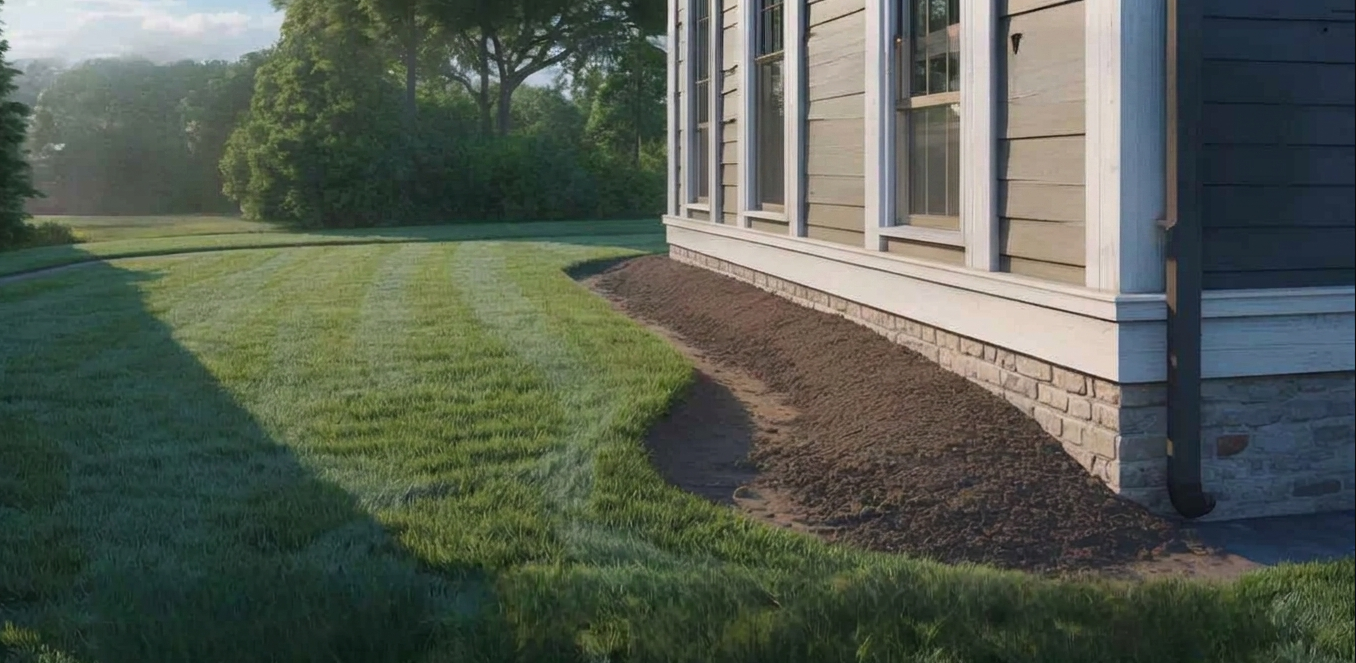
Make sure the sump pump discharges water at a safe distance from your home’s foundation. The discharge point should be far enough away to prevent water from seeping back into the basement.
Do Schedule Annual Professional Inspections:
Have a professional inspect your sump pump annually to ensure all components are in good working order and to address any potential issues before they become major problems.
Don’ts:
Don’t Ignore Strange Noises:
If your sump pump starts making unusual noises, such as grinding, rattling, or excessive vibrations, it could indicate a problem. Don’t ignore these sounds; investigate and fix the issue to prevent pump failure.
Don’t Let the Sump Pump Run Continuously:
A sump pump running constantly may indicate a problem with the float switch or a high water table issue. Continuous running can burn out the motor and shorten the pump’s lifespan. Address the underlying issue promptly.
Don’t Use Extension Cords:
Avoid using extension cords to power your sump pump. Extension cords can be a fire hazard and may not provide a reliable power supply. Always plug the pump directly into a properly grounded outlet.
Don’t Overlook the Check Valve:
Ensure a check valve is installed on the discharge line to prevent water from flowing back into the sump pit after the pump turns off. Without a check valve, water can return and cause the pump to cycle more frequently, leading to wear and tear.
Don’t Neglect the Cover:
Keep the sump pit covered to prevent debris, children, or pets from falling in. A proper cover helps keep the pit clean and reduces the risk of damage or accidents. The sump p
The post SUMP PUMP DO’S AND DON’TS appeared first on ACCL Waterproofing.