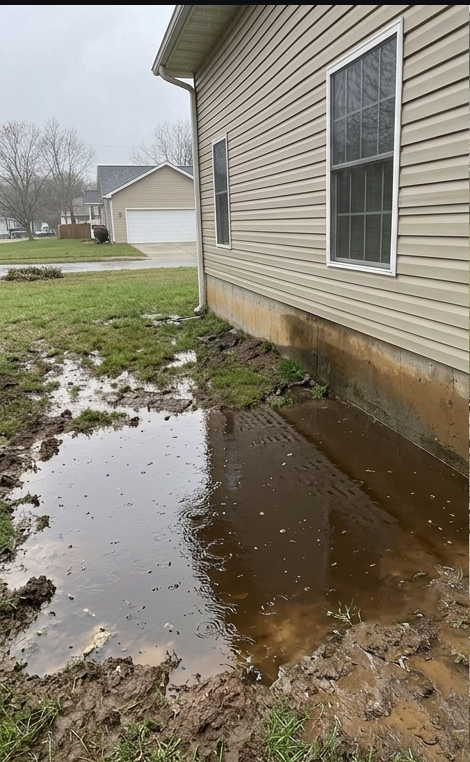
Why Do Basement Leaks Often Appear After Heavy Rainfall?
Understanding how heavy rain increases water pressure around your home and reveals waterproofing problems before they become costly repairs.
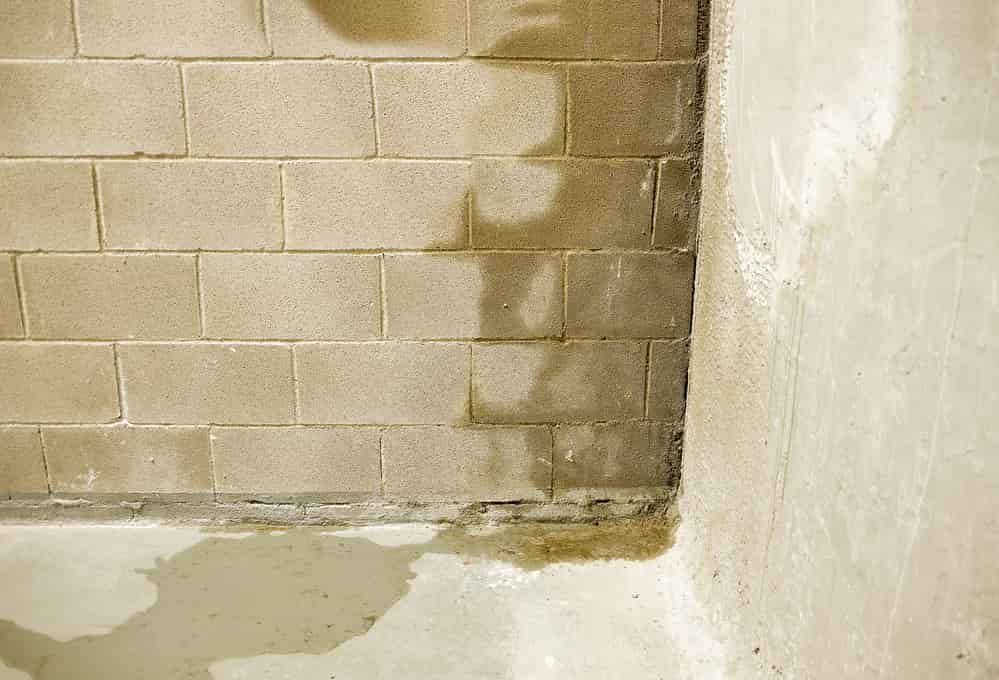
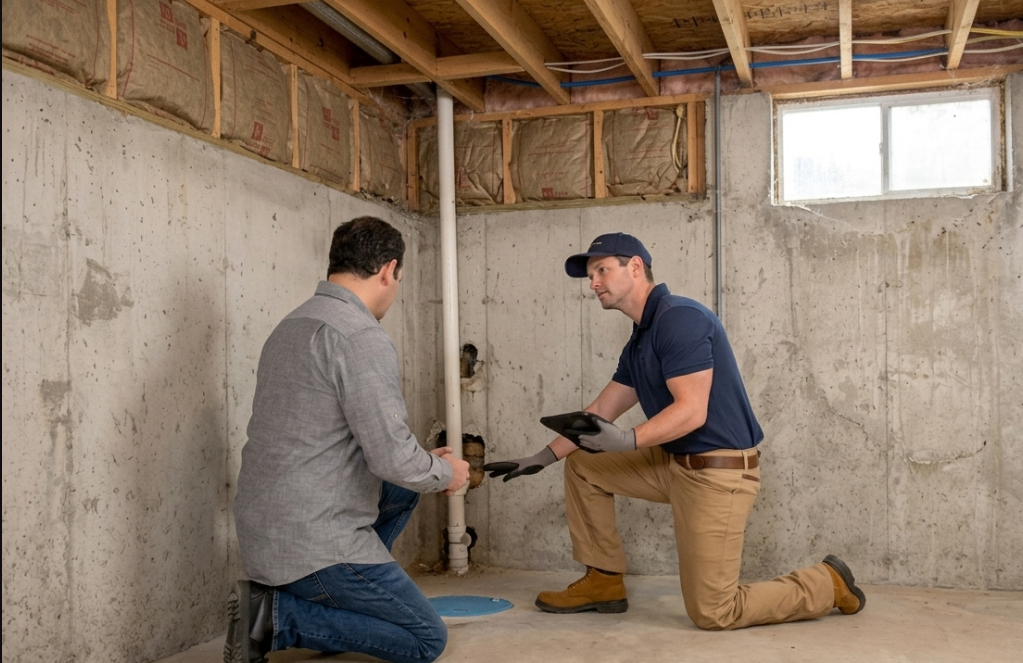
Many homeowners experience the same frustrating situation: the basement stays dry for months, but after a major rainstorm, water suddenly appears along a wall, in a corner, or on the basement floor.
It's a common problem throughout Ontario, especially during periods of heavy rainfall. While the leak may seem to appear overnight, the truth is that the issue often develops long before the storm arrives.
Heavy rainfall doesn't necessarily create the problem—it simply exposes weaknesses that may already exist in your home's waterproofing and drainage systems.
Understanding why basement leaks occur after storms can help homeowners take preventative action and protect their foundations from long-term damage.
What Happens During Heavy Rainfall?
When significant rainfall occurs, the soil surrounding your home begins absorbing water.
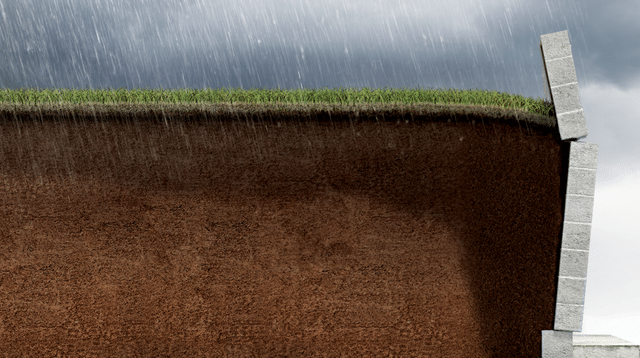
As the ground becomes saturated, excess water accumulates around the foundation walls. This creates pressure against the foundation and increases the likelihood of water finding a pathway into the basement.
The more rainfall your property receives, the greater the amount of water your waterproofing and drainage systems must manage.
A properly functioning waterproofing system can handle these conditions effectively. However, when weaknesses exist, water often finds a way inside.
Hydrostatic Pressure: The Hidden Force Behind Many Basement Leaks
One of the primary causes of basement leaks after rain is hydrostatic pressure.
Hydrostatic pressure develops when water builds up in the soil surrounding the foundation. As the soil becomes saturated, the pressure exerted against foundation walls increases significantly.
Water naturally seeks the path of least resistance. Under pressure, it may begin entering through:
- Foundation cracks
- Wall-floor joints
- Utility penetrations
- Porous concrete surfaces
- Deteriorated waterproofing materials
Even small openings can become entry points when enough pressure is present.
Common Entry Points for Water
Foundation Cracks
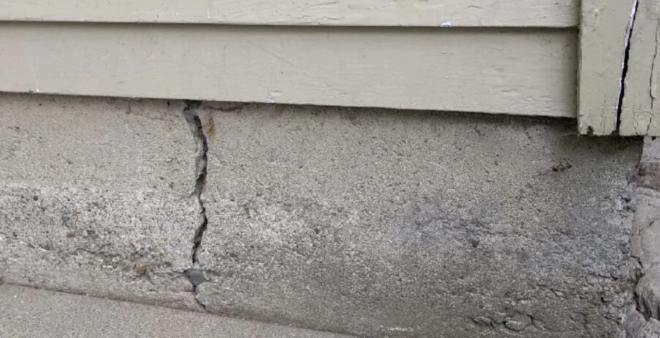
Cracks are among the most common causes of basement leaks.
During dry periods, a crack may not appear problematic. However, once heavy rain increases groundwater levels, water can begin seeping through the opening.
Wall-Floor Joints
The area where basement walls meet the floor is another common location for water intrusion.
As hydrostatic pressure increases, water may enter through this joint even when no visible crack is present.
Window Wells
Poorly drained window wells can fill with water during storms, allowing moisture to enter around basement windows.
Utility Openings
Pipes, electrical conduits, and other penetrations through foundation walls can become pathways for water if not properly sealed.
The Importance of Proper Drainage
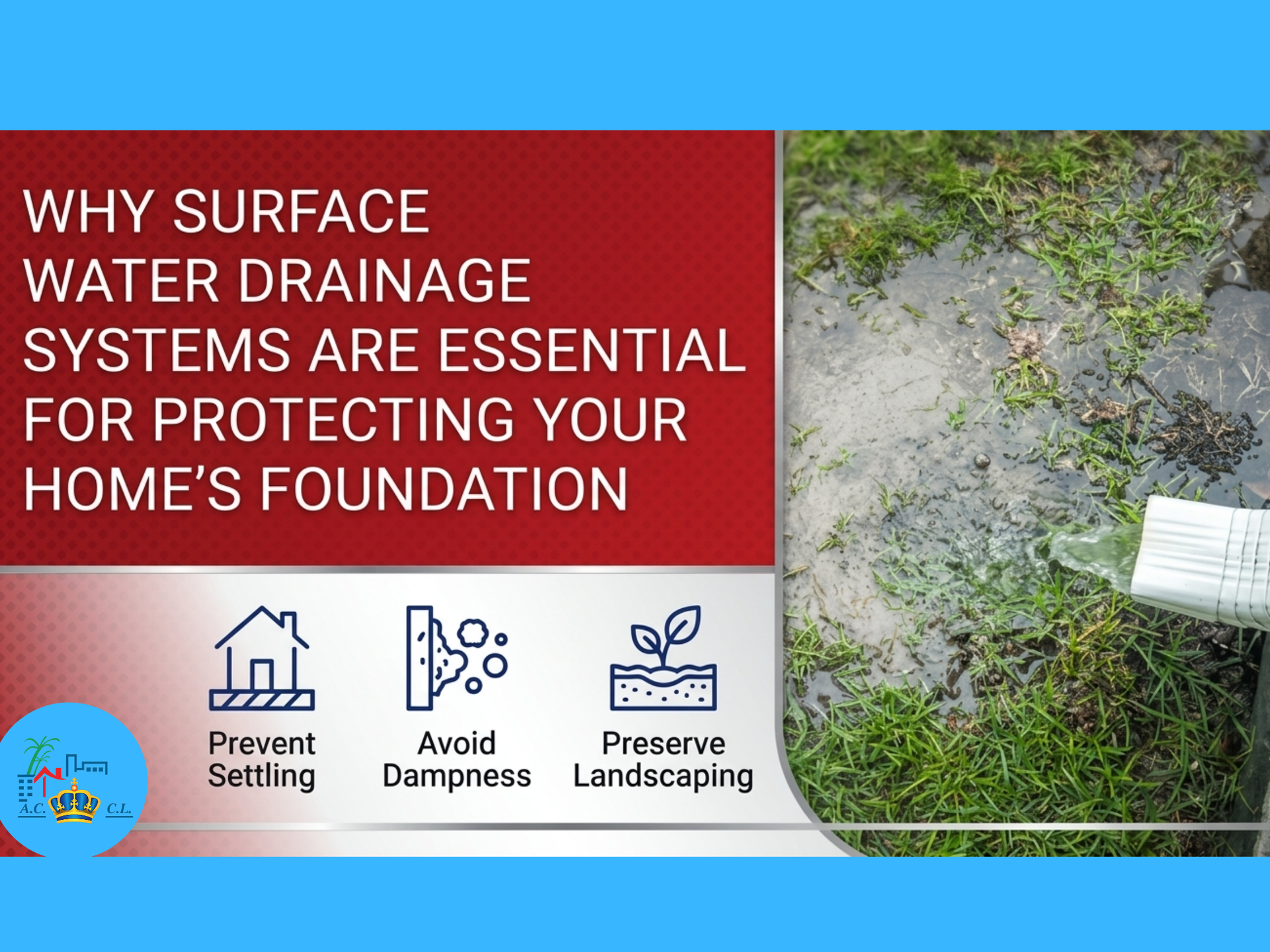
Your drainage system plays a critical role in protecting your home during heavy rainfall.
Several components work together to keep water away from the foundation:
Weeping Tile Systems
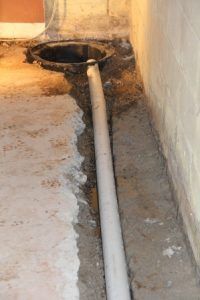
Weeping tiles collect groundwater and redirect it away from the home before pressure can build against foundation walls.
Proper Grading
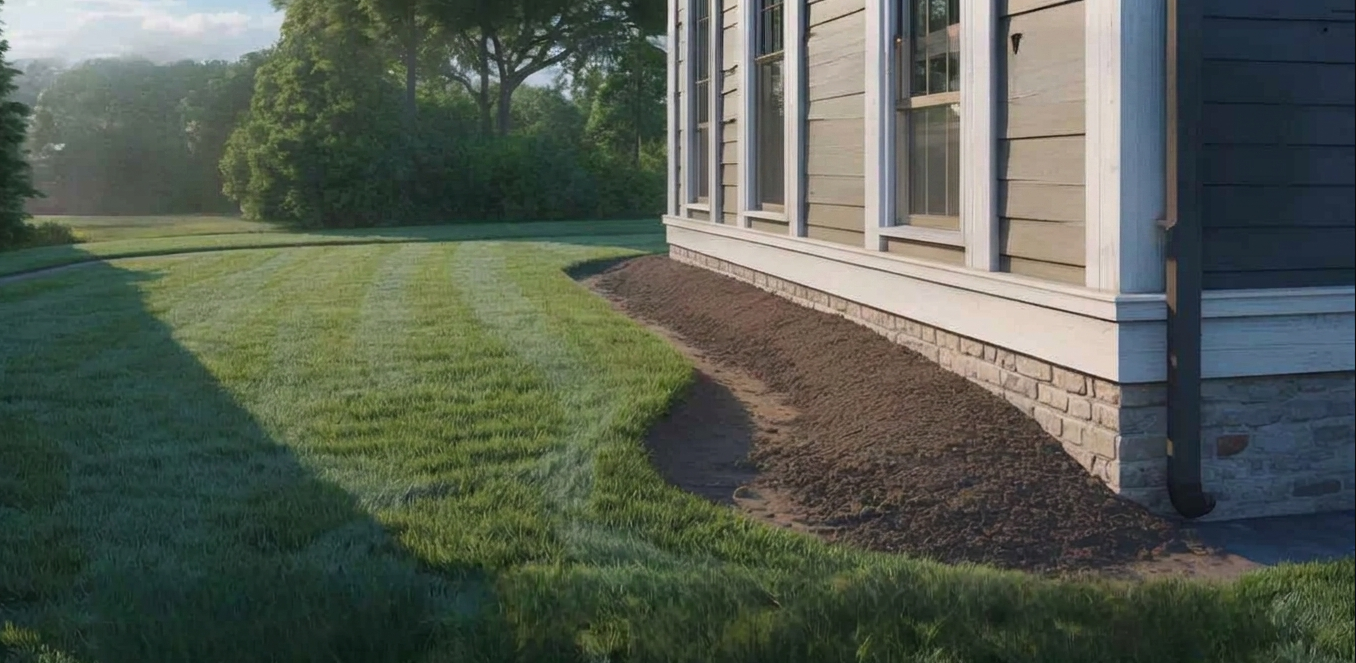
The ground surrounding your home should slope away from the foundation to encourage water runoff.
Gutters and Downspouts
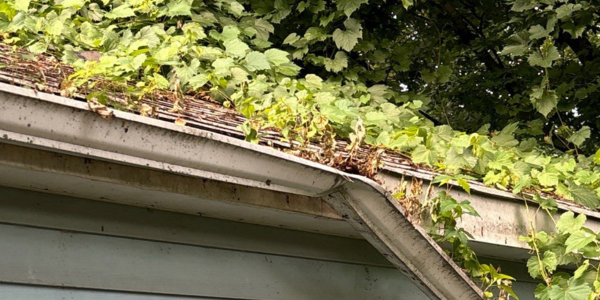
Properly functioning gutters and downspouts help move roof water away from the home.
Drainage Boards and Waterproof Membranes
These systems help manage groundwater and protect foundation walls from moisture penetration.
If any of these components fail, your risk of experiencing basement leaks increases significantly.
Warning Signs to Watch for After a Storm
After heavy rainfall, homeowners should inspect their property for signs of moisture problems.
Look for:
✅ Damp basement walls
✅ Water stains
✅ Musty odors
✅ Foundation cracks
✅ Standing water near the foundation
✅ Efflorescence (white mineral deposits)
✅ Wet carpet or flooring
Identifying these signs early can help prevent more serious damage later.
Why Basement Leaks Should Never Be Ignored
Some homeowners assume that a small leak after a storm is not a major concern.
Unfortunately, even minor water intrusion can lead to:
- Mold and mildew growth
- Damaged drywall and flooring
- Increased humidity
- Structural deterioration
- Reduced property value
The longer moisture problems persist, the more extensive and expensive repairs can become.
How Professional Waterproofing Protects Your Home
Professional waterproofing solutions are designed to address the source of water intrusion rather than simply treating the symptoms.
Depending on the cause of the problem, solutions may include:
Foundation Crack Repair
Sealing cracks prevents water from entering through foundation walls.
Exterior Waterproofing
Waterproof membranes create a barrier between groundwater and the foundation.
Drainage Board Installation
Drainage boards help direct water toward drainage systems while reducing hydrostatic pressure.
Weeping Tile Replacement
Upgrading aging drainage systems improves groundwater management around the home.
Protect Your Home Before the Next Storm
Heavy rainfall is often the ultimate test of your home's waterproofing system.
If your basement shows signs of moisture after a storm, it's important to address the issue before the next rainfall event occurs.
At ACCL Waterproofing, we help homeowners identify the causes of water intrusion and provide long-term solutions that keep basements dry and foundations protected.
Contact ACCL Waterproofing
Corporate Head Office
124 Wilson Rd S
Oshawa, ON L1H 6C1
📞 West: 1 (416) 759-2995
📞 East: 1 (905) 448-5909
📞 Toll Free: 1 (866) 701-8484