Unveiling the Depths: Exploring the Art of Underpinning Basements
“Understanding the Basics: Reinforcing Your Basement”
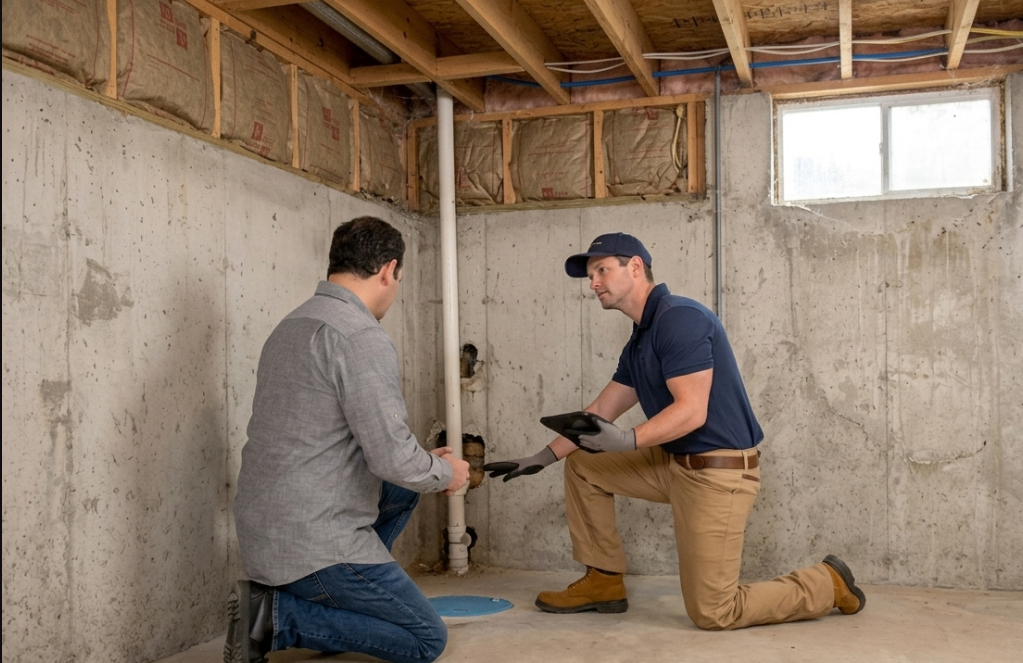
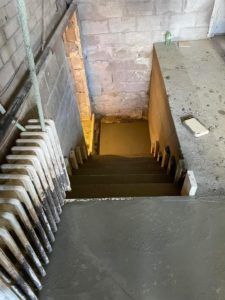
Basements are often overlooked spaces, relegated to storage or laundry duty. However, they hold immense potential for adding livable square footage to your home. Underpinning, a construction method aimed at increasing the depth of a basement, can transform this neglected area into a functional and valuable asset. In this blog, we’ll delve into the basics of underpinning, exploring what it entails, why you might need it, and the process involved.
Why Underpinning? Underpinning is typically necessary when a homeowner wants to increase the height or depth of their basement. There are several reasons why someone might opt for this construction method:
1. Additional Living Space: By underpinning a basement, homeowners can create more headroom, making the space suitable for a variety of purposes such as an extra bedroom, a home office, or a recreational area.
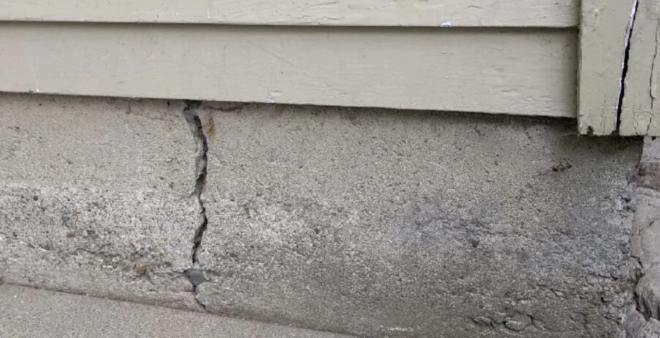
2. Foundation Repair: If your existing foundation is compromised due to issues like cracks, settling, or water damage, underpinning can stabilize and strengthen it, preventing further deterioration.
3. Property Value: A renovated basement with increased headroom adds significant value to your property, making it a worthwhile investment if you plan to sell in the future.
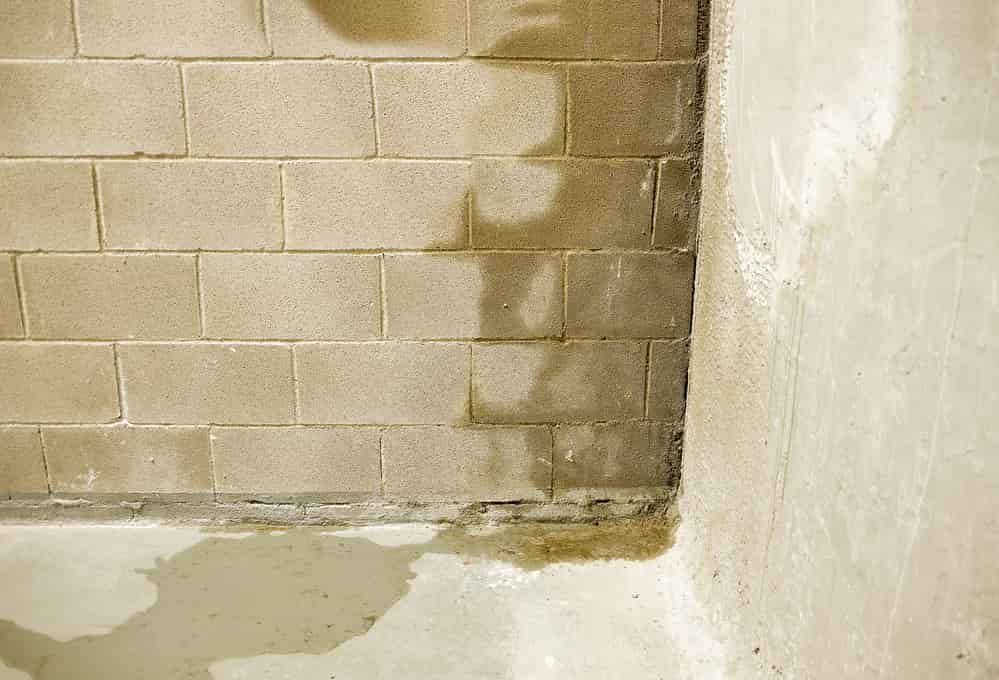
4. Flood Prevention: Underpinning can also involve waterproofing measures, which are crucial for basements in flood-prone areas. This helps protect your home from water damage and mold growth.
Understanding the Process: Underpinning is a complex construction process that experienced professionals should undertake. Here’s a simplified overview of the typical steps involved:
1. Site Assessment: A structural engineer assesses the site to determine the feasibility of underpinning and develops a plan tailored to the specific needs of your basement.
2. Excavation: The area around the existing foundation is excavated in sections, usually one at a time, to avoid compromising the structural integrity of the building.
3. Temporary Support: Temporary supports such as jacks or shoring are installed to ensure the stability of the structure during excavation and construction.
4.Underpinning: The existing foundation is reinforced, typically by digging beneath it and pouring concrete to create deeper footings. This process may involve traditional methods like mass concrete underpinning or modern techniques like mini-piling or beam and base underpinning.
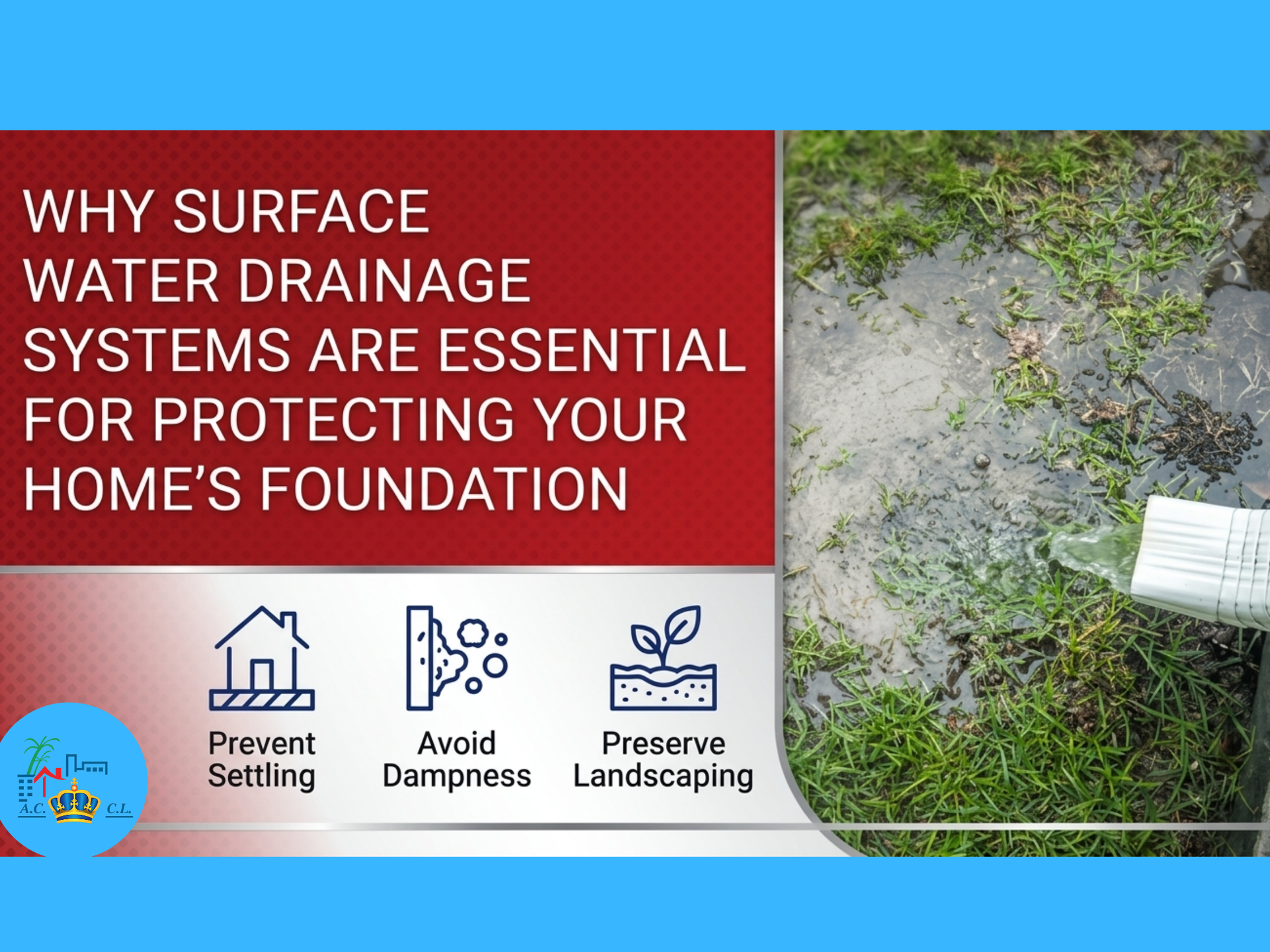
5.Waterproofing: Waterproof membranes and drainage systems are installed to prevent water infiltration and protect the basement from moisture damage.
6.Finishing: Once the underpinning is complete, the basement can be finished according to the homeowner’s preferences, including insulation, flooring, and fixtures.
Considerations and Challenges: While underpinning offers numerous benefits, it’s essential to consider some potential challenges:
1.Cost: Underpinning can be a significant financial investment, so it’s crucial to budget accordingly and obtain multiple quotes from reputable contractors.
2.Disruption: Depending on the scope of the project, underpinning can cause significant disruption to your daily life. It’s essential to plan accordingly and consider alternative living arrangements if necessary.
3.Permits and Regulations: Underpinning typically requires permits from local authorities, and the construction must adhere to building codes and regulations. Failure to obtain proper permits or comply with regulations can result in fines or legal issues.
4. Structural Risks: Underpinning involves working on the foundation of your home, which is critical to its structural integrity. Hiring a qualified structural engineer and experienced contractors is essential to minimize the risk of structural damage or collapse.
Underpinning a basement is a complex yet rewarding endeavor that can unlock the full potential of your home’s lower level. Whether you’re seeking additional living space, addressing foundation issues, or increasing your property value, underpinning offers a viable solution. By understanding the process, considering the challenges, and working with experienced professionals, you can successfully transform your basement into a functional and valuable asset for years to come.
The post Unveiling the Depths: Exploring the Art of Underpinning Basements appeared first on ACCL Waterproofing.