How to Identify Waterproofing Issues in Your Home Before They Become a Major Problem
How to Identify Basement Waterproofing Issues in Your Home Before They Become a Major Problem
The basement is one of the most vulnerable areas in a home when it comes to water intrusion. Due to its below-ground location, basements are susceptible to hydrostatic pressure, groundwater seepage, and improper drainage. Left unchecked, these issues can lead to structural damage, mold growth, and costly repairs. Identifying basement waterproofing problems early can save you time, money, and stress while protecting your home’s value and integrity.
Why Basement Waterproofing Is Crucial
Basements serve a variety of purposes, from storage to living space. Proper waterproofing ensures that this space remains dry, functional, and safe. A waterproof basement also prevents issues like foundation weakening, poor indoor air quality, and pest infestations, all of which can arise from excess moisture.
Early Warning Signs of Basement Waterproofing Issues
Water Stains on Walls or Floors
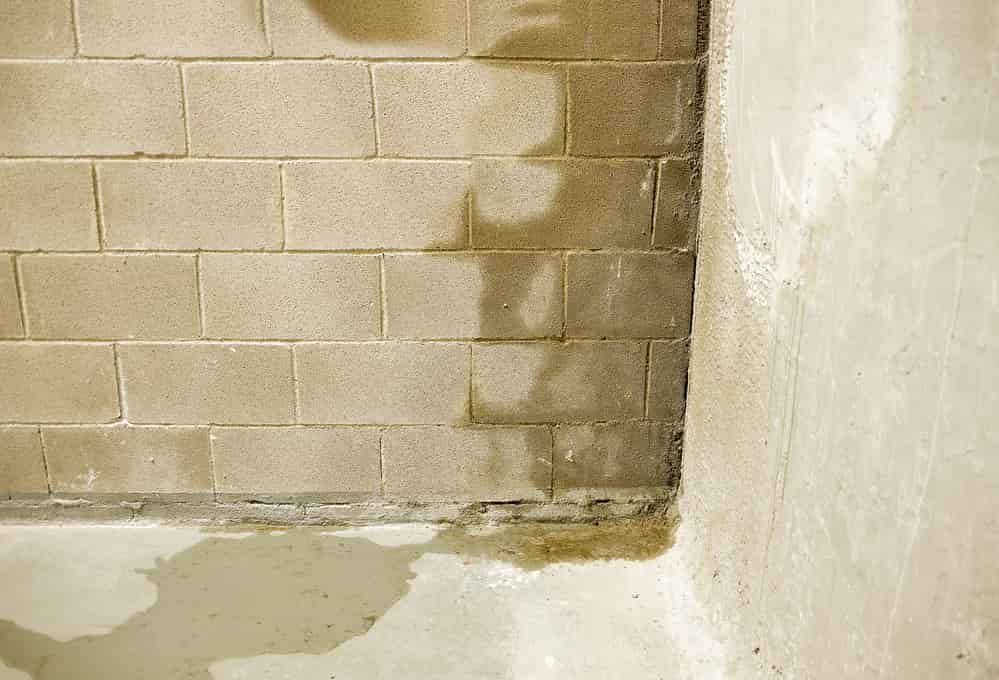
Look for discoloration on basement walls or floors. Yellowish, brownish, or greenish stains typically indicate water infiltration. Stains that appear after heavy rain are a strong sign of poor waterproofing.
Efflorescence
Efflorescence is the white, chalky substance that forms on masonry surfaces when water evaporates, leaving behind mineral deposits. Its presence signals water movement through your basement walls or floor.
Cracks in Walls or Flooring
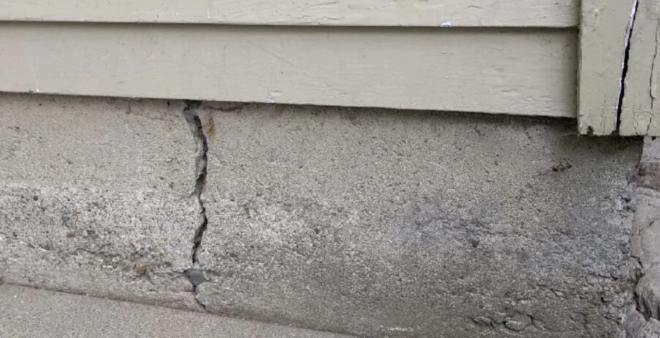
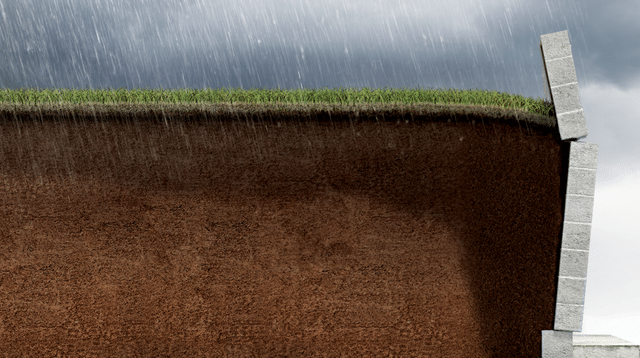
Cracks in basement walls or floors may appear small, but they can allow water to seep in, particularly during rainy seasons or snowmelt. Horizontal cracks may also indicate excessive hydrostatic pressure against your foundation.
Persistent Dampness or Condensation
A basement that feels damp, humid, or has noticeable condensation on surfaces like windows or pipes may have inadequate waterproofing. High humidity levels can lead to mold growth and create an uninviting environment.
Mold and Mildew
The appearance of mold or mildew is a clear indicator of moisture problems. Look for black, green, or white spots on walls, ceilings, or stored items. A musty smell in your basement often accompanies mold growth.
Pooled Water or Flooding
Visible water pooling on the floor or along the walls is a sign of significant waterproofing failure. Even small puddles can indicate a more extensive problem with drainage or seepage.
Common Causes of Basement Waterproofing Issues
Poor Drainage Systems
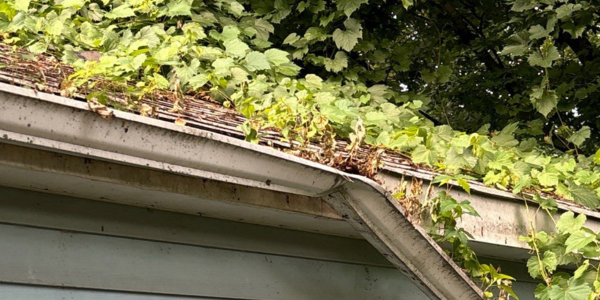
A clogged or improperly installed drainage system, such as downspouts and gutters, can lead to water accumulating around your foundation.
Hydrostatic Pressure
This occurs when groundwater builds up around your foundation, exerting pressure that forces water through cracks or weak points in the basement walls and floor.
Crumbling Foundation
Aging or damaged foundation materials may lose their ability to repel water, increasing the risk of seepage.
Failing Waterproofing Membranes
Over time, waterproofing membranes applied during construction can degrade or become compromised, allowing water to penetrate your basement.
How to Proactively Identify and Address Issues
Conduct Regular Inspections
Make it a habit to inspect your basement for any visible signs of water intrusion. Look closely at walls, floors, and windows for stains, cracks, or dampness.
Test for Moisture
Perform a simple moisture test by taping a piece of plastic sheeting to a section of your basement wall or floor. Leave it for 24-48 hours and check for condensation. Moisture on the inside of the plastic indicates water seepage.
Monitor Humidity Levels
Use a hygrometer to measure your basement’s humidity. Ideally, it should be below 50%. Persistent high humidity is a red flag.
Check Exterior Grading
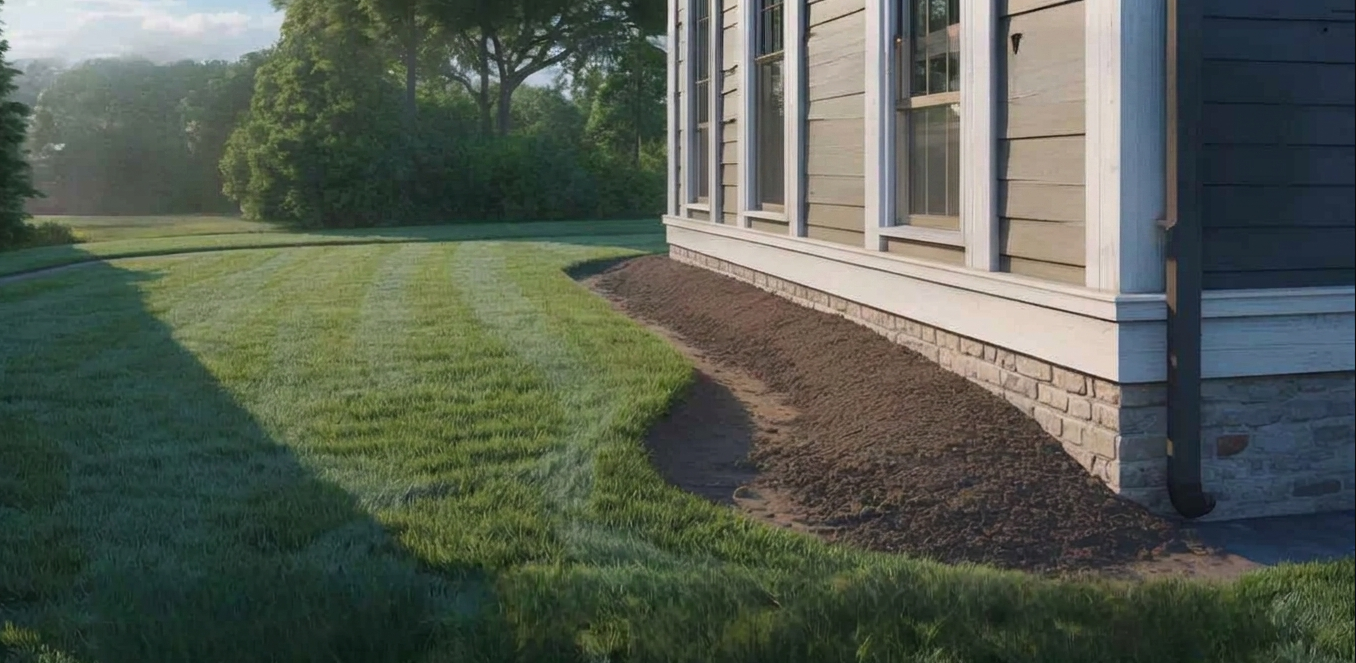
Ensure that the ground around your home slopes away from the foundation. Poor grading can cause water to pool around your basement walls.
Solutions to Basement Waterproofing Problems
Repair Cracks and Seals
Seal small cracks with epoxy or polyurethane injection to prevent water from seeping through. For larger cracks, consult a professional for structural repairs.
Improve Drainage
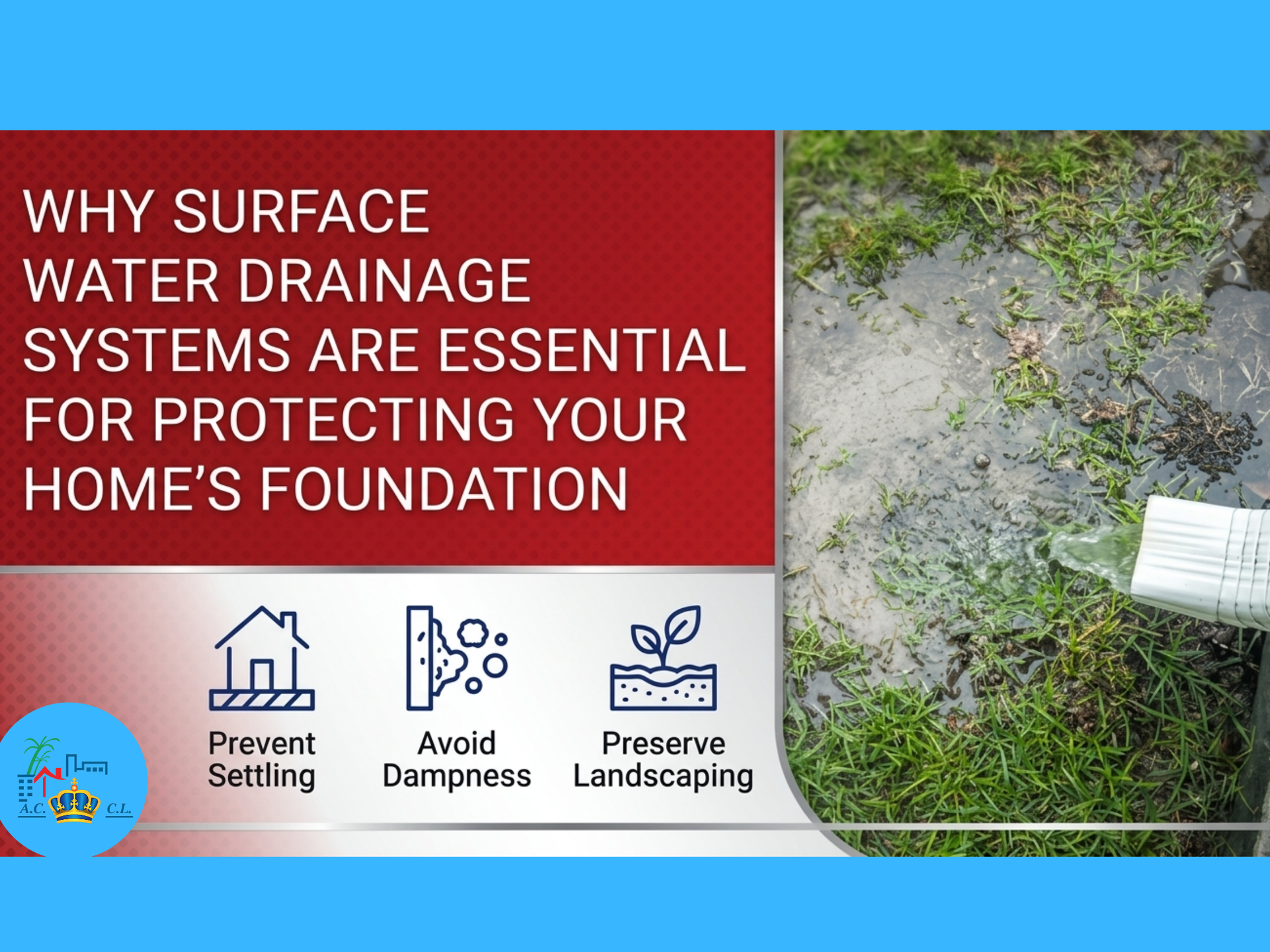
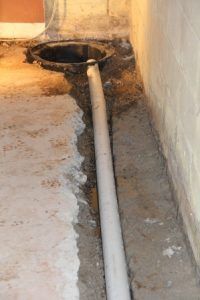
Install or maintain French drains, sump pumps, or exterior drainage systems to redirect water away from your foundation. Clean gutters and downspouts regularly.
Install or Upgrade Waterproofing Systems
Consider adding an interior or exterior waterproofing membrane, depending on the severity of the issue. Interior systems are often more cost-effective, while exterior solutions provide long-term protection.
Use a Dehumidifier
Reduce indoor humidity with a dehumidifier, especially if your basement tends to feel damp. This will help prevent mold and mildew growth.
When to Call a Professional
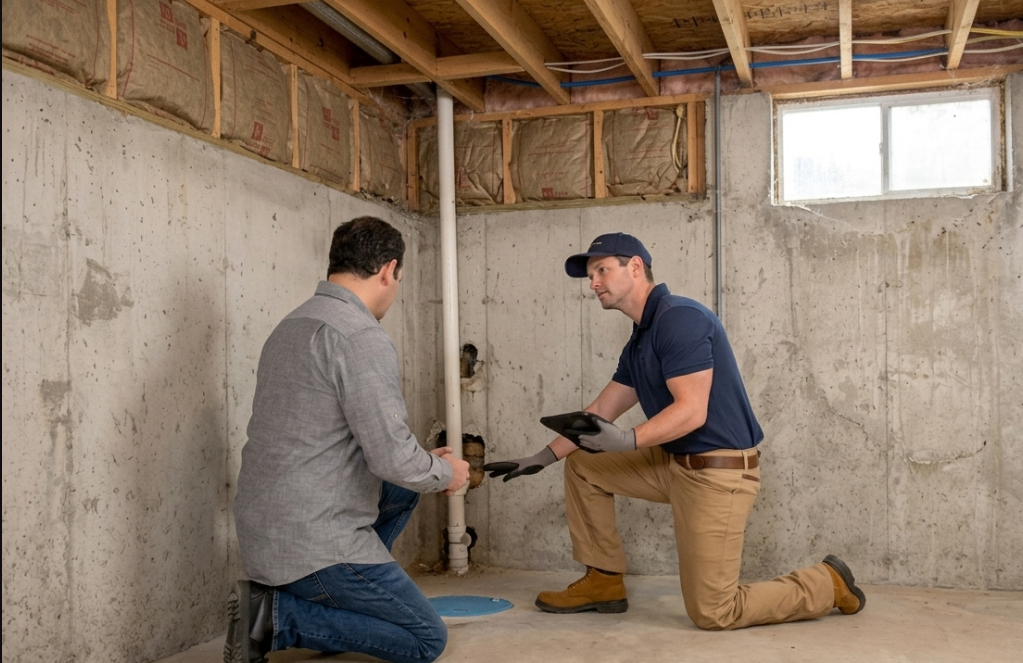
Some basement waterproofing issues require expert evaluation and repair. If you notice recurring problems, extensive mold, or structural damage, consult a waterproofing specialist. Professionals can perform thorough inspections, identify root causes, and recommend tailored solutions to safeguard your basement.
The Value of Proactive Maintenance
Addressing basement waterproofing issues early prevents minor problems from escalating into significant damage. By conducting regular inspections, implementing preventive measures, and seeking professional help when needed, you can keep your basement dry and safe for years to come.
Waterproofing is an investment in your home’s longevity, functionality, and overall health. Don’t wait for a small issue to become a major problem—take action today!
Contact us today for all your waterproofing needs!
The post How to Identify Waterproofing Issues in Your Home Before They Become a Major Problem appeared first on ACCL Waterproofing.