WINTERIZE YOUR WINDOW WELL
Winterizing Your Window Well: A Step-by-Step Guide
As winter approaches, preparing your home for the cold weather is essential. While many homeowners focus on sealing windows and insulating attics, one often overlooked aspect is the window well. Properly winterizing your window well can help prevent water damage, reduce drafts, and keep your basement dry during the snowy and icy months.
Here’s a comprehensive guide on winterizing your window well and protecting your home from winter’s harsh elements.
Clean Out Debris
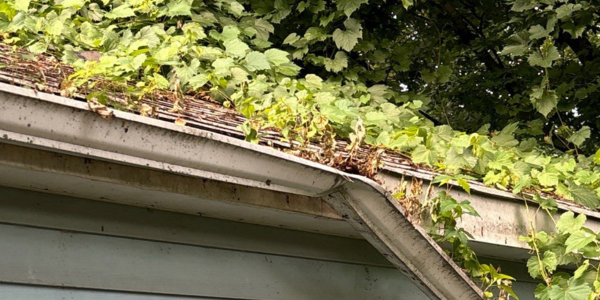
Before the first snowfall, please make sure your window is clean. Over time, leaves, dirt, and other debris can accumulate, creating blockages that prevent proper drainage. Clogged window wells can lead to pooling water, which may seep into your basement and cause moisture problems.
Steps to Clean:
- Remove large debris: Clear out any leaves, sticks, or garbage.
- Inspect for pests: Window wells are a haven for small critters, so check for nests or burrowing.
Check and Clear the Drain
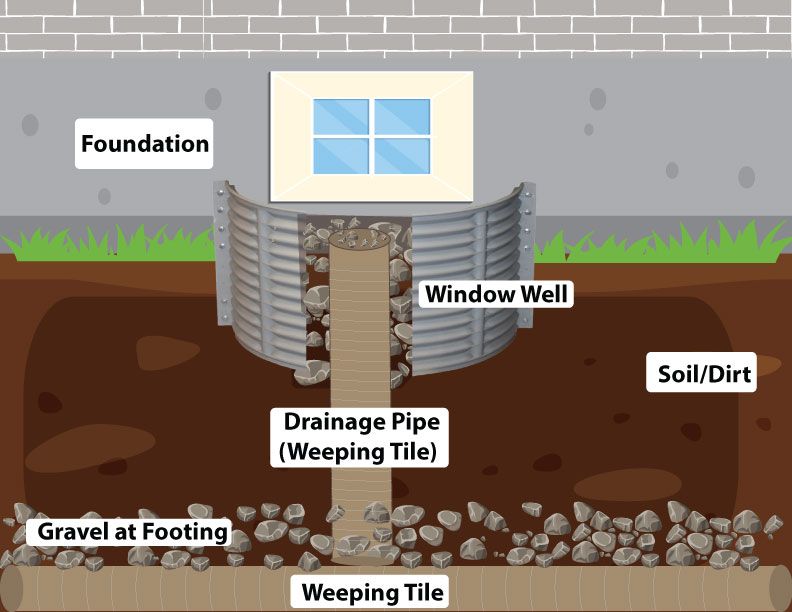
Most window wells are designed with a drainage system to prevent water buildup. Inspecting and ensuring the drain is free of clogs before winter is essential. A blocked drain can lead to ice formation, causing water to back up and potentially leak into your basement.
Tips:
- Test drainage: Pour water into the window well and see how quickly it drains.
Install or Replace Window Well Covers
One of the most effective ways to winterize your window well is by installing a window well cover. These covers act as a shield against snow, ice, and rain, keeping moisture out while allowing light to enter your basement. If you already have a cover, inspect it for cracks or damage that might reduce its effectiveness.
When choosing a window well cover:
Look for a snug fit: Ensure the cover fits tightly around the window well to keep out debris and moisture.
Choose durable materials: Polycarbonate and acrylic are strong, long-lasting options that can handle snow and ice.
Consider custom covers: If your window well has a unique shape or size, custom covers can provide better protection.
Install or Replace Window Well Covers
Seal Gaps Around the Window Frame
Cold air and moisture can infiltrate through gaps around your window well window, causing drafts and potential water damage. Sealing these gaps is a key step in preventing heat loss and moisture infiltration.
How to seal:
Use weatherstripping: Apply adhesive-backed weatherstripping around the edges of the window.
Caulk gaps: Fill any visible cracks or gaps with exterior-grade silicone caulk for a tight, waterproof seal.
Inspect for damage: Ensure the window itself is in good condition and consider replacing old or damaged windows if necessary.
Add Insulation
For homes in frigid climates, adding insulation to your window well can provide an extra layer of protection against drafts and heat loss.
Insulation options:
Rigid foam board: Place this insulation around the interior of the window well to keep the cold at bay.
Reflective insulation: This type of insulation helps reflect heat into your home, reducing energy loss.
Monitor for Ice Buildup
After winterizing your window well, it’s important to periodically check for ice buildup throughout the colder months. Ice can damage your window well, cause pressure against your basement windows, and block drainage.
Prevention tips:
Salt and de-icers: Use salt or de-icing products sparingly around the window well to prevent ice formation, but avoid overuse as it can damage concrete.
Regular inspections: Check your window well after heavy snowfalls to ensure the cover is intact and that no ice dams are forming around the edges.
Keep Snow Away from the Window Well
Snow accumulation around your window well can lead to excessive moisture and potential leaks. After heavy snowfalls, make it a point to shovel snow away from the area to reduce the risk of moisture seeping into your basement.
Pro tip:
Create a barrier: Consider adding a small barrier around the perimeter of the window well to keep snow and water from flowing directly into the well.
Conclusion
Winterizing your window well is a critical step in protecting your basement from moisture, drafts, and potential water damage. By cleaning out debris, installing proper covers, sealing gaps, and regularly inspecting the area throughout winter, you can ensure your home stays warm and dry during the colder months.
The post WINTERIZE YOUR WINDOW WELL appeared first on ACCL Waterproofing.