When to Worry About Foundation Cracks: A Homeowner’s Guide
Types of Foundation Cracks and What They Mean
Your home’s foundation is its backbone, providing stability and support. Over time, you may notice cracks forming in the foundation, which can be concerning. However, not all foundation cracks indicate serious structural problems. Understanding when to worry about foundation cracks can help you take the right action to protect your home.
Types of Foundation Cracks
Foundation cracks can appear in different forms, and their severity depends on several factors. Here are the most common types:
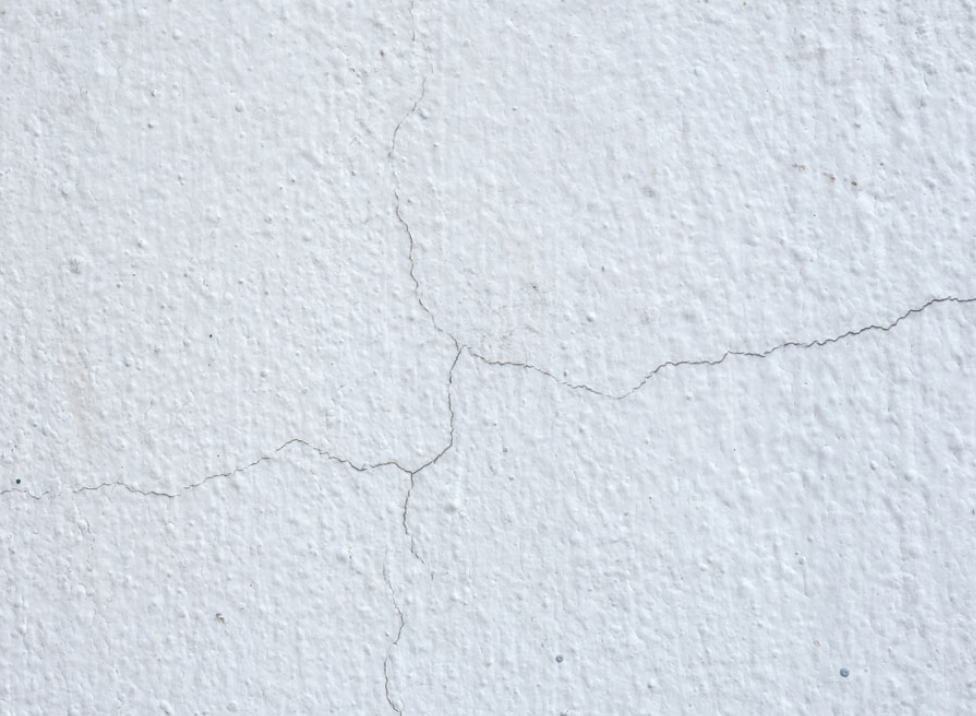
1. Hairline Cracks
- Cause: These are often due to the natural curing process of concrete and minor settling.
- Should You Worry? Generally, no. However, monitor them for changes in size or direction.
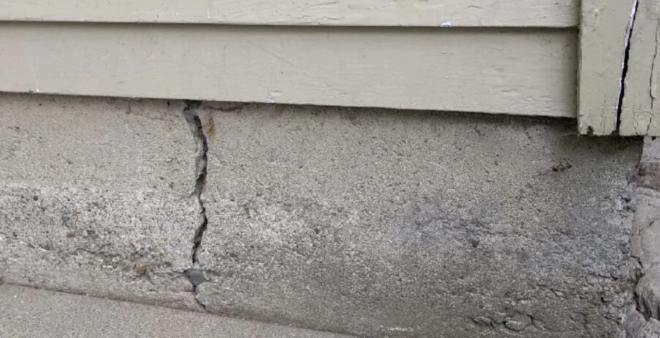
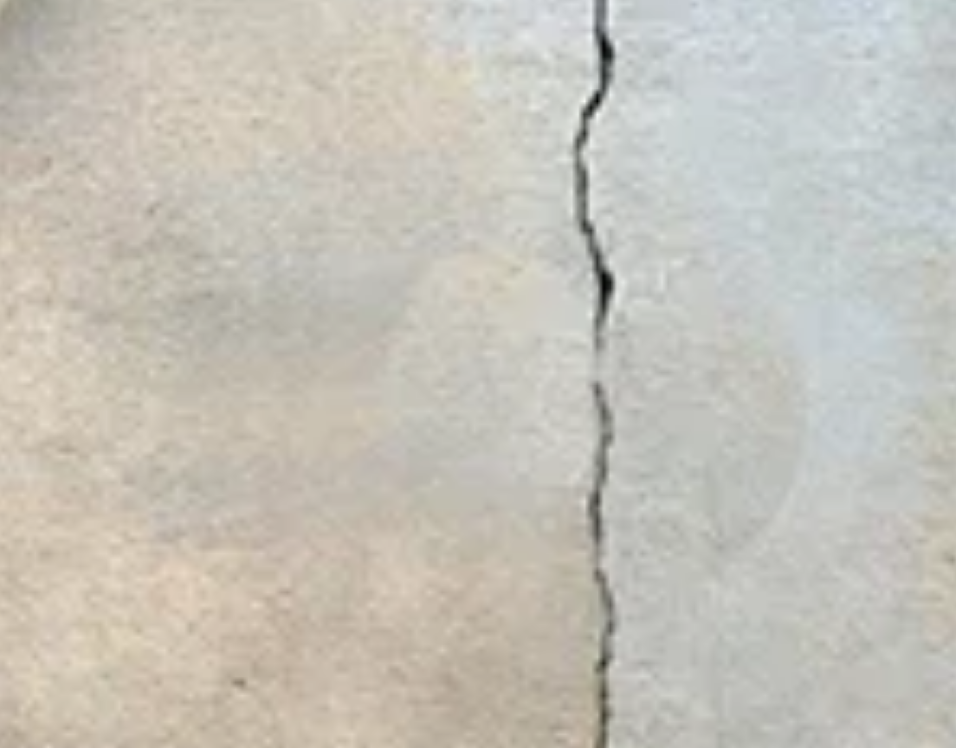
2. Vertical Cracks
- Cause:Commonly caused by normal settling of the house.
- Should You Worry? Typically not a major concern if they remain small, but if they widen over time, professional assessment is advised.
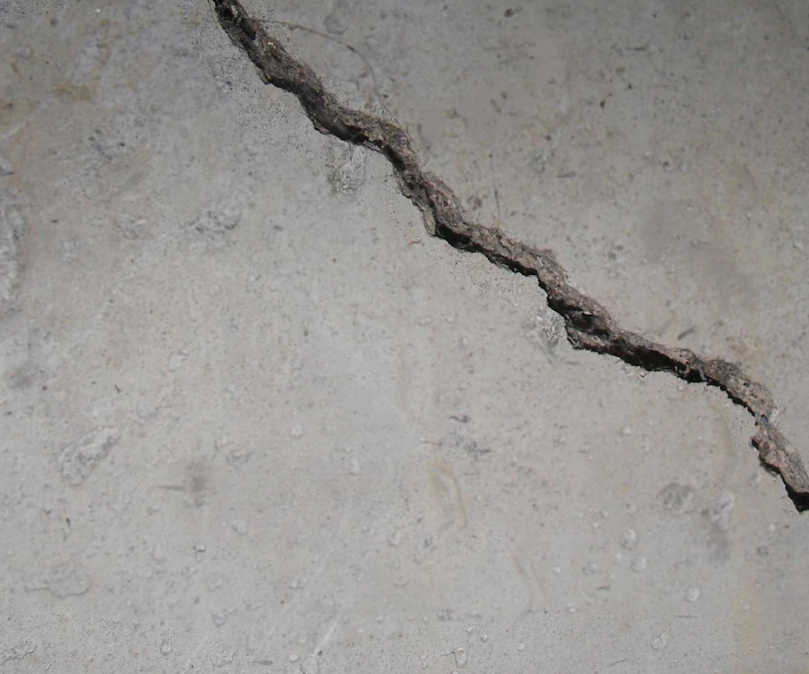
3. Horizontal Cracks
- Cause:Often due to pressure from expanding soil or water buildup around the foundation.
- Should You Worry? Yes. These can indicate serious structural damage and potential foundation failure. Immediate professional intervention is recommended.

4. Diagonal Cracks
- Cause: Usually caused by uneven settling of the foundation.
- Should You Worry? Minor diagonal cracks may not be serious, but wider cracks (over 1/8 inch) should be examined by an expert.
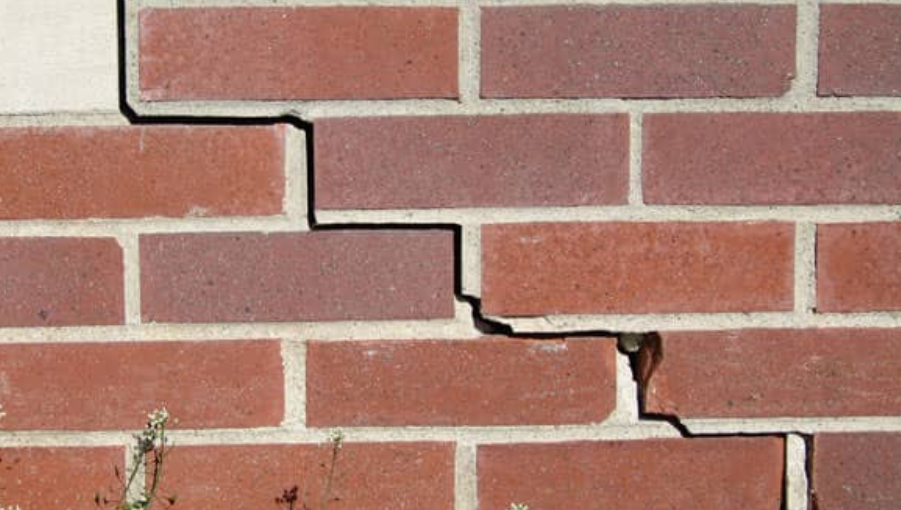
5. Stair-Step Cracks in Brick or Block Foundations
- Cause: These may result from foundation movement or shifting soil.
- Should You Worry? If they are small, they may not be urgent. However, if they continue to expand, they can signal structural instability.
Signs That Foundation Cracks Need Immediate Attention
While some cracks are harmless, the following signs indicate a potential foundation issue requiring immediate action:
- Cracks Wider Than 1/4 Inch – Large cracks suggest significant movement or stress.
- Cracks Accompanied by Bowing Walls – This indicates excessive pressure on the foundation.
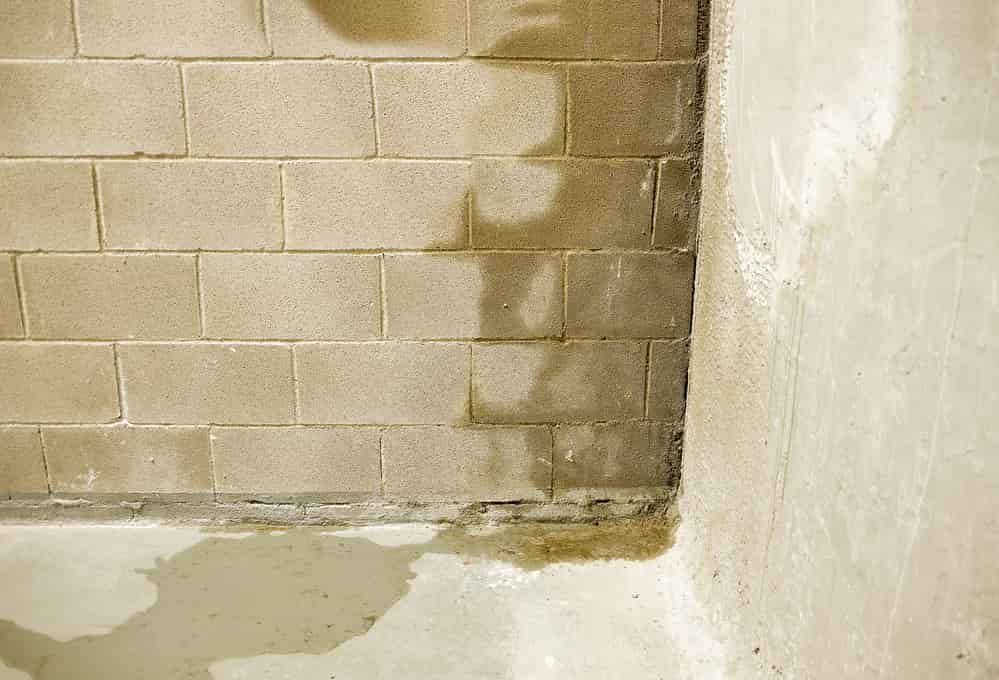
- Water Seepage Through Cracks – Water intrusion can weaken the foundation and cause mold issues.
- Doors and Windows Sticking – Difficulty opening and closing doors or windows may indicate foundation shifting.
- Uneven or Sloping Floors – A sign of foundation settlement that may need professional repair.
What to Do If You Notice Concerning Cracks
If you observe foundation cracks that raise concern, take the following steps:
- Monitor and Document – Take photos and measurements to track any changes over time.
- Check for Additional Symptoms – Look for signs like moisture intrusion, wall bowing, or uneven floors.
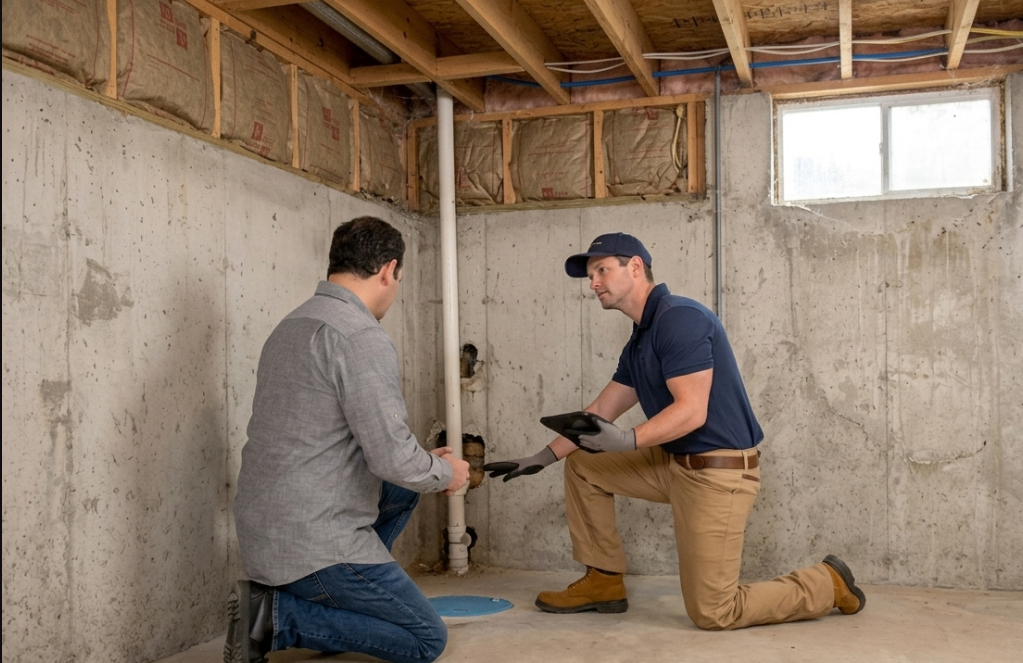
- Consult a Professional – A foundation expert or structural engineer can assess the severity of the cracks and recommend solutions.
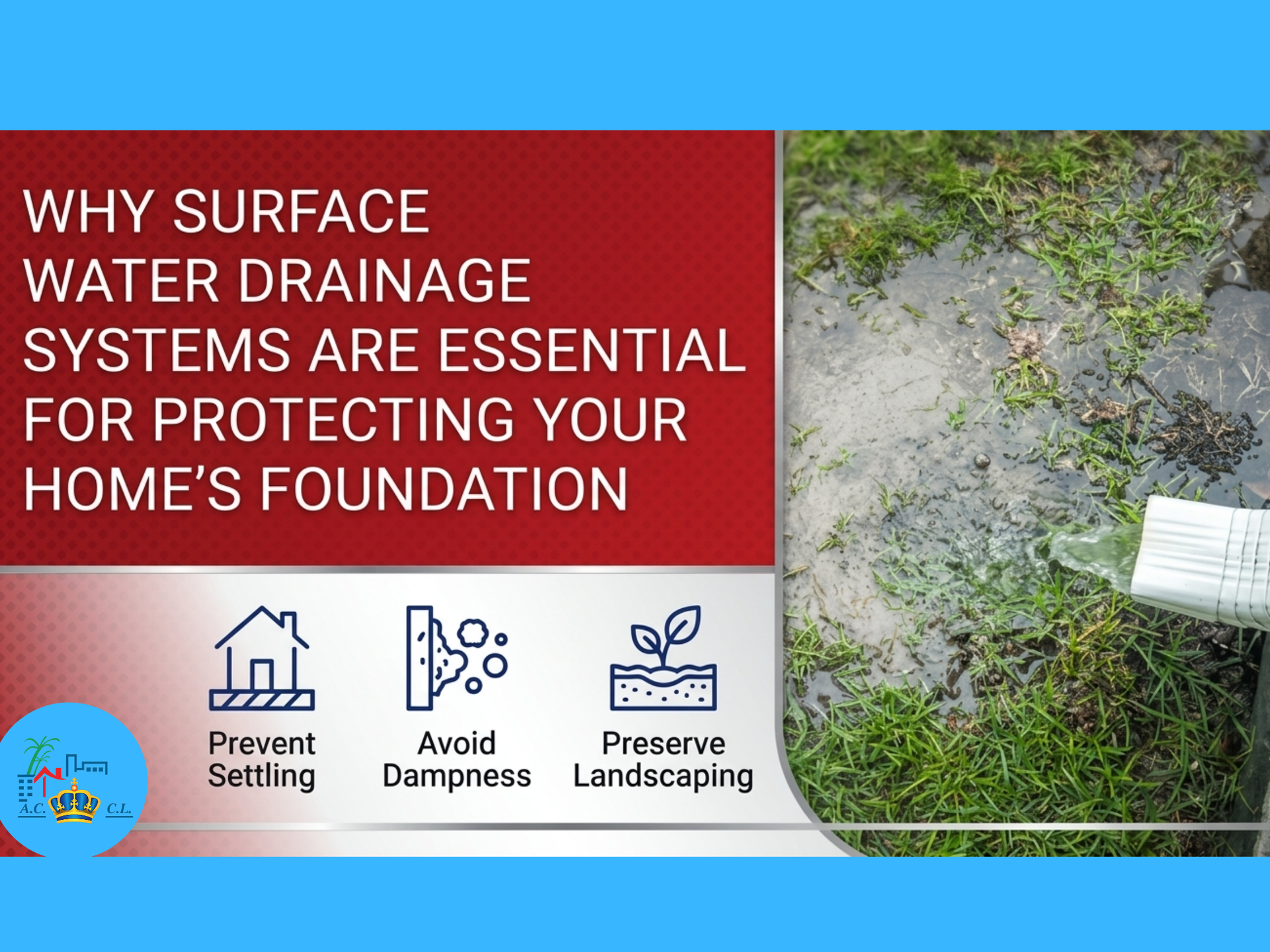
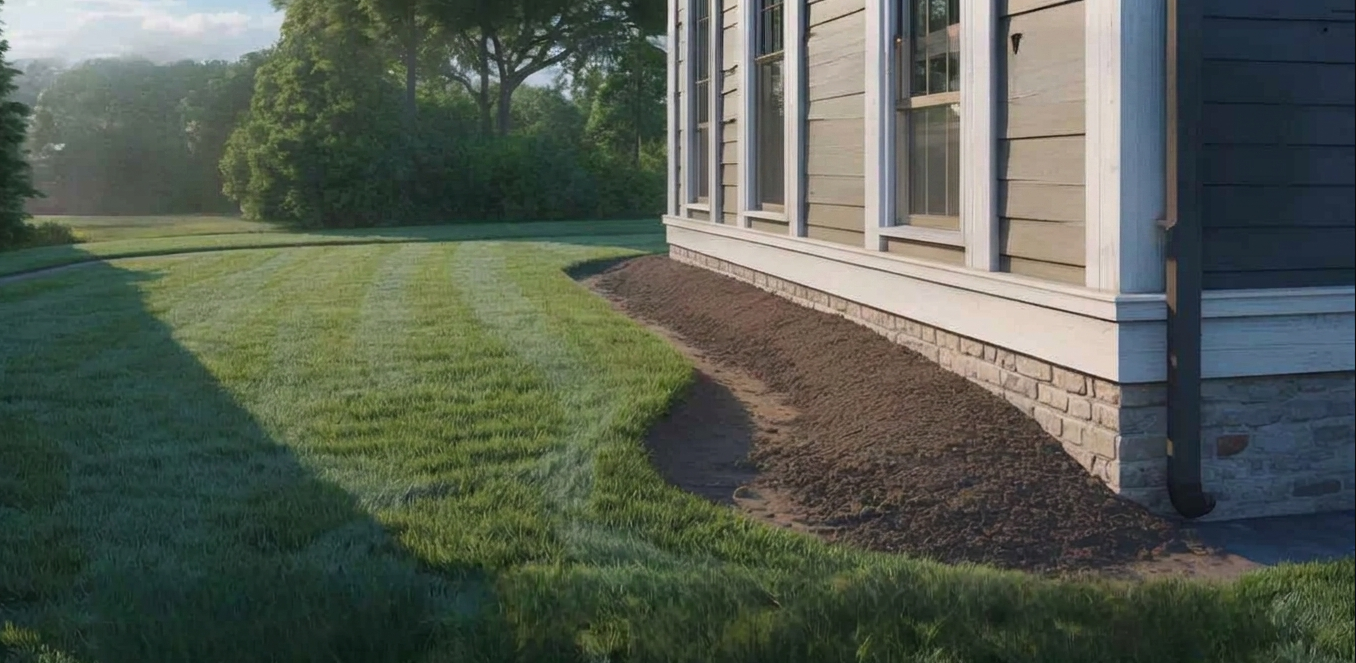
- Address Water Drainage Issues – Ensure proper grading and drainage around your home to prevent water buildup that could worsen cracks.
Not all foundation cracks require immediate action but understanding when to worry can help prevent costly repairs down the line. If you’re ever unsure about the severity of a crack, consulting a professional is always the best course of action. Regular maintenance and early intervention are key to keeping your home’s foundation strong and secure.
The post When to Worry About Foundation Cracks: A Homeowner’s Guide appeared first on ACCL Waterproofing.