Basement Flooding – Prevention & Cleanup
With the volume of rain that has been falling the last few days, I can only imagine the amount of basement flooding that has occurred. The damage that flooding brings with it can be catastrophic. Structural damage, wet furniture, and mold are only a few of the potential outcomes. This article will give you the steps and knowledge on how to deal with flooding BEFORE and AFTER it occurs. Both interior and exterior methods of prevention will be explained.
Basement Flooding Prevention
Interior
Capillary Action – This generally occurs when the groundwater table is higher than the basement floor and foundation. Groundwater comes up through the foundation and slab.
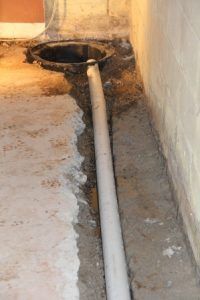
- Prevention – Use or installation of a sump pump will offset the rising water.
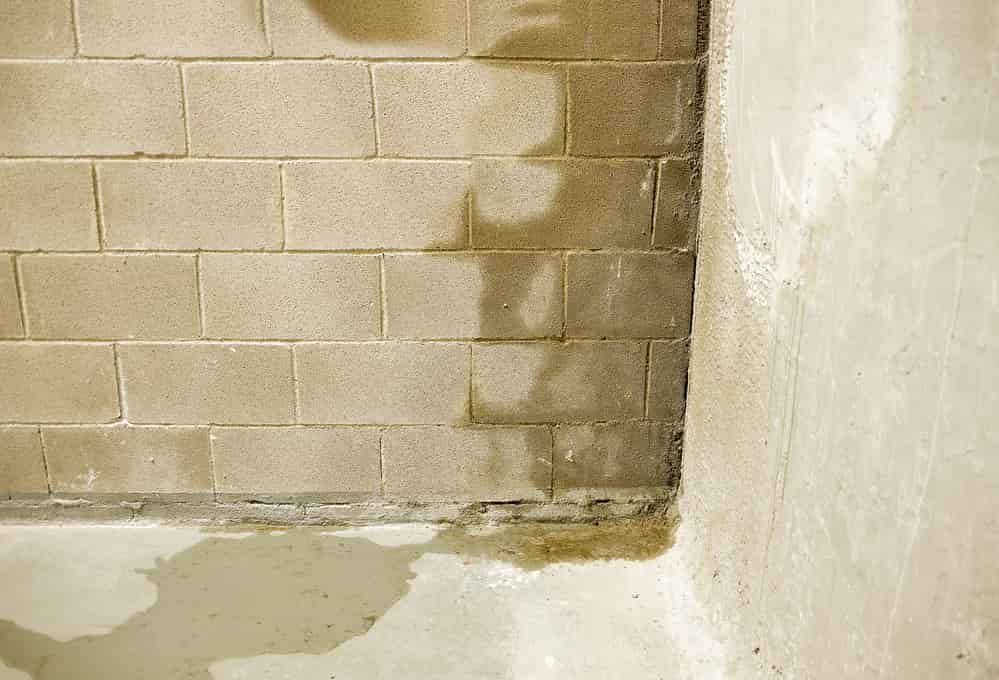
Leakage or Intrusion – Water can leak in through the basement walls and foundation. It is often a result of improper grading and drainage.
- Prevention – A waterproofing product to the basement walls coupled with proper grading and drainage.
Exterior
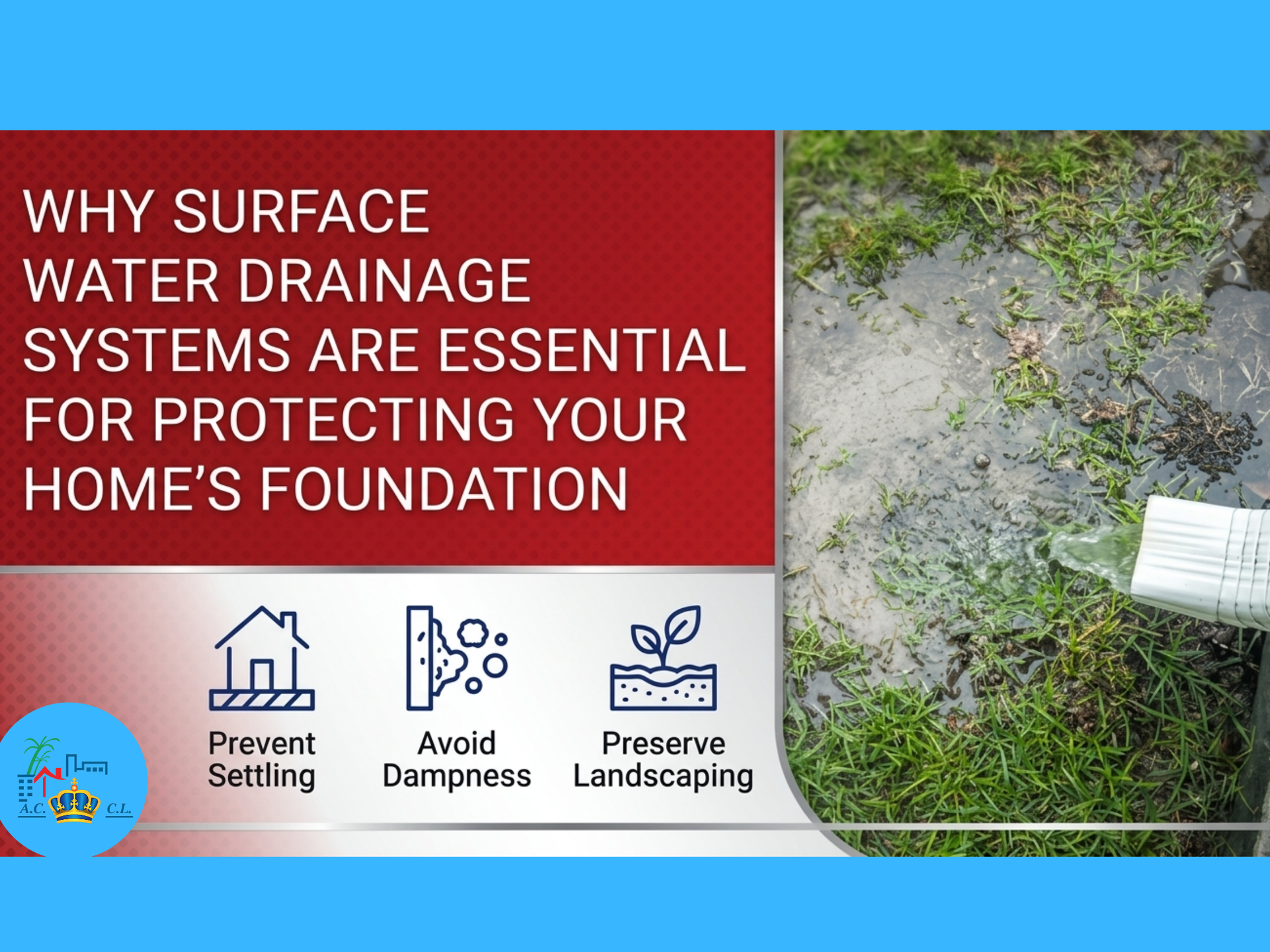
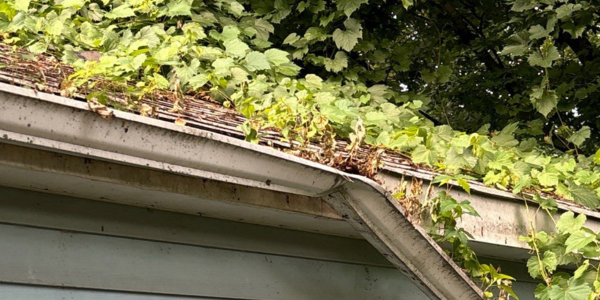
Clogged Downspouts – Causes eaves to back up and spill the rain water from the roof down the sides of the house where it can either penetrate the siding/walls or it can drain directly into the foundation. If there are any cracks in the foundation, this can cause the water to leak directly into the basement.
- Prevention – Check your eaves annually to ensure that they are not clogged and that water expels from the downspout at least a few meters away from your home.
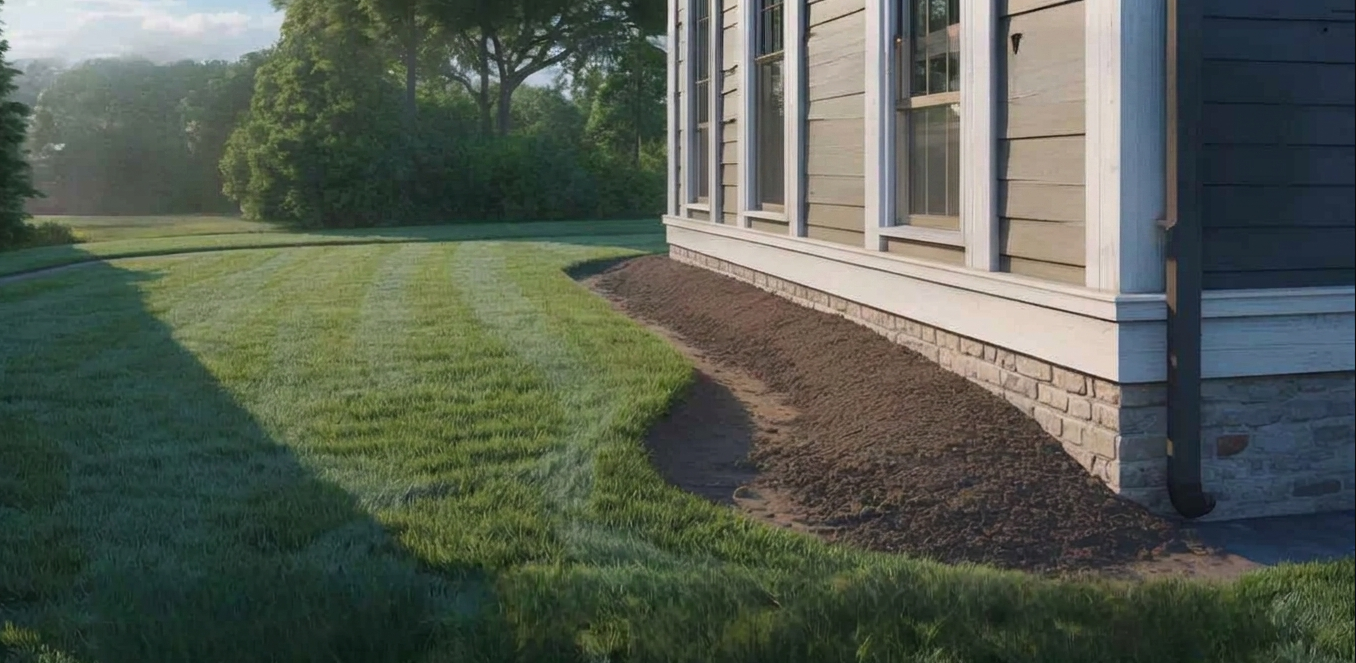
Sloped Ground – Sometimes the shape or rise of your lawn can affect flooding. If water is flowing towards your home the buildup and soaking of the soil will cause leakage. Most home foundations are made with concrete. Concrete is a porous material and water draining towards your house will erode it.
- Prevention – Check that water is flowing away from home and not towards it. The best way to deal with this problem is to call waterproofing professionals.
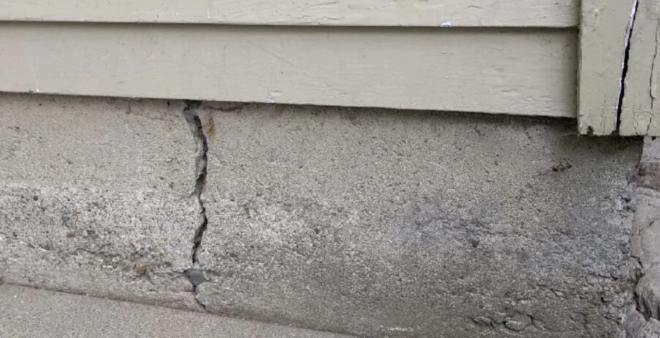
Foundation Cracks – Sometimes cracks appear in a foundation as the concrete hardens which usually is not an issue. The problem arises when there is water close by.
- Prevention – Hire waterproofing professionals to assess and repair the damage.
Cleanup
Let’s face it, no one wants to think about cleaning up a flooded basement. However saying that there may be some who are reading this that don’t know what to do when basement flooding occurs.
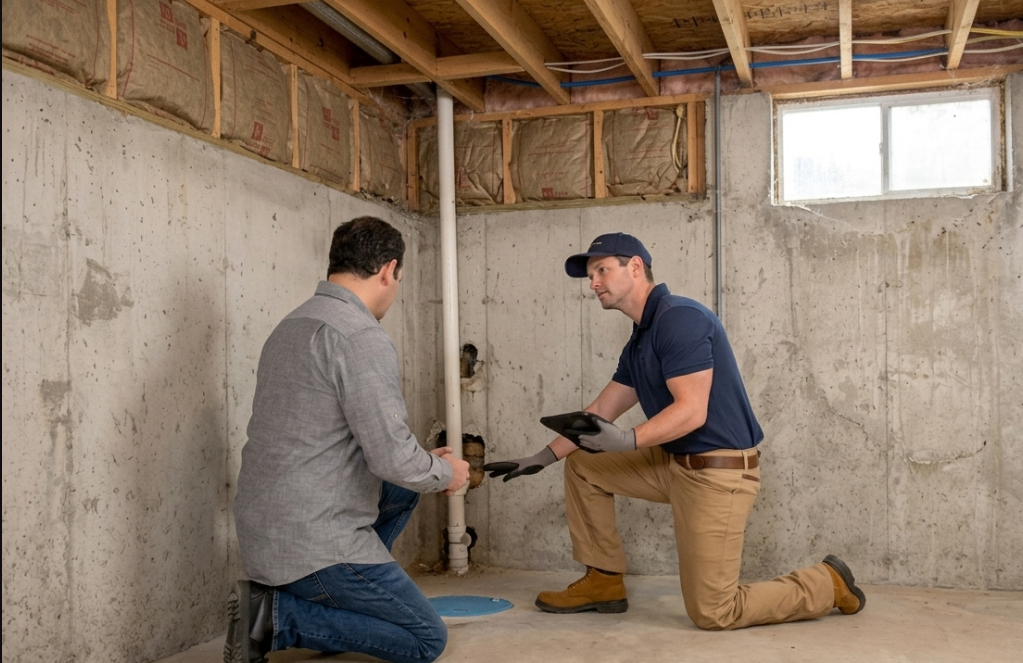
Mop or Pump – The first thing that must be done is to get rid of the water. If a mop will handle the job, then great. In extreme cases pumping the water out is the only solution.
Assess Damages – Now that the water is out, it is time to inspect the damage. Possible damages include:
- Cracked walls –
Cracks may be horizontal, vertical, diagonal or stair-stepped.
- Severe pressure or structural damage is evident by widening cracks and flaking or crumbling concrete.
- Cracks can be spotted both inside and outside of the home. For finished basements, it may not be possible to detect the crack without removing the drywall. They are easily recognizable on unfinished walls in crawl spaces.
- Exterior cracks may be visible during warmer months with close inspection of the foundation walls.
- Buckling walls – Usually caused by hydrostatic pressure. Walls appear to be bowed inward (buckling).
- Peeling paint – Water that seeped through may have lead to bubbling or peeling paint along basement walls.
- Floor damage – The excessive moisture behind and underneath causes floors to expand. Floor tiles or baseboards may appear swollen.
- Efflorescence – White, powdery residue found on basement walls near the floor.
Flooding in a basement is a situation that no homeowner wants to face. Prepare and prevent your home from the threat of water damage. ACCL Waterproofing has the materials and expertise you need to protect your home.
The post Basement Flooding – Prevention & Cleanup appeared first on ACCL Waterproofing.