Basement Flooding – Cleanup & Damage Assessment
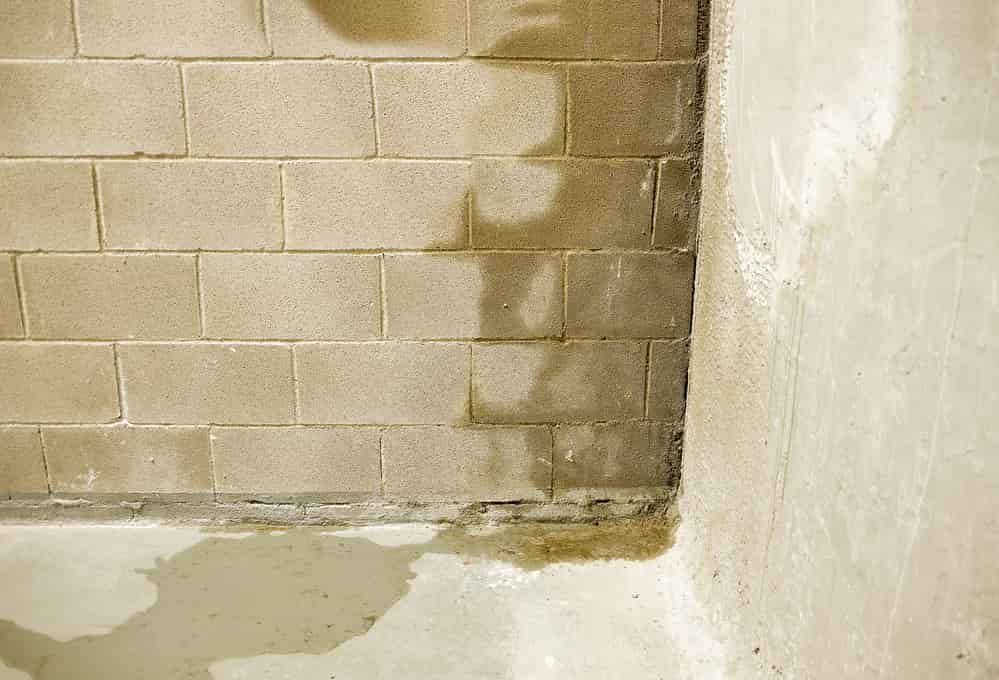
If there is one thing that you dread more than dealing with basement flooding, it is the cleanup and damage that you have to take care of after the fact. Stressful questions that may arise include; How to get the water out? Will your insurance cover the damage? What are serious problems that you should look for? Don’t worry, as scary as those questions may be, we here at ACCL are here to make sure you are prepared.
Before You Get the Water Out
Well, it happened. You or someone you know is dealing with basement flooding. The longer you wait, the worse the damage is going to be.
Stop the Flow of Water – The first thing you will need to do is locate the source that is causing the flooding and cut off the flow.
Cut the Power – Your safety is paramount, and turning off your home’s power will protect you from electricity coming in contact with the flooded area. This is not essential for small leaks.
Insurance Photos – This may not seem important at first but it is in fact very crucial. You want to document the damage done to your basement through photographs and video. This ensures that you have physical proof of flooding for insurance purposes.
Rescue Your Valuables – Quickly remove your most important possessions from the flooded area. Do not spend too long doing so, there is still water to deal with
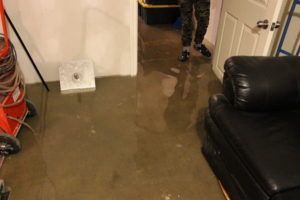
Cleanup
Mop or Pump – With no more water coming in you will want to start mopping or pumping out the water. If a mop will handle the job, then great. In extreme cases, however, pumping the water out is the only solution. If you need power for your pump be sure it is plugged in an outlet safe from water and do use an extension cord.
- When working in a flooded area, be sure to wear rubber boots, gloves, and a mask or respirator.
- Standing water is usually contaminated, so keep children or your pets away from it
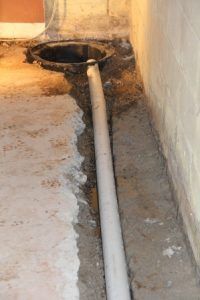
- The lowest part of the floor is where you want to place your pump.
Mud & Debris – You will want to shovel out any mud, as it can contain toxins. Debris that was brought in or left behind must also be dealt with.
Moisture – Even with the water now taken care of there is probably still a fair bit of moisture in the air. Since mold and mildew grow from exposure to moisture you will need to air out that wet area. Dehumidifiers, fans, and open windows are your quickest solutions to this problem. DO NOT use fans or open any windows if mold has begun to grow as the air flow could spread spores.
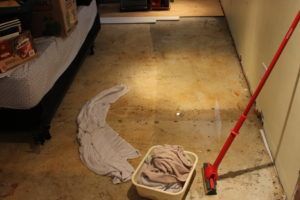
Damage Assessment After Basement Flooding
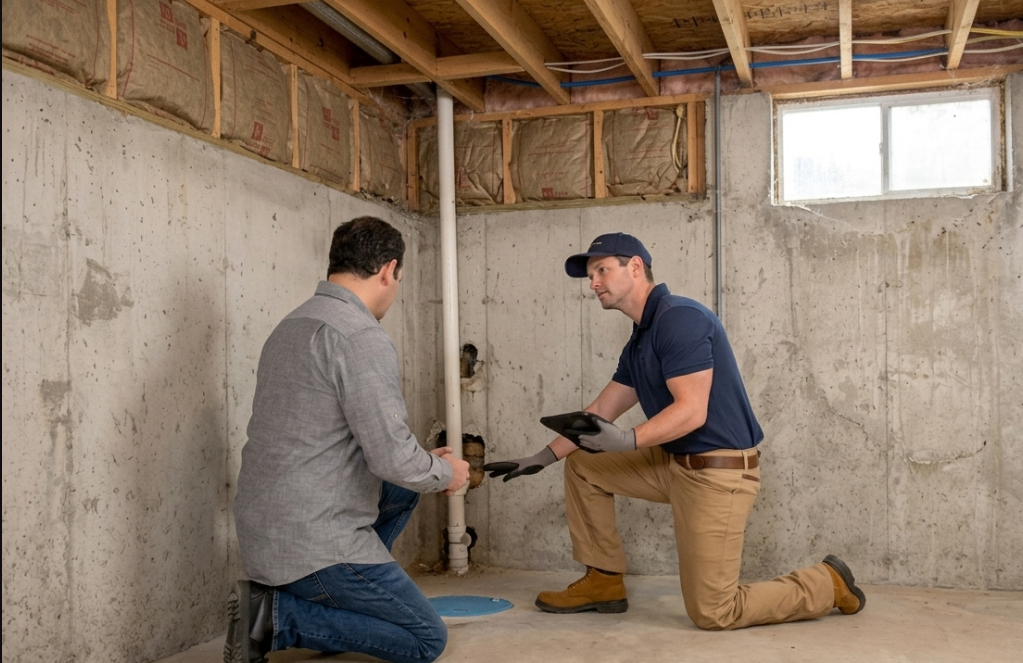
Now that the water is out, it is time to inspect the damage. Possible damages include:
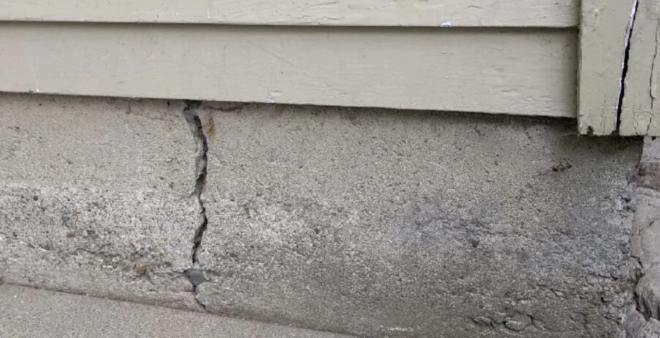
- Cracked walls –
Cracks can take many different shapes; horizontal, vertical, diagonal or stair-stepped.
- Severe pressure or structural damage is evident by widening cracks and flaking or crumbling concrete.
- Cracks can be spotted both inside and outside of the home.
- For finished basements, it may not be possible to detect the crack without removing the drywall.
- They are easily recognizable on unfinished walls in crawl spaces.
- Exterior cracks may be visible during warmer months with close inspection of the foundation walls.
- Buckling walls – Usually caused by hydrostatic pressure. Walls appear to be bowed inward (buckling).
- Peeling paint – Water that seeped through may have lead to bubbling or peeling paint along basement walls.
- Floor damage – The excessive moisture behind and underneath causes floors to expand. Floor tiles or baseboards may appear swollen.
- Efflorescence – White, powdery residue found on basement walls near the floor.
Flooding in a basement is a situation that no homeowner wants to face. Prepare and prevent your home from the threat of water damage. ACCL Waterproofing has the materials and expertise you need to protect your home.
The post Basement Flooding – Cleanup & Damage Assessment appeared first on ACCL Waterproofing.