Window Wells – What is their Importance?
Window wells are small semi-circular corrugated steel or plastic “wall” structures. They are positioned outside basement windows that allow more light to enter. The wells also keep soil and water away from the window. Some window wells also allow you to climb out the basement window in an emergency. They are usually a few feet or a meter deep. The wells are often filled with a small layer of gravel to drain the well. Window wells are both practical and decorative and, require minimal upkeep.
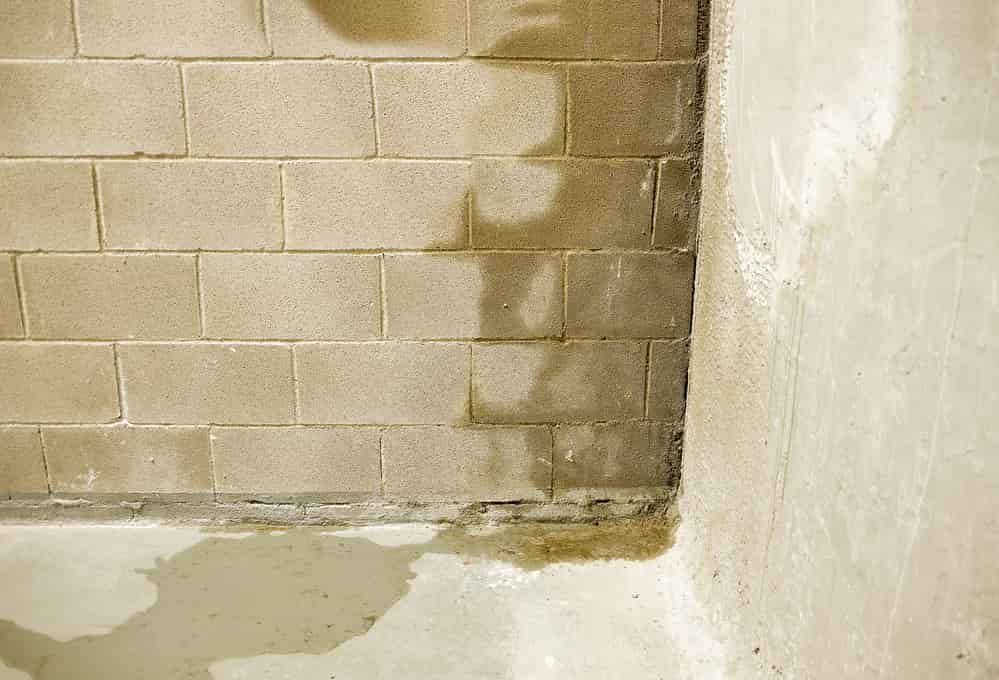
Window wells, when installed below grade on the exterior of a home, must also include a working drainage system. In the absence of drainage, window wells fill up and the water simply pours through the seals of the window and into the basement. Windows are designed to shed water, but they’re not usually waterproof. An actual drain pipe can be installed in the window well. The pipe then takes water down to the perimeter drains, and away from the house.
Window Wells’ Drainage Systems
Exterior Drainage
Installing a drain in your window well involves manually digging down along the basement wall. You generally dig right to the base of the home’s foundation. A drain pipe is then installed to drain water away from the well, instead of filling it up. It extends from about 4″ below the window sill, all the way down to the top of the weeping tile or perimeter drain. Gravel will then be shoveled in so to direct water to the pipe, and to allow any excess water to drain away.
Interior Drainage
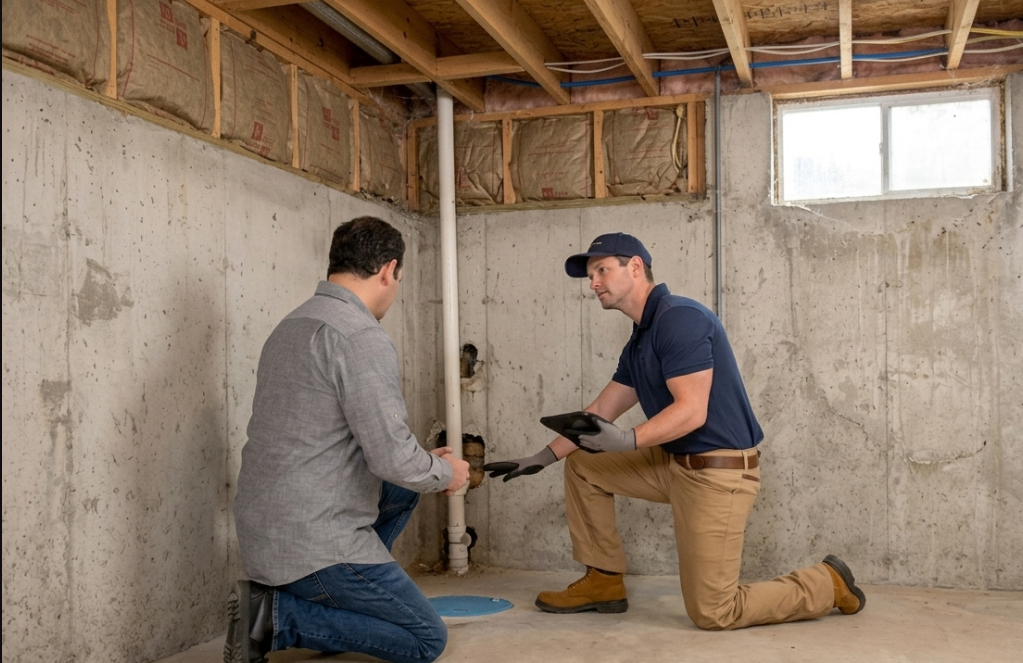
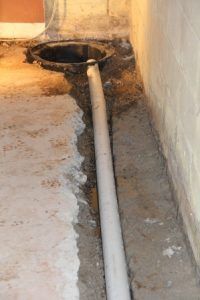
With this method, instead of connecting the drain to your weeping tile or perimeter drain, you will be directing the water inside your house. A hole is drilled through the foundation wall below the window sill. A pipe is placed in the hole, and down the interior wall to connect to a sump pump.
If you haven’t got a drain in your window well, and want to install one, you should seriously consider calling a professional. It’s a fairly major undertaking, and if not done properly, could cause even bigger problems.
The post Window Wells – What is their Importance? appeared first on ACCL Waterproofing.