Sump Pump Failure: Causes, Prevention, and Solutions
ALL ABOUT SUMP PUMP
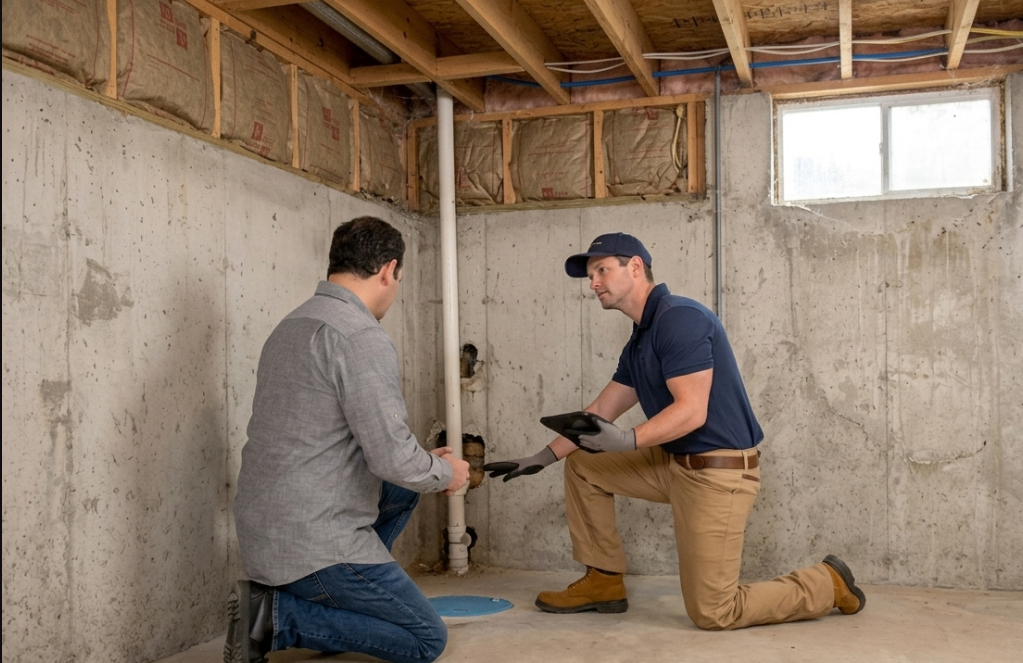
A sump pump is a crucial device that helps prevent water damage in basements and crawl spaces by pumping out accumulated water. However, a sump pump failure can lead to flooding, property damage, and costly repairs. Understanding the causes of sump pump failure and how to prevent it can save homeowners from a disaster.
Common Causes of Sump Pump Failure
Power Failure- A power outage is one of the most common reasons a sump pump stops working. During heavy storms, when you need the pump the most, power outages can render it useless.
Overwhelmed Pump- If a sump pump is undersized for the amount of water it needs to handle, it can become overwhelmed and fail. Additionally, excessive rainfall or groundwater influx can exceed the pump’s capacity.
Clogged Discharge Line- A blocked discharge line can prevent water from being expelled, causing backups and potential pump failure. Debris, ice, or small animals can obstruct the line.
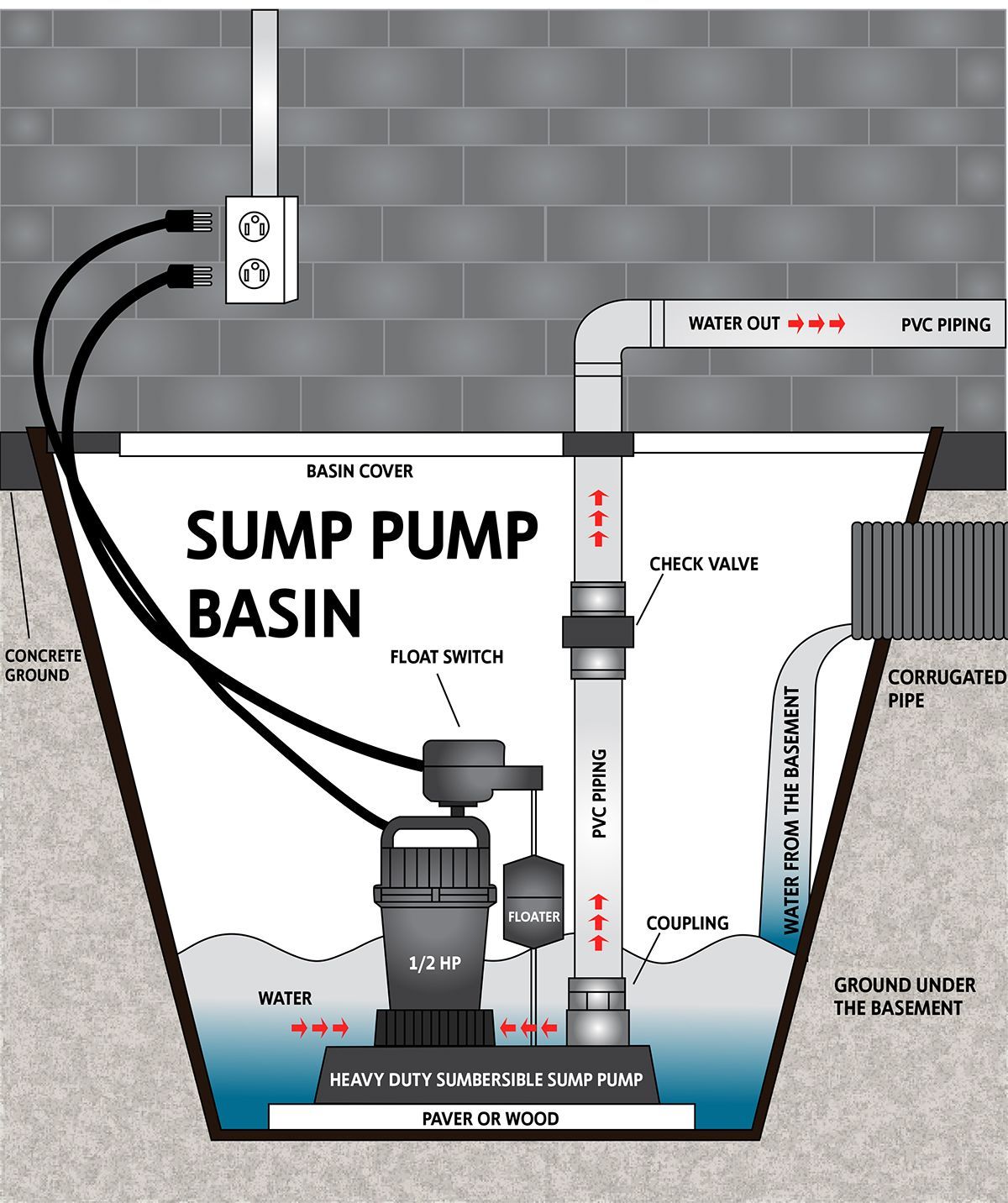
Improper Installation- A poorly installed sump pump may not function correctly. Issues such as incorrect positioning, lack of a check valve, or improper drainage can lead to failure.
Lack of Maintenance- Sump pumps require regular maintenance to ensure they function properly. Dirt and debris can accumulate in the pump, leading to clogs and reduced efficiency.
Old or Worn-Out Pump- Like any mechanical device, sump pumps have a limited lifespan, usually around 7-10 years. An aging pump is more prone to breakdowns and inefficiency.
How to Prevent Sump Pump Failure
Install a Backup Power Source- Having a battery backup or a generator can keep your sump pump running during power outages, preventing flooding when it’s needed most.
Choose the Right Pump Size- Ensure your sump pump is properly sized for your home’s needs. If in doubt, consult a professional to determine the best capacity for your basement.
Keep the Discharge Line Clear- Regularly check and clean the discharge line to remove any debris or blockages. Consider using a discharge line protector to prevent clogs.
Schedule Routine Maintenance- Inspect and test your sump pump at least twice a year. Clean the intake screen, check for unusual noises, and make sure it activates properly.
Install a Secondary Pump- A secondary pump, either a backup battery-powered unit or a second primary pump, can provide additional security in case the main pump fails.
Replace Aging Pumps on Time- If your sump pump is over 7-10 years old, consider replacing it before it fails unexpectedly.
What to Do If Your Sump Pump Fails
If your sump pump stops working, follow these steps:
- Check the power source – Ensure the pump is plugged in and that the circuit breaker hasn’t tripped.
- Inspect for clogs – Check the intake, discharge line, and float switch for obstructions.
- Manually activate the pump – If the pump doesn’t turn on, try pouring water into the pit to see if it triggers.
- Call a professional – If troubleshooting doesn’t work, contact a plumber or sump pump specialist for repairs or replacement.
By understanding and addressing common causes of sump pump failure, homeowners can better protect their basements and avoid costly water damage. Regular maintenance, backup systems, and timely replacements are key to ensuring your sump pump remains reliable when you need it most.
The post Sump Pump Failure: Causes, Prevention, and Solutions appeared first on ACCL Waterproofing.