Why is it necessary to waterproof wood and masonry? – ACCL Waterproofing
Why is it necessary to waterproof wood and masonry?
Weatherproofing wood and masonry protects it from UV radiation, humidity, frost, and insect damage in addition to preventing moisture damage. Waterproofing wood and masonry does not totally protect it from deterioration, but it does extend its life.
Waterproofers bring out the natural color of the wood on your deck or patio while also delivering a clean finish. Even if it’s covered by a porch, all wood exposed to the elements needs to be treated. Waterproofing wood can aid in the prevention of:
- Collecting moisture causes cracks, warping, and cracking.
- UV rays cause discoloration, damage, and breakdown.
- Scratches from deck chairs and foot traffic.
- In damp nooks, mold, mildew, and ground-in dirt from leaves gathered.
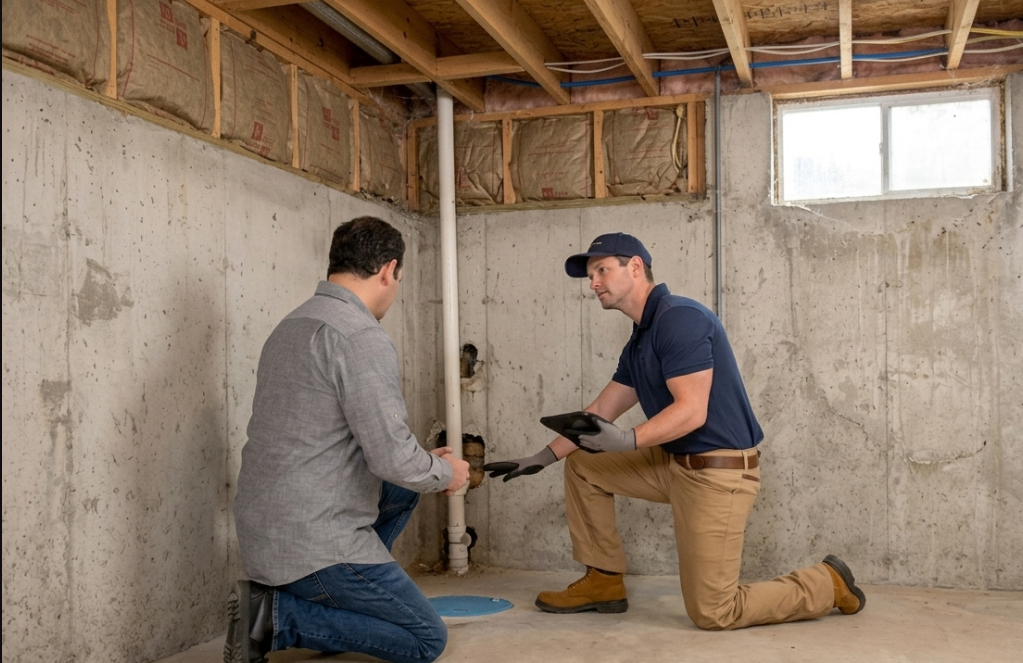
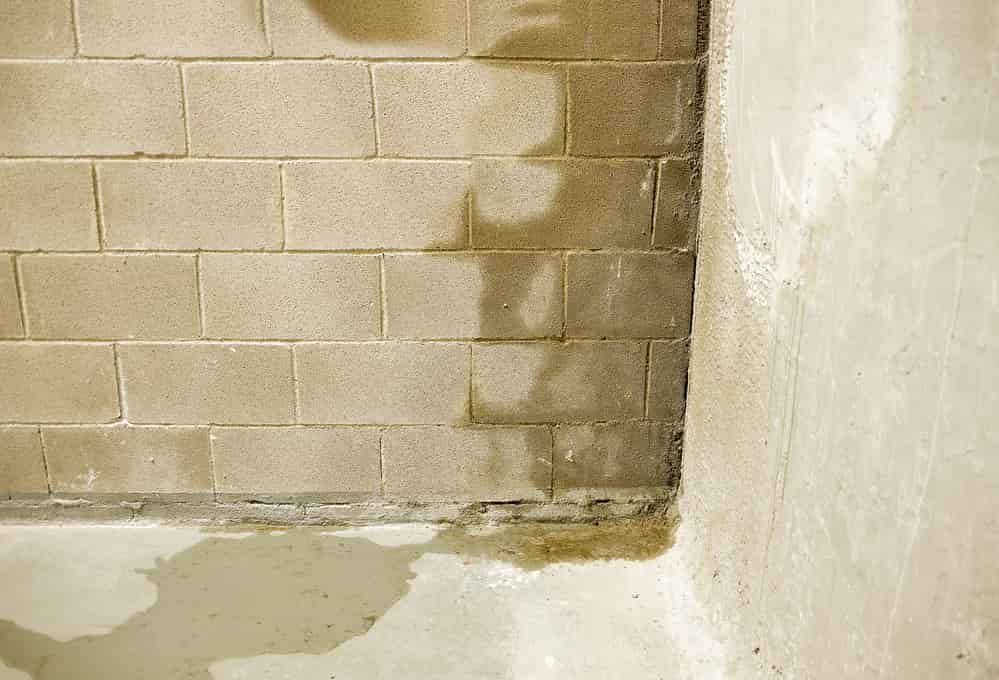
Water does not leak through cracks in basement walls, garage floors, concrete block walls, swimming pools, or fountains when masonry waterproofers are used. The hassles of coping with a wet basement are well-known to most homeowners. Poor workmanship, natural sinking of a house on its foundation, or excessive water pressure are all reasons for water seepage into a basement.
Waterproofing masonry can help you avoid a variety of problems, including:
- By putting up a strong water barrier, you can prevent damage before it happens.
- Water leaks that allow water to get into the house and cause damage.
- Prevents the growth of mold and mildew on basement walls.
- After water damage has occurred, masonry waterproofing can be applied.
Waterproofers come in a variety of shapes and sizes.
Waterproofing products are divided into two categories: stains and sealants. Wood is stained to improve color and make it weather resistant. Sealants keep moisture out of concrete and wood, but they don’t stop water from seeping in from the outside. The sealants are the go-to product for brickwork.
Waterproofers for wood:
- Oil-based stains permeate the wood more deeply than water-based stains. Cleaning is easier with water-based treatments, and they may be used on dry or moist wood.
- Clear waterproofer for wood: These products are created specifically for wood and frequently include mildewcides and UV protection. Clear waterproofers bring out the natural beauty of the wood grain. Every one to two years, reapply.
- Because they contain color, tinted waterproofers for wood contain mildewcides and provide stronger UV protection. The hue or tint brings out the natural beauty of the wood while also allowing the grain to shine through. Every two to three years, reapply.
Waterproofers for masonry:
- Masonry sealers do not provide real waterproofing, but they repel water and allow water vapour to pass through the material. These products can be used on brick, concrete, block, stucco, or any other type of masonry.
- Pigmented masonry waterproofer: Similar to stains, pigmented waterproofers change the color of the brickwork material while also providing waterproofing. These products are suitable for use on any masonry surface.
- Film-forming coatings: These masonry treatments come in a variety of sheens, satins, and glosses, and are similar to paint finishes. When applied, these materials withstand water pressure behind the film they generate. Seal leaky basement walls with film-forming coatings. These products often last the longest as masonry sealers.
Waterproofers for wood and masonry:
Waterproofer that is clear and may be used on both wood and stone to prevent water damage. Mildewcides, pigments, and UV blockers are not included. If you use this product on wood, it will weather to a grey color over time.
How to Make Wood Waterproof
Wood surfaces that have been properly weatherproofed may last longer. Waterproofing wood lasts for a long time, but it must be reapplied every few years to maintain its moisture resistance. Here’s how to protect wood from the elements:
- Clean the surface: Cleaning the surface is the first step in weatherproofing wood. A clean surface allows for a more effective seal. To eliminate dirt, mold, or mildew, use a basic cleanser. Before moving on to the following step, make sure the wood surfaces are totally dry. If the wood is brand new, you can skip the cleaning step.
- Sand down the wood: After the surface has dried, sand it down using coarse sandpaper or a sander to remove any defects. To make it smooth and even, sand it with finer sandpaper. To remove any sanding residue, thoroughly wipe the surface.
- Select the appropriate stain or sealant: The majority of sealants and stains are sold for the specific use. Choose the one that makes the most sense for your surface.
- The first coat should be applied as follows: Using a brush or a sprayer, evenly apply the sealer or stain. Allow four to ten hours for the surface to dry, depending on the product’s recommendations.
- Sand the surface: You’ll need to apply numerous coats of stain or sealant to provide an effective waterproof barrier. Between applications, sanding will help the following layer adhere better. Sand the surface with very fine sandpaper or “0000” steel wool. To prepare for the second coat, wipe the surface off with a dry cloth once more.
- Apply the second coat as follows: Allow another four to twelve hours for the stain or sealant to dry. If necessary, sand and reapply waterproofing.
- Allow it to cure: Before utilizing it or putting any furniture on top of it, the wood needs to cure for three days.
Masonry Waterproofing Techniques
Moisture can cause brick, stone, and concrete to deteriorate. Masonry walls can be found on the outside or in basements of many homes. They act as a moisture barrier between the outside and the inside of your home. Fortunately, waterproofing stone surfaces – as well as the interior of your home – is simple. The following are instructions for waterproofing masonry:
- Determine the extent of any existing water damage: On concrete blocks or walls, look for white chalky streaks. These are calcium salt deposits or efflorescence brought to the surface by water. Before putting a new coat of sealer, this must be removed. Wash efflorescence with a stiff brush and water to remove it. If that doesn’t work, try mixing in a small amount of mild cleaning detergent.
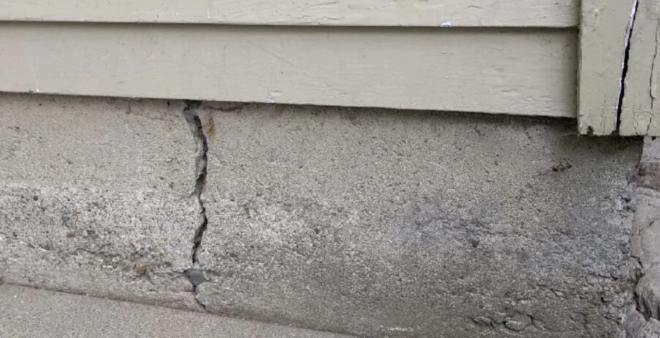
- Check for holes and cracks: If the surface is free of holes and cracks, it’s ready for waterproofing. Before applying waterproofer to a damaged surface, fix any holes or big cracks.
- Remove any existing paint or coatings on the stonework by scraping, sandblasting, sanding, wire-brushing, pressure washing, chemicals, or a combination of these methods. You can speed up the procedure by using paint stripper and remover. Only bare brickwork adheres to masonry sealant. Before applying the sealer, you must first remove the paint.
- Clean the surface with a power washer or a cleaning solution to get rid of mold, mildew, and grime. Allow time for it to dry completely.
- Repair the surface: Use a waterproofing mix to fill up hairline cracks. Larger cracks can be repaired by cleaning them out and repairing them with mortar.
- Spray the masonry with a fine mist before applying the waterproofer.
- Apply the sealant as follows: Apply a thick coat of sealant to the masonry surface. Make sure to get the sealant into the surface’s cracks and fissures. It’s recommended to use a masonry-specific paint roller or brush.
- Allow it to dry: Allow for a minimum of 12 hours of drying time between applications.
- Apply a second coat of sealant and let it dry before continuing.
- Paint: You can now use any color you choose to paint the surface. Remember that you’ll have to remove that paint layer if you need to re-apply sealing in a few years.
Take advantage of the warmer summer months to have us look at your basement and help you determine how best to address your basement leakage problems.

Get the job done RIGHT – Hire a professional Waterproofing company!
Want to know more about our waterproofing process? Give us a call at 416-759-2995
Rely On our ACCL Wet Basement Waterproofing Experts
Don’t Drown in a wet basement!
Rely On Wet Basement Waterproofing Experts in Toronto
If you’ve noticed foundation cracks, spots, water, mold, and mildew, don’t ignore the signs or it could lead to more damage and possible health effects.
The basement waterproofing specialists at ACCL Waterproofing know how to repair your basement and foundation walls and keep moisture out of your basement. We would be pleased to develop a guaranteed solution to keep your basement dry!
The post Why is it necessary to waterproof wood and masonry? – ACCL Waterproofing appeared first on ACCL Waterproofing.