Dampproofing vs Waterproofing – ACCL Waterproofing
Dampproofing vs Waterproofing – ACCL Waterproofing
Dampproofing and Waterproofing:
The terms dampproofing and waterproofing are not interchangeable. Dampproofing is designed to keep soil moisture out, whereas waterproofing is designed to keep both moisture and liquid water out.
For many years, buildings have been dampproofed, a process that was sometimes wrongly referred to as waterproofing. Dampproofing is an asphalt-based coating that is sprayed on or applied by hand to the outside of the wall.
Despite the fact that it is less usually advised in modern home construction, it is nevertheless a viable treatment option in many cases. The inability to repair bigger fractures or holes left by form ties, as well as the risk of damage from coarse or sloppy backfill, are some of the disadvantages.
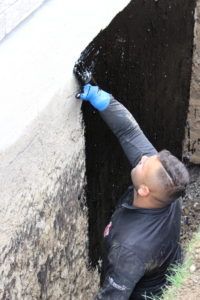
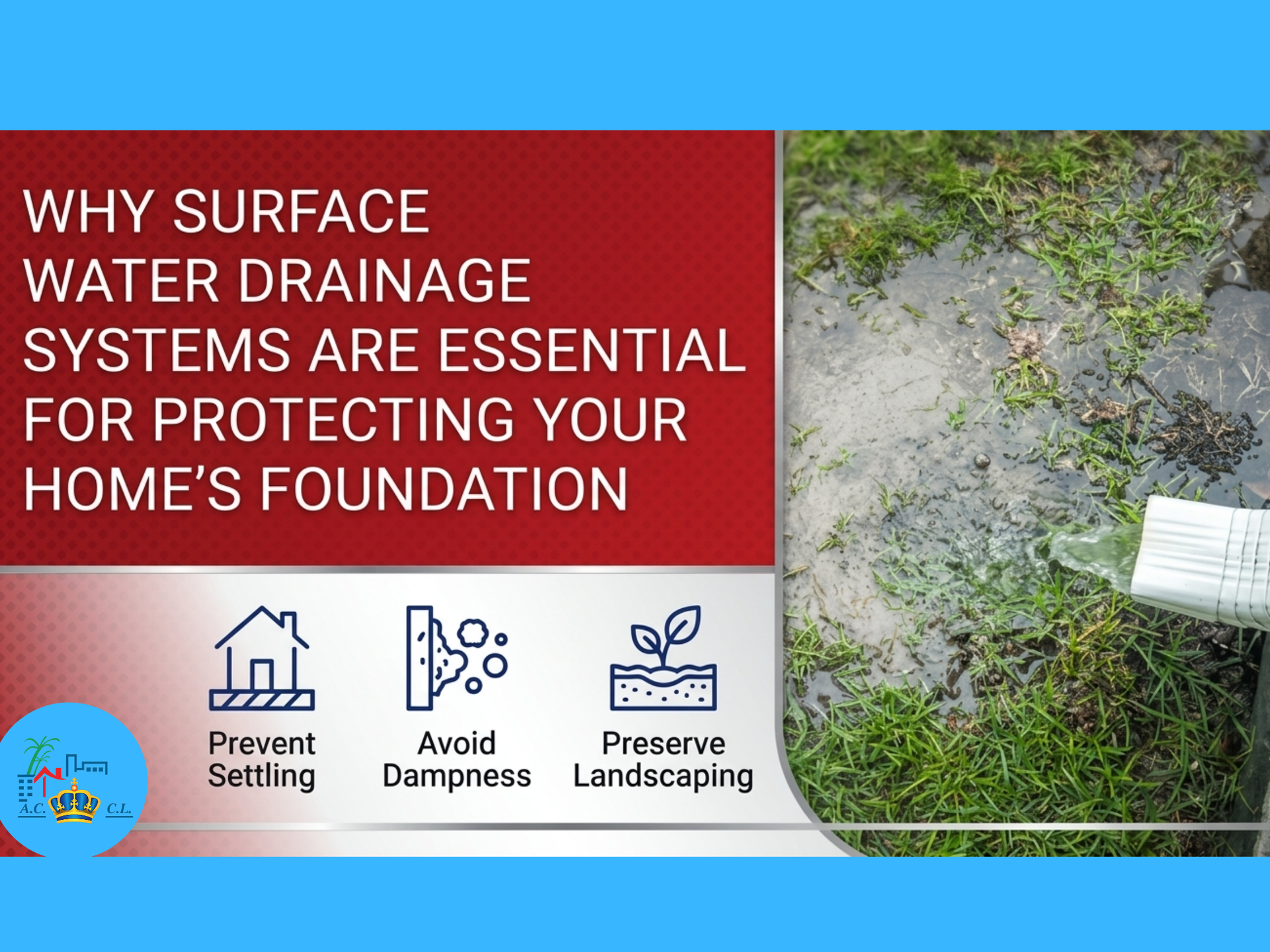
However, dampproofing can provide appropriate and long-lasting protection for many crawl spaces and basements with proper surface drainage, properly placed foundation drains at the footing, and the absence of hydrostatic pressure to promote water infiltration.
Waterproofing a foundation necessitates the same attention to detail as dampproofing in terms of surface treatment and drain pipe, but is far more demanding in terms of wall treatment.
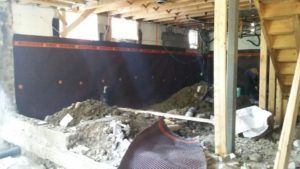
Obviously, if there’s any doubt about whether dampproofing would suffice, it’s advisable to take the extra time and money to waterproof, especially if the space is to be used as a living space. Local factors can influence which option is best for limiting water penetration.
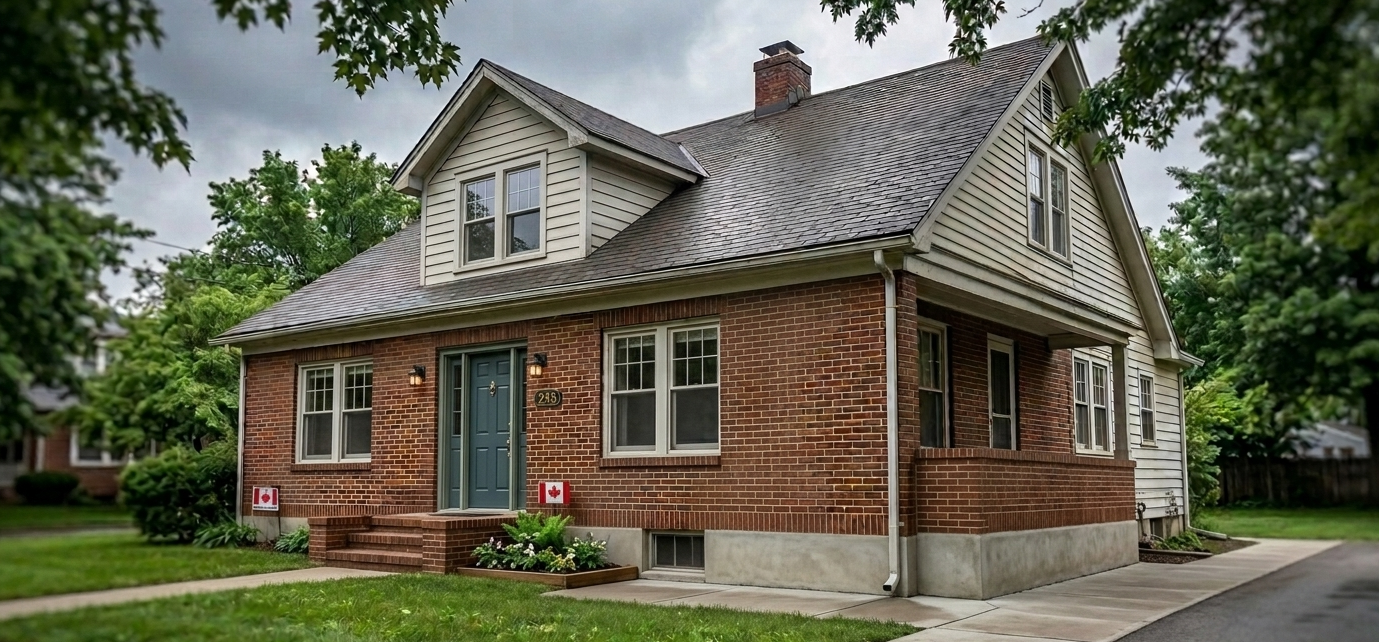
Basements with foundation walls as high as 10 feet are common in locations with drier temperatures and lower water tables. Slab-on-grade foundations are more typical in places with high annual rainfall, high water tables, and no frost in the soil. Even these foundations, however, require protection to prevent moisture from migrating up through the slab from the ground.
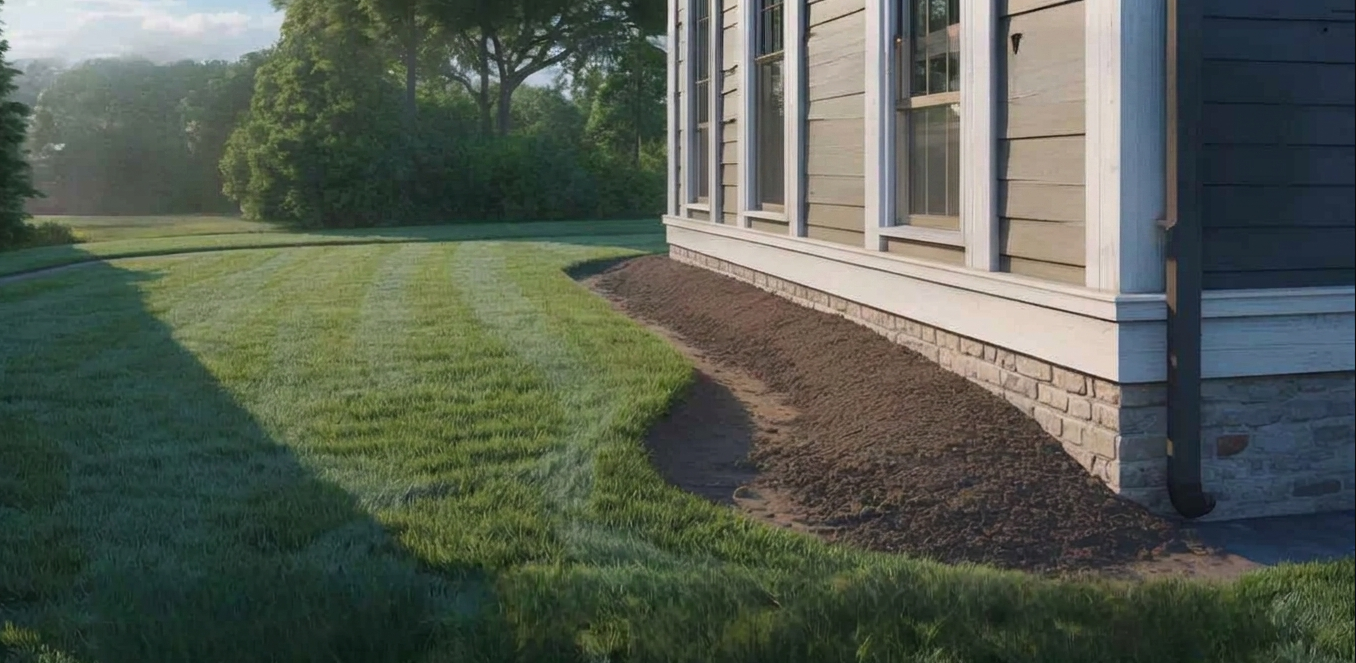
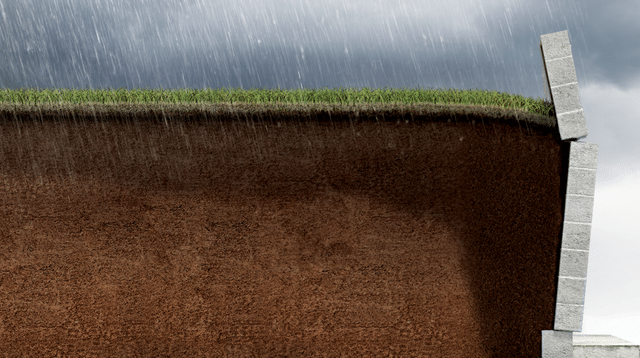
In the absence of neighboring well-drained soil, a walkout basement dug into the slope of a hill has an excellent opportunity to use gravity to carry sub-surface water away, but a full basement on the flats in a wet location may have to consider mechanical measures.
The depth of the foundation wall and the utilization of the internal space will, of course, influence the method selection. A 36-inch frost wall built on well-drained soil with a gravity drain is a suitable choice for damp-proofing an unheated crawlspace.
A fully waterproofed foundation wall system might be chosen by the house next door, which has a 10-foot-high foundation wall and a finished basement.
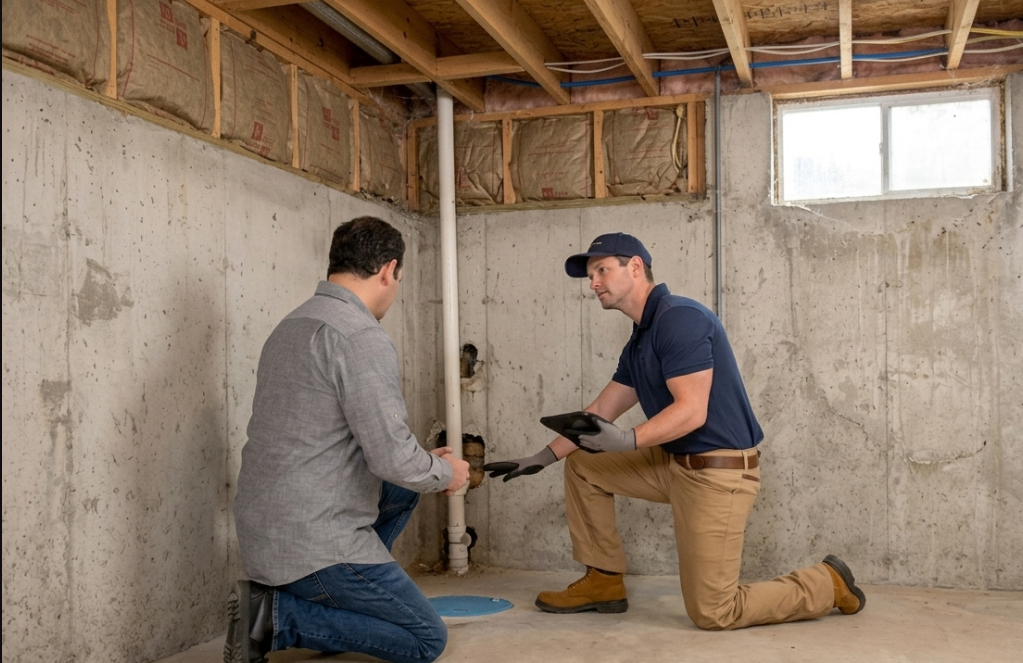
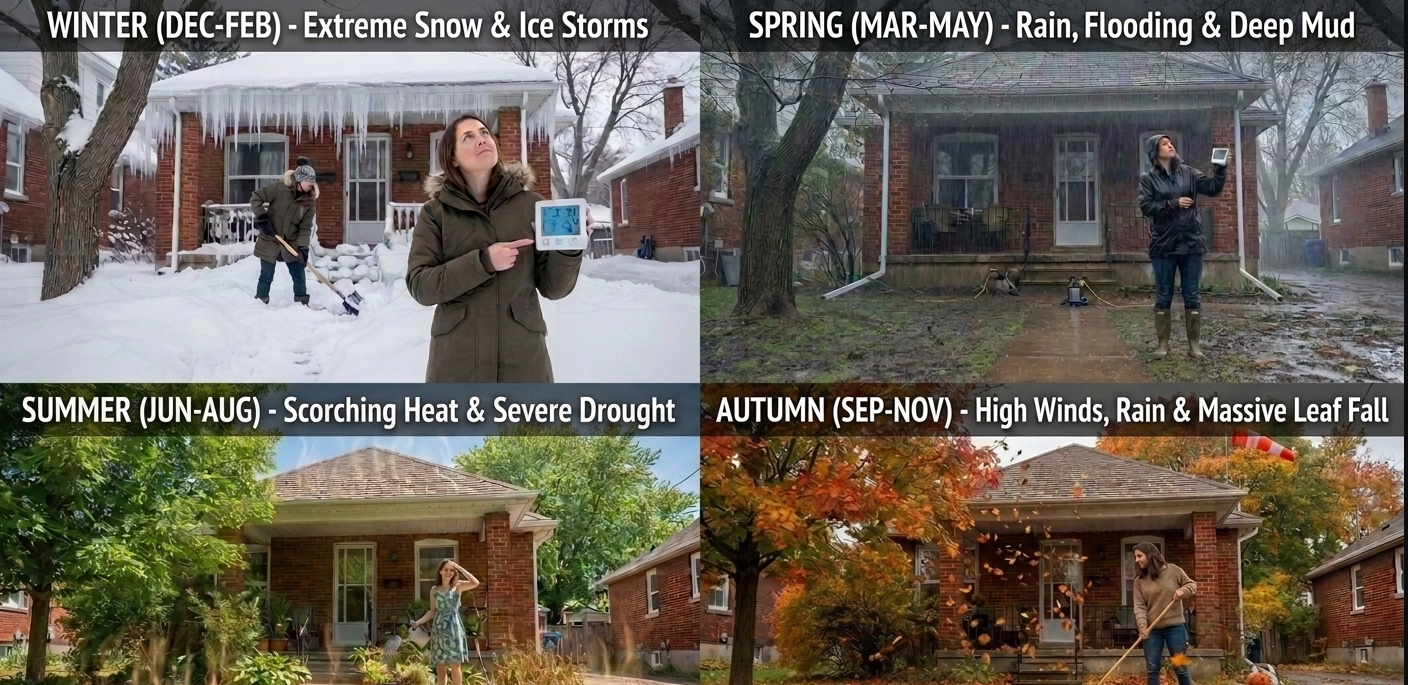
Take advantage of the warmer summer months to have us look at your basement and help you determine how best to address your basement leakage problems.

Get the job done RIGHT – Hire a professional Waterproofing company!
Want to know more about our waterproofing process? Give us a call at 416-759-2995
Rely On our ACCL Wet Basement Waterproofing Experts
Don’t Drown in a wet basement!
Rely On Wet Basement Waterproofing Experts in Toronto
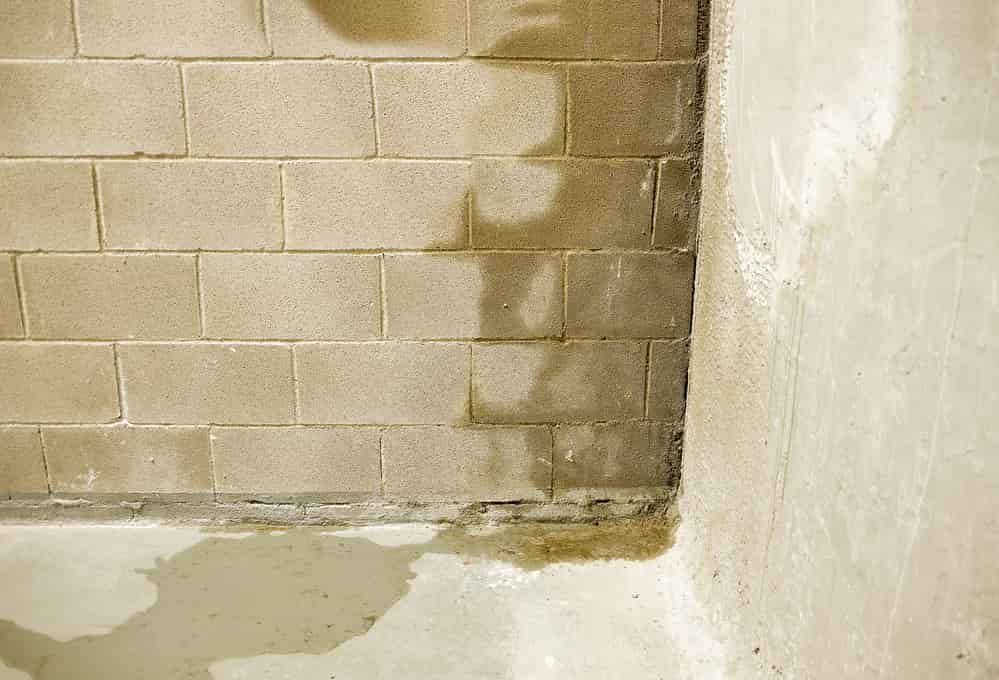
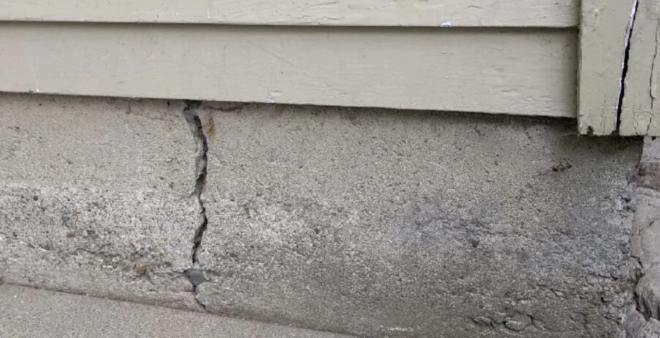
If you’ve noticed foundation cracks, spots, water, mold, and mildew, don’t ignore the signs or it could lead to more damage and possible health effects.
The basement waterproofing specialists at ACCL Waterproofing know how to repair your basement and foundation walls and keep moisture out of your basement. We would be pleased to develop a guaranteed solution to keep your basement dry!
The post Dampproofing vs Waterproofing – ACCL Waterproofing appeared first on ACCL Waterproofing.