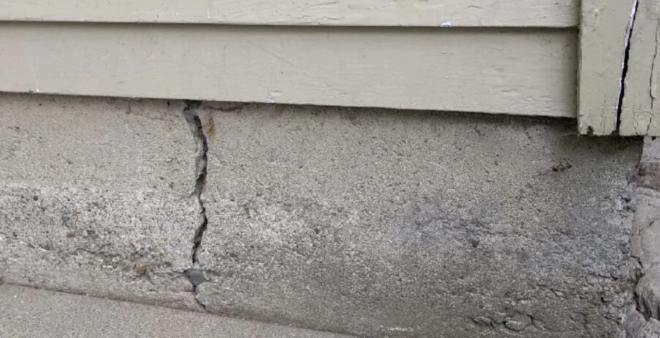
When Do You Need A Sump Pump?

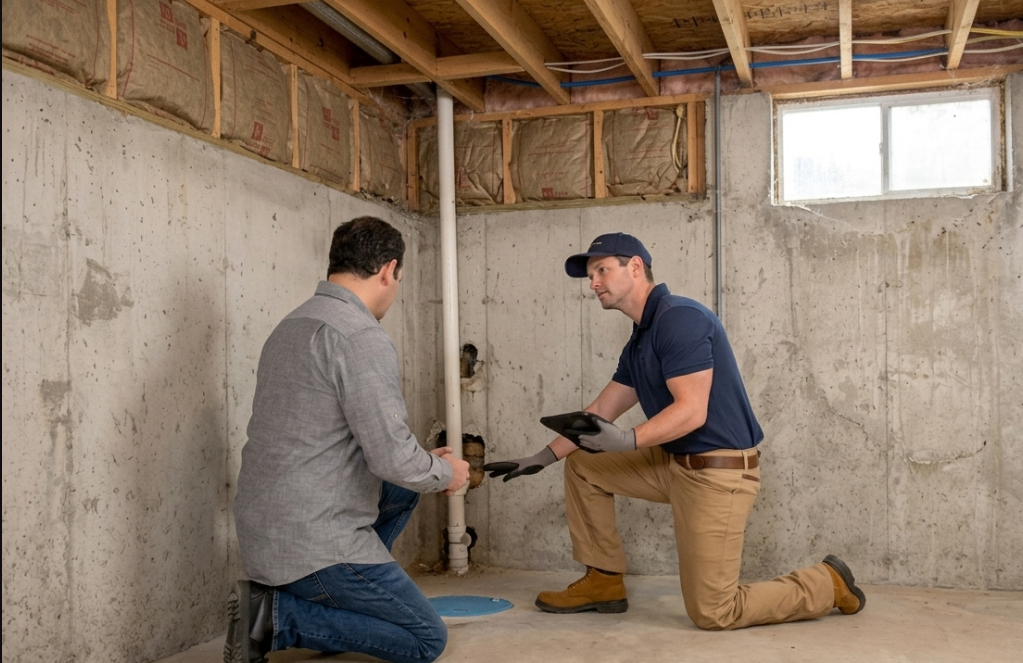
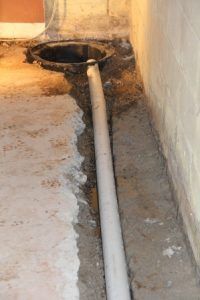
A sump pump is a mechanism installed in the lowest point of your house, such as the basement or a crawl space, to help prevent the risk of your basement flooding.
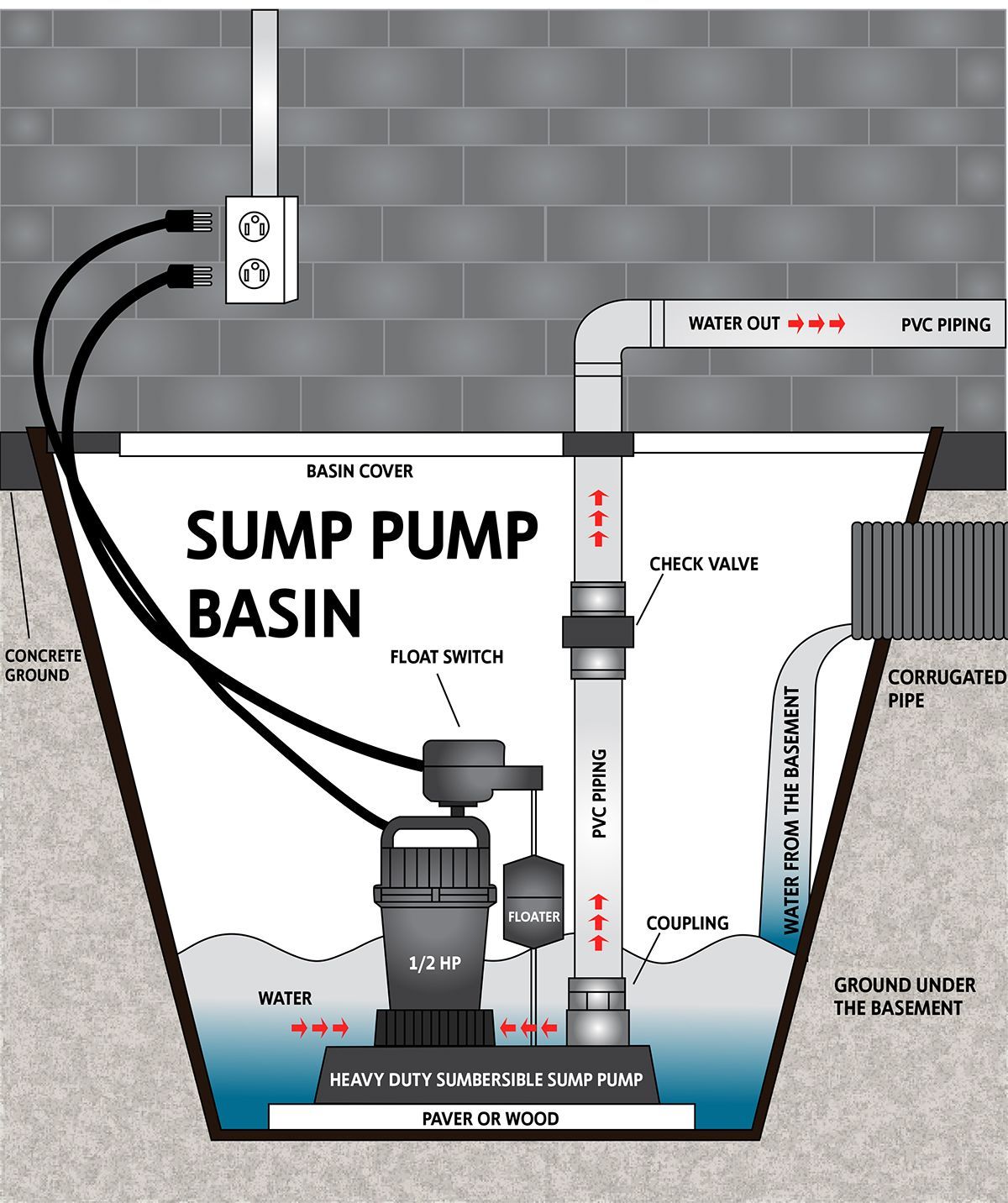
How does it work?
When the ground becomes overly saturated with water from a rainfall or natural ground water, the excess water travel towards the sump pit where it begins to fill with water. The water triggers the float switch to activate and to start pumping water out. The water is pumped out to a nearby storm drain, dry well or detention pond. The sump pump prevents water from accumulating in your basement, which would ultimately cause a flood.
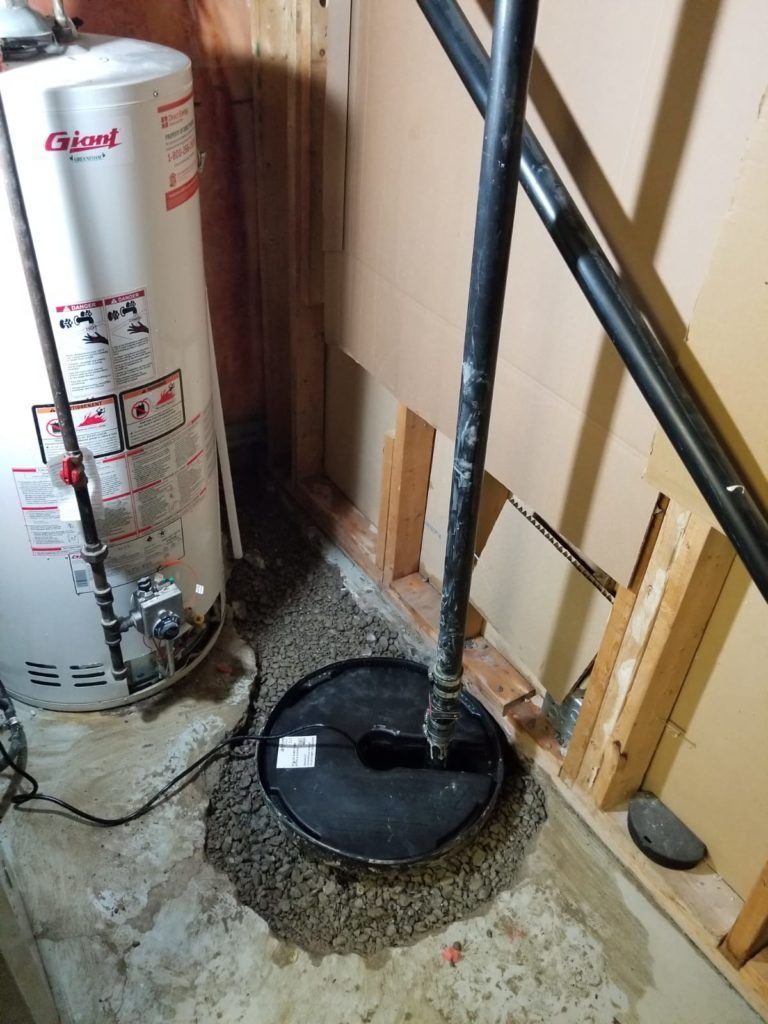
What are the benefits of a sump pump?
- Defense against flooding in your basement
- Protects the floor and walls from water damage
- Protects any basement appliances from water damage
- Reduces the risk of mold and mildew from growing
- Prevents the infestation of bugs and insects
- Protects the foundation of your home
- May be a requirement for your homeowner’s insurance
Do I need a sump pump?
If any of the following statements seem to fit your conditions, you may want to strongly consider installing one.
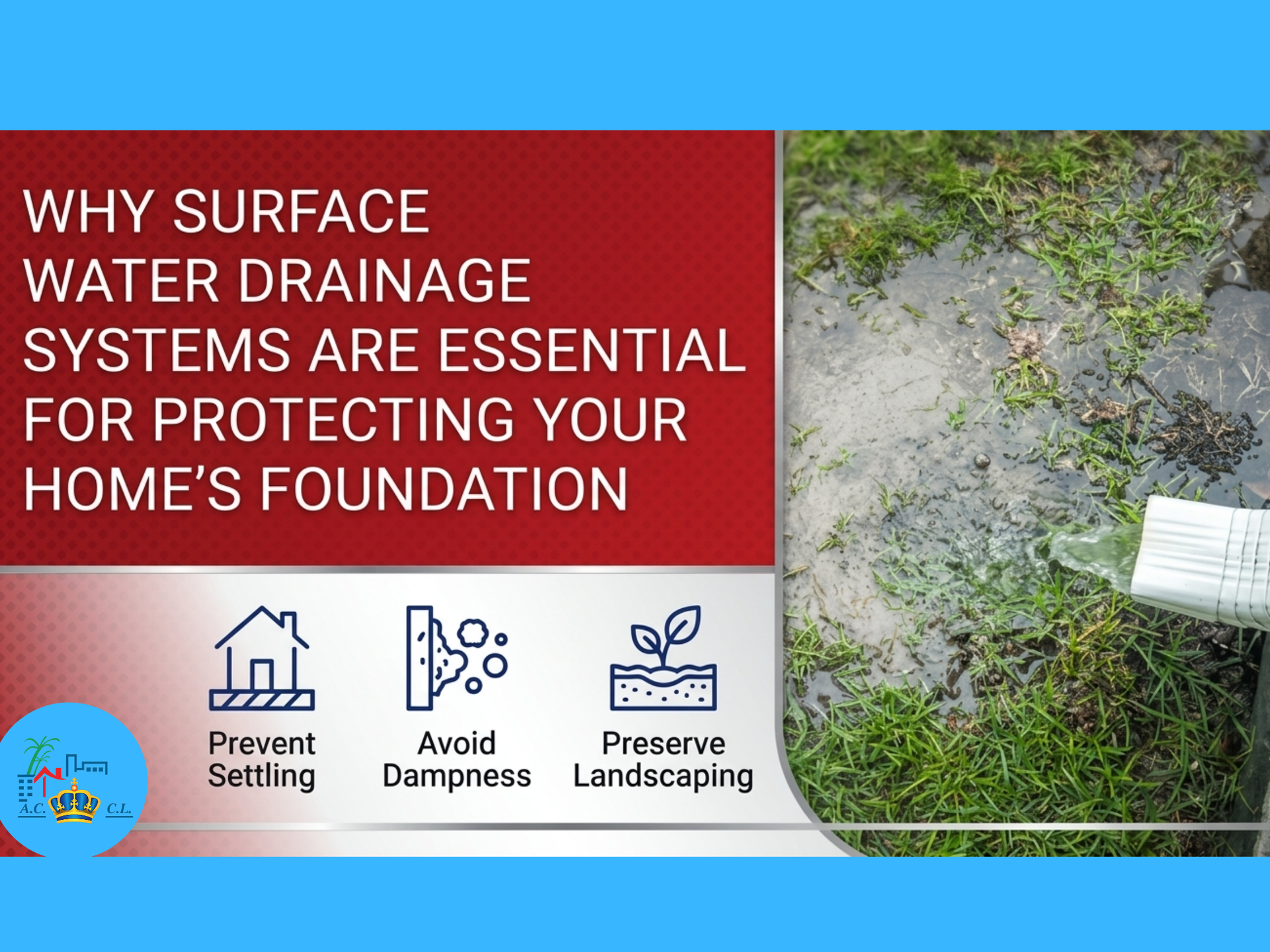
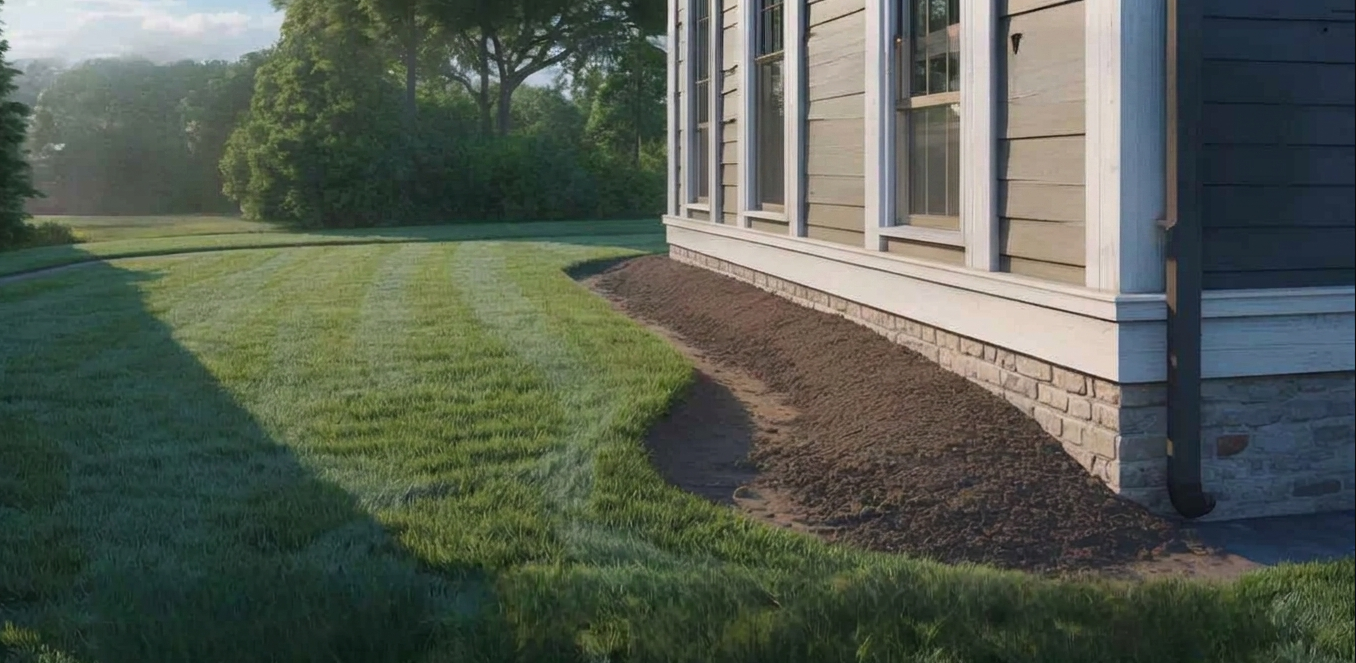
- If your property tends to get flooded due to poor draining soil or ineffective grading
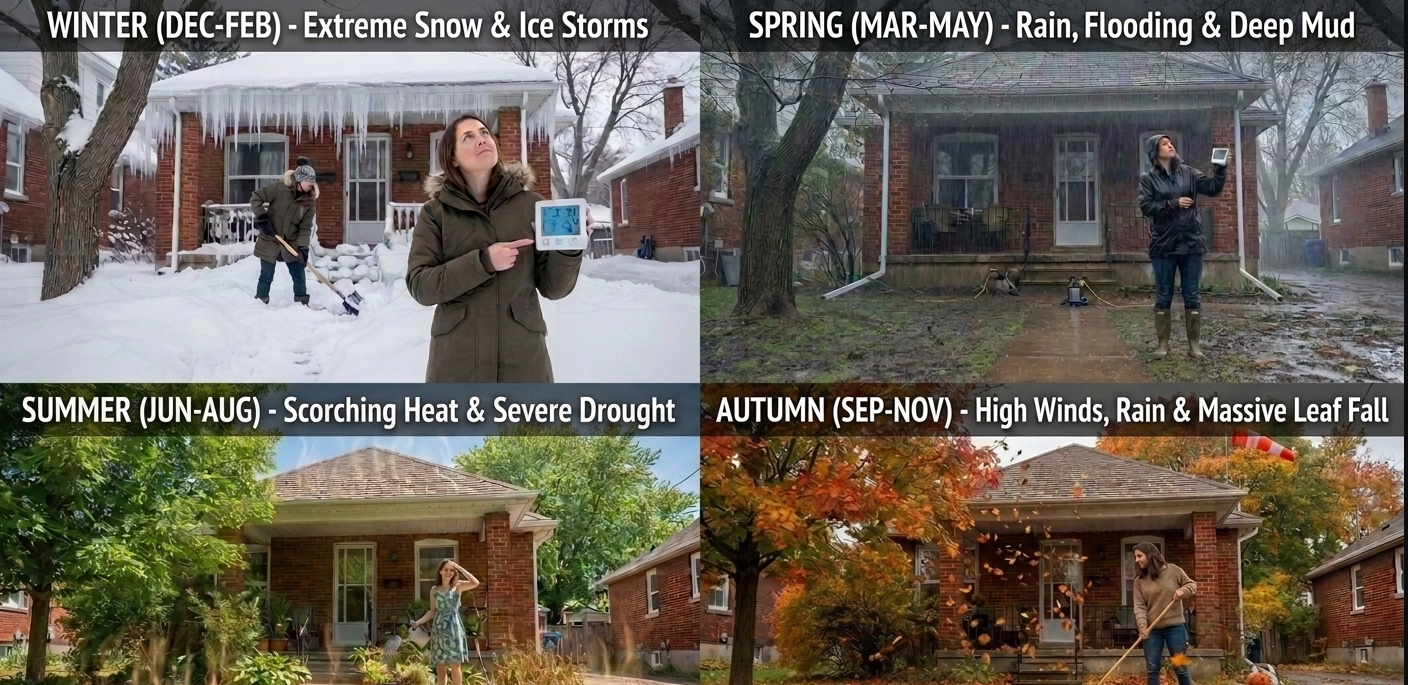
- The climate you live in tends to have a heavier rain and snow fall than normal
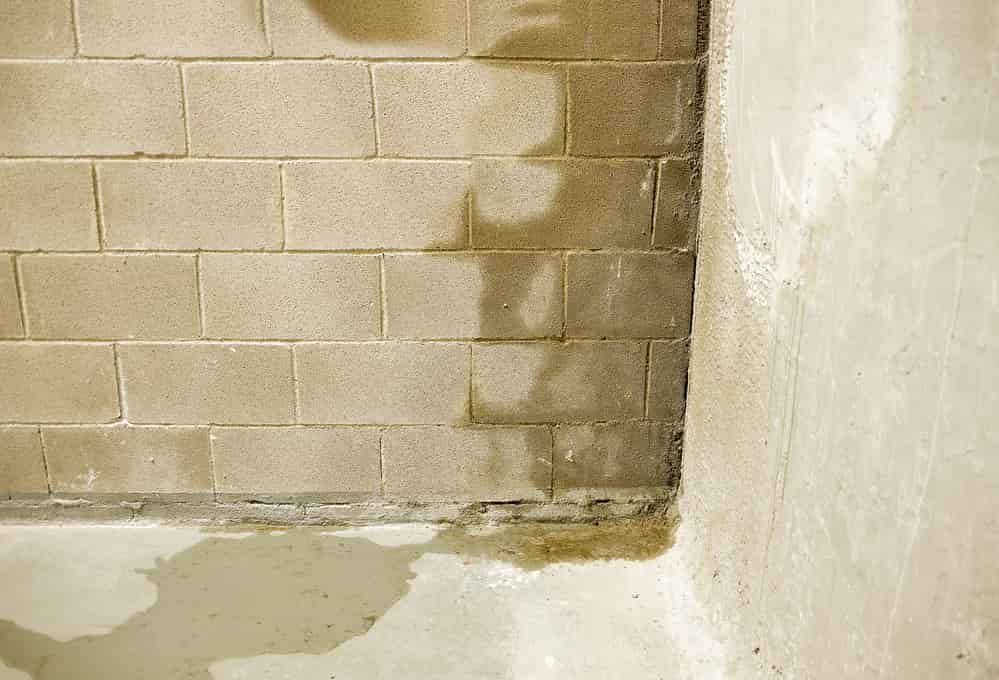
- If you have experienced water accumulating in your basement in the past
- If you have a finished basement and would like to protect your living space
Maintenance
Sump pump and sump pits must be properly maintained. They should be inspected at least once a year to ensure they are in proper working order. Dirt, gravel, sand, and other debris should be cleaned from the mechanism to guarantee that it is running efficiently. An obstructed pump will work harder and have a greater chance of overheating and failing.
Sump Pump Installation
If you are considering of having a sump pump installed in your home and would like a free home estimate, please contact ACCL Waterproofing at 905-448-5909 or info@acclwaterproofing.ca
The post When Do You Need A Sump Pump? appeared first on ACCL Waterproofing.