Basement Waterproofing – The Weeping Tile System

A weeping tile system is a 4-inch porous pipe. Other names include drain, perimeter tile or corrugated drain pipe used for underground water collection or discharge. It was named around the time when terracotta (clay) was the typical material used for drain pipes. The weeping tile system was made up of short lengths of clay tube that was laid end to end. Water would get into the system through the gaps between the pieces of pipe and flow away. There were many problems with the clay weeping tile system:

  • They would crush and break over time due to pressure
  • Tree roots also infiltrated the weeping tile often breaking or plugging it
  • Soil movement due to frost also shifted sections of the weeping tile so they no longer were able to connect
  • Clay weeping tile systems stopped working after a few decades.
The Weeping Tile System Used Today

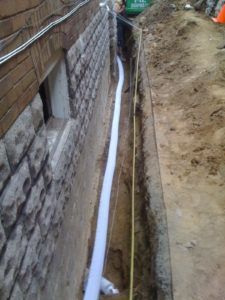
The modern weeping tile of today is a plastic pipe with small slits or holes in it. It is designed to redirect water away from the home so that your foundation and basement walls remain intact. The system is usually covered with a “sock” or net to prevent silt and soil from filling the tube over time. If soil were to enter, the buildup would eventually block the drain and render the weeping tile useless.

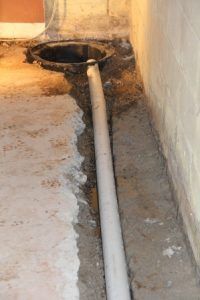
The concept for how a weeping tile system works is actually quite simple . The weeping tile is buried and surrounded by coarse material (for example gravel) larger than the slits. The coarse material prevents excessive soil from falling through the slits into the weeping tile. The weeping tile is placed, holes side up, into a trench around the outside perimeter of the home or inside under the basement floor. As the ground water rises, it flows through the holes in the weeping tile. The water then drains or follows the pipe’s incline into a solid pipe leading to a discharge away from the house or directly into a sump which is then removed by a sump pump.

It is often used for water drainage near basement foundations as a part of basement waterproofing often called a French drain. The weeping tile system can be used anywhere soil needs to be drained.

By Fernando Rebeles June 25, 2026
Many homeowners believe that applying a waterproof coating to a foundation wall is enough to keep water out of their basement. While waterproofing membranes play a critical role in preventing water penetration, the most effective exterior waterproofing systems combine a waterproof membrane with a drainage board.  Together, these components create a complete defense system that protects your foundation from moisture, hydrostatic pressure, and long-term structural damage.
By Fernando Rebeles June 18, 2026
Water is leaking in the basement
By Fernando Rebeles June 10, 2026
Water damage often starts silently behind walls and foundations. Learn how hidden moisture affects your home and how waterproofing prevents costly repairs and mold growth.
By Fernando Rebeles June 9, 2026
Basement waterproofing is most effective before damage occurs. Learn how early prevention protects your foundation, reduces repair costs, and prevents mold growth.
By Fernando Rebeles June 9, 2026
Rainy days ahead....
By Fernando Rebeles April 9, 2026
Spring Has Arrived. Is Your Basement Ready?
basement moisture prevention Ontario, basement waterproofing Ontario, prevent basement dampness, wet
By Fernando Rebeles February 25, 2026
Prevent basement moisture in Southern Ontario year-round. Learn tips to keep your basement dry, safe, and avoid costly water damage today!
By Nkeiruka Iro July 24, 2025
Basements are a valuable part of any home, providing additional space for storage, entertainment, or even living areas. However, basements are also prone to water damage, mold, and mildew due to their underground location. One effective way to protect your basement and enhance its durability... The post The Benefits of Coating Your Basement appeared first on ACCL Waterproofing.
By Nkeiruka Iro July 24, 2025
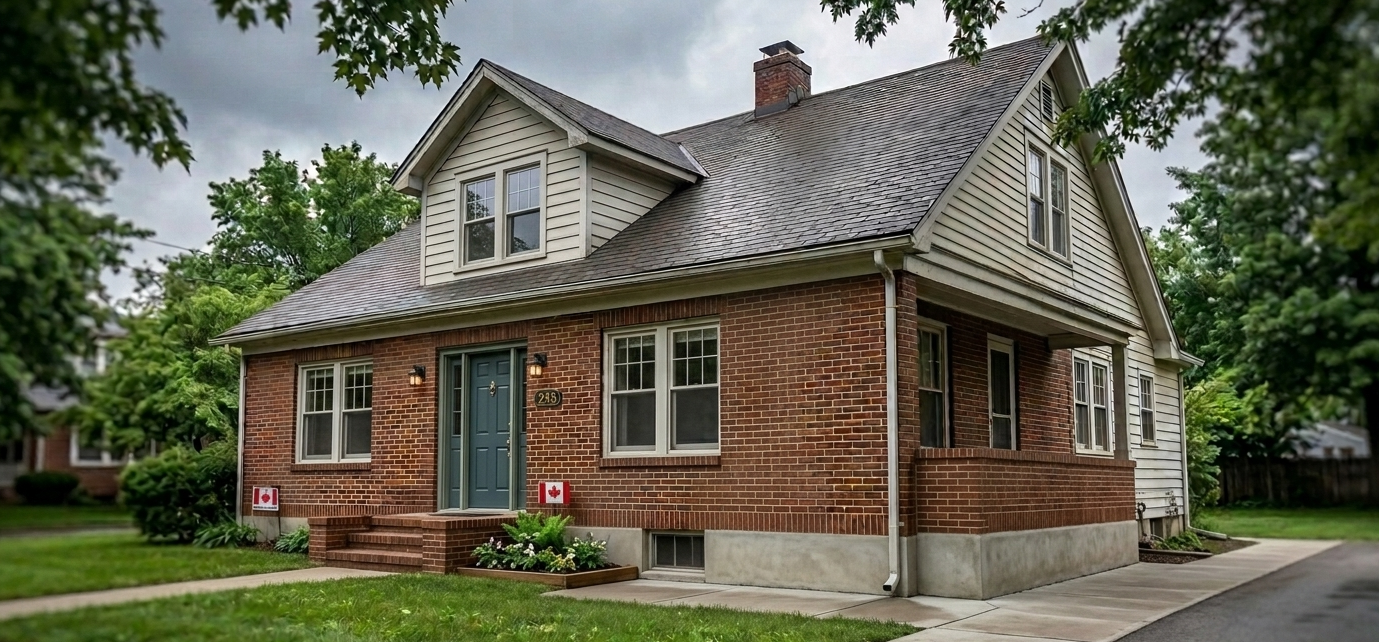
Waterproofing is a crucial step in protecting buildings and structures from water damage. However, waterproofing systems can degrade over time due to various factors such as weather conditions, wear and tear, and poor maintenance. To ensure that your waterproofing lasts longer, here are some tips... The post Making Waterproofing Last Longer: Tips and Strategies appeared first on ACCL Waterproofing.
By Nkeiruka Iro July 23, 2025
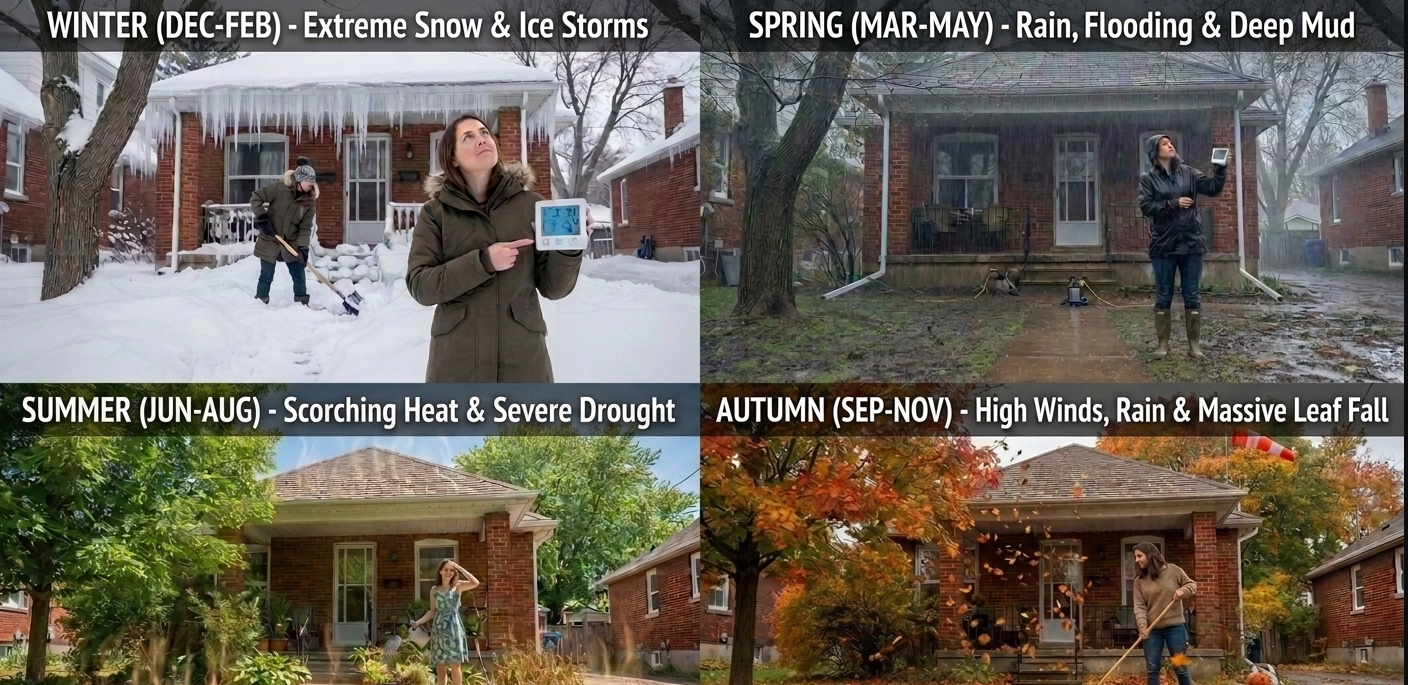
Layering is a crucial concept in waterproofing, involving the application of multiple layers of materials to create a robust and effective barrier against water penetration. In this article, we’ll explore the importance of layering in waterproofing, the different types of layers, and best practices for... The post Layering in Waterproofing: A Key to Effective Protection appeared first on ACCL Waterproofing.