Waterproofing Materials: Protecting Your Home from Water Damage
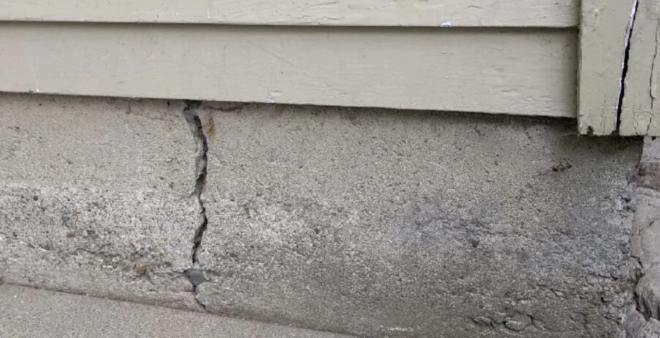
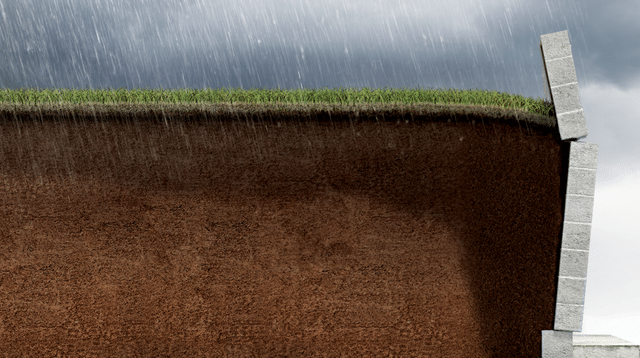
Water damage can be a costly and stressful issue for homeowners, causing structural problems, mold growth, and other issues. Waterproofing materials are designed to prevent water from penetrating surfaces, protecting your home from damage and ensuring a safe and healthy living environment. In this article, we’ll explore the different types of waterproofing materials available and their applications.
Types of Waterproofing Materials
1. Liquid Waterproofing Membranes: These membranes are applied in liquid form and dry to create a seamless, waterproof layer. They are often used on roofs, balconies, and bathrooms.
2. Sheet Membranes: These membranes are pre-fabricated sheets of waterproof material that are applied to surfaces using adhesives or mechanical fasteners. They are commonly used on roofs, foundations, and walls.
3. Cementitious Waterproofing: These materials are based on cement and are used to waterproof concrete surfaces. They are often used on foundations, basements, and retaining walls.
4. Bituminous Coatings: These coatings are made from bitumen, a tar-like substance, and are used to waterproof surfaces such as roofs and foundations.
5. Silicone Coatings: These coatings are made from silicone and are used to waterproof surfaces such as roofs, walls, and windows.
Applications of Waterproofing Materials
1. Roofs: Waterproofing materials are used on roofs to prevent water from penetrating the surface and causing damage to the structure.
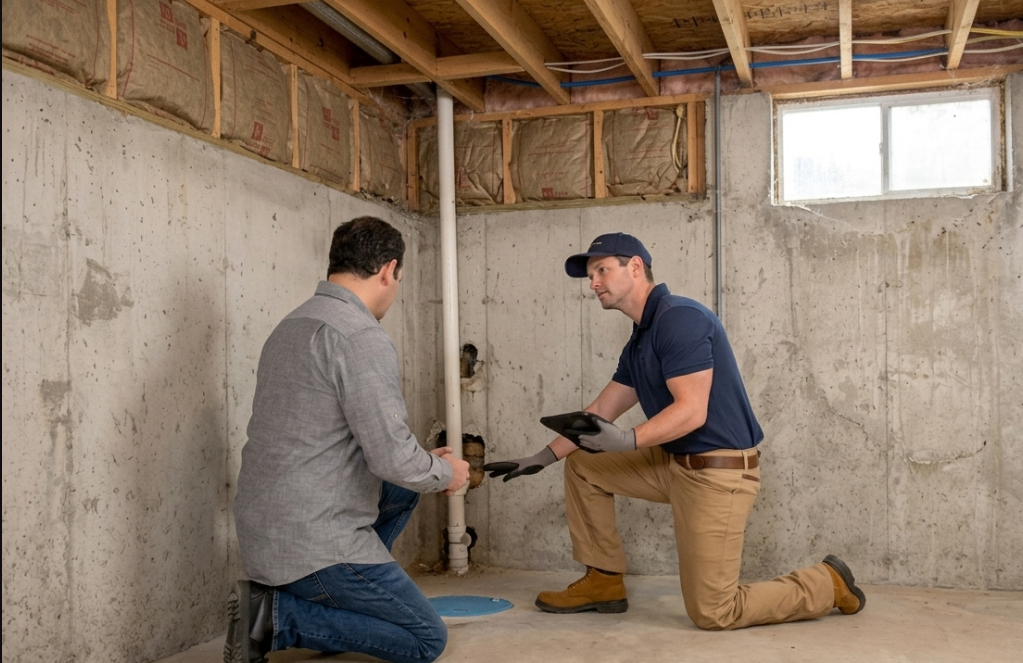
2. Foundations: Waterproofing materials are used on foundations to prevent water from seeping into the basement or crawlspace.
3. Bathrooms: Waterproofing materials are used in bathrooms to prevent water from damaging the surrounding areas.
4. Walls: Waterproofing materials are used on walls to prevent water from penetrating the surface and causing damage.
5. Balconies: Waterproofing materials are used on balconies to prevent water from penetrating the surface and causing damage to the structure.
Benefits of Waterproofing Materials
1. Prevents Water Damage: Waterproofing materials prevent water from penetrating surfaces, reducing the risk of water damage and costly repairs.
2. Reduces Maintenance: Waterproofing materials reduce the need for maintenance and repairs, saving time and money.
3. Increases Durability: Waterproofing materials increase the durability of surfaces, extending their lifespan and reducing the need for replacement.
4. Improves Safety: Waterproofing materials improve safety by preventing slips, trips, and falls caused by water damage.
5. Enhances Property Value: Waterproofing materials can enhance property value by protecting the structure and preventing water damage.
Conclusion
Waterproofing materials are an essential component of any building or structure, protecting against water damage and ensuring a safe and healthy living environment. By understanding the different types of waterproofing materials available and their applications, homeowners can make informed decisions about how to protect their property. Whether you’re building a new home or renovating an existing one, waterproofing materials are a crucial investment that can save you time, money, and stress in the long run.
The post Waterproofing Materials: Protecting Your Home from Water Damage appeared first on ACCL Waterproofing.