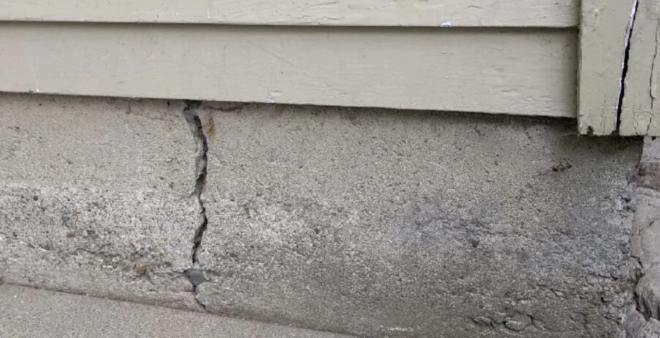
Modernizing Basement Lowering and Underpinning: Techniques and Benefits
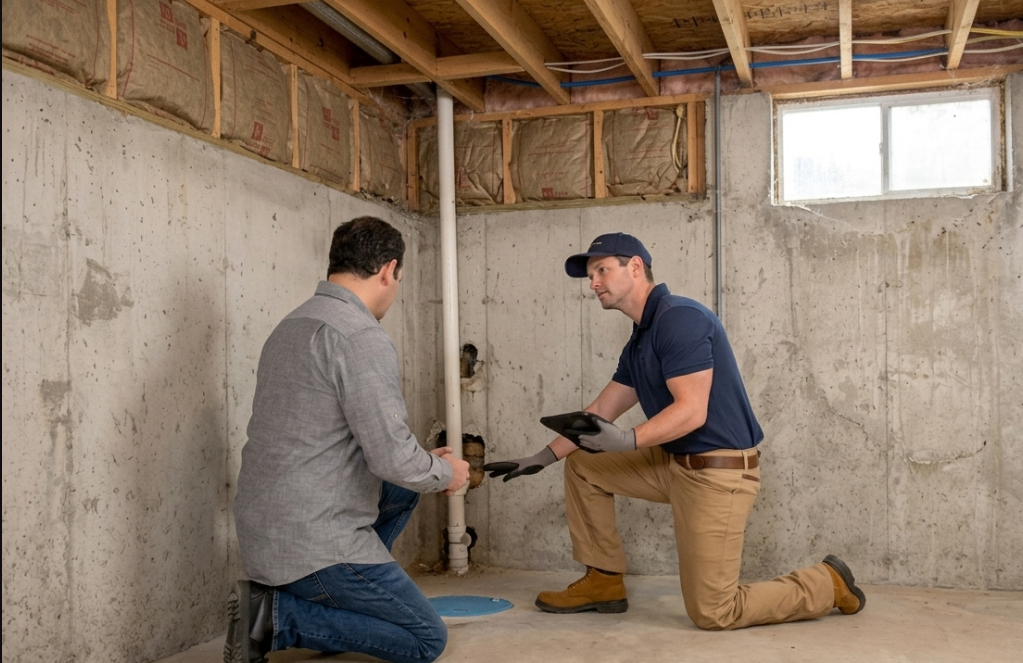
Basement lowering and underpinning are complex processes that require careful planning, execution, and attention to detail. In modern times, advancements in technology and techniques have improved the efficiency, safety, and effectiveness of these processes. This article explores the benefits and methods of modern basement lowering and underpinning.
What is Basement Lowering and Underpinning?
Basement lowering involves excavating the soil beneath a foundation to increase the ceiling height of the basement. Underpinning involves strengthening the foundation of a building by extending or deepening it to transfer the weight to a more stable soil layer.
Modern Techniques and Technologies
1. Advanced Excavation Methods: Modern excavation techniques, such as mini-excavators and robotic digging, allow for more precise and efficient soil removal.
2. Underpinning Systems: New underpinning systems, such as helical piers and push piers, provide stronger and more durable support for foundations.
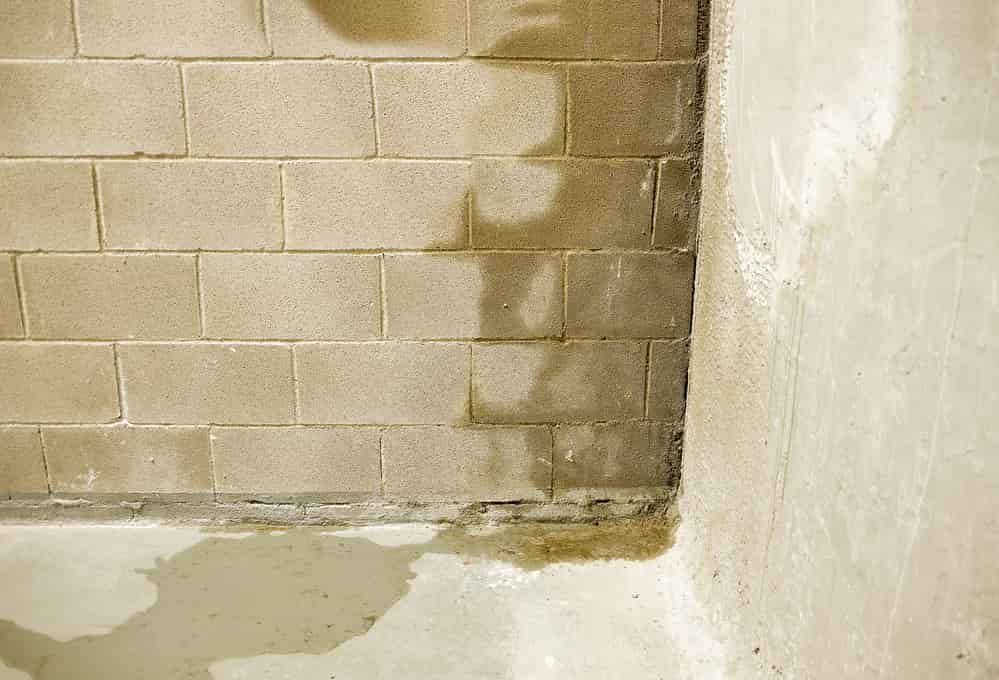
3. Waterproofing Solutions: Advanced waterproofing materials and techniques, such as membrane systems and drainage solutions, help prevent water damage and ensure a dry basement.
4. Structural Reinforcement: Modern structural reinforcement methods, such as carbon fiber and steel beam reinforcement, provide added strength and stability to foundations.
Benefits of Modern Basement Lowering and Underpinning
1. Increased Space: Basement lowering creates additional living space, increasing the value and functionality of a property.
2. Improved Structural Integrity: Underpinning strengthens the foundation, ensuring the stability and safety of the building.
3. Enhanced Waterproofing: Modern waterproofing solutions prevent water damage, reducing the risk of costly repairs and health hazards.
4. Increased Energy Efficiency: A well-insulated and dry basement can improve energy efficiency, reducing heating and cooling costs.
Best Practices for Basement Lowering and Underpinning
1. Hire Experienced Professionals: Work with experienced contractors and engineers to ensure a successful project.
2. Conduct Thorough Assessments: Conduct thorough assessments of the foundation and soil conditions to determine the best approach.
3. Develop a Comprehensive Plan: Develop a comprehensive plan that includes excavation, underpinning, waterproofing, and structural reinforcement.
4. Monitor Progress: Monitor progress closely to ensure the project is completed on time, within budget, and to the desired quality.
Conclusion
Modern basement lowering and underpinning techniques and technologies have revolutionized the construction industry. By leveraging advanced methods and materials, homeowners and builders can create safe, functional, and valuable living spaces. Whether you’re looking to increase space, improve structural integrity, or enhance energy efficiency, modern basement lowering and underpinning can help you achieve your goals.
The post Modernizing Basement Lowering and Underpinning: Techniques and Benefits appeared first on ACCL Waterproofing.