Urethane Injection Foundation Crack Repair
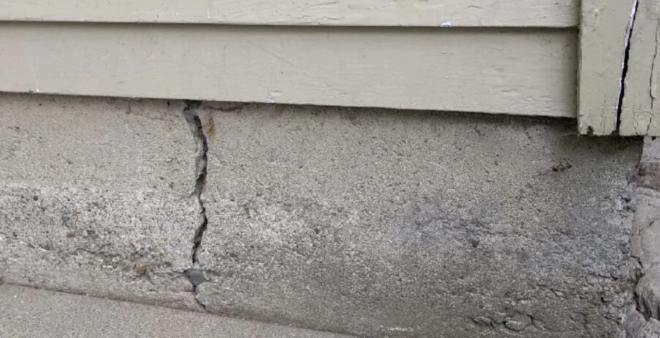
Urethane is an expanding, flexible sealant that uses water as a catalyst to form an impassable or dense seal to fill a crack all the way through to the outside. Waterproofing companies inject wall cracks in poured concrete foundations all the time as it is an effective and long-lasting solution that can be done quickly at a low cost. It is an excellent repair for wall cracks.
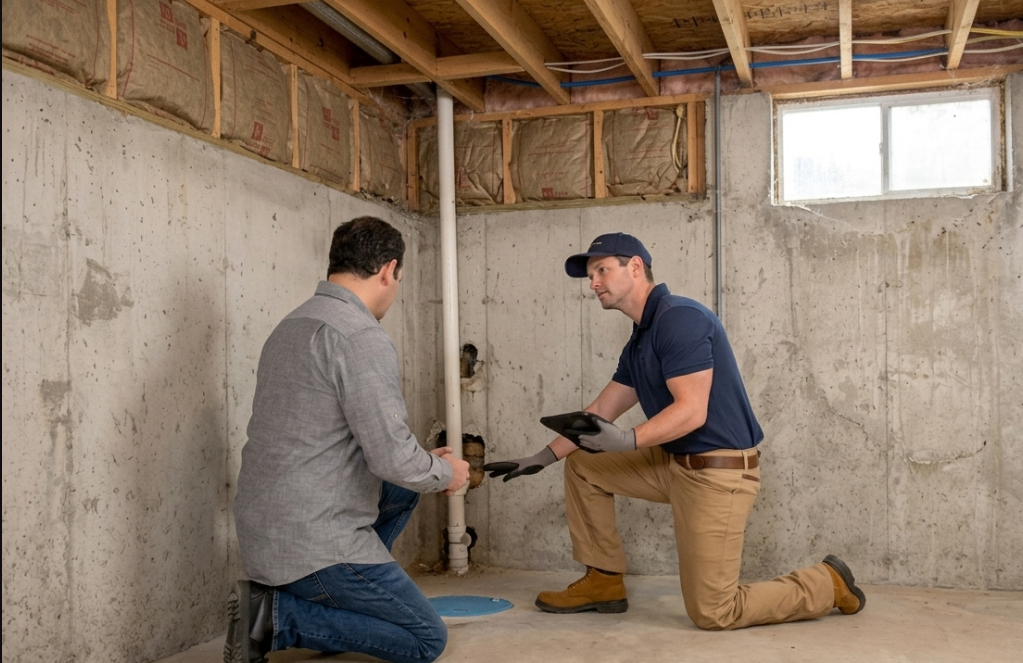
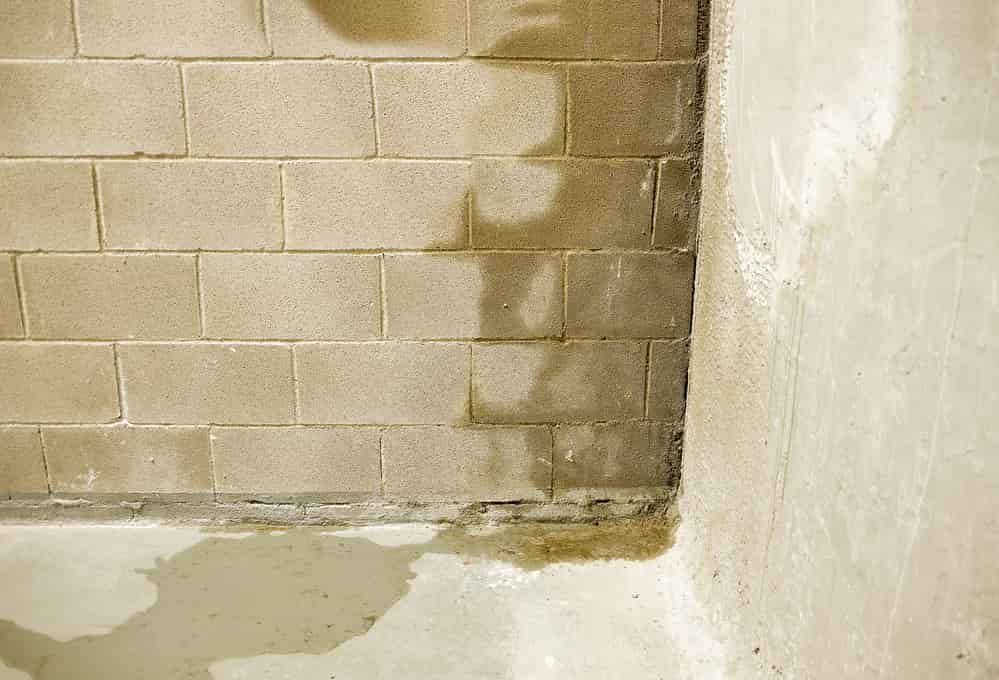
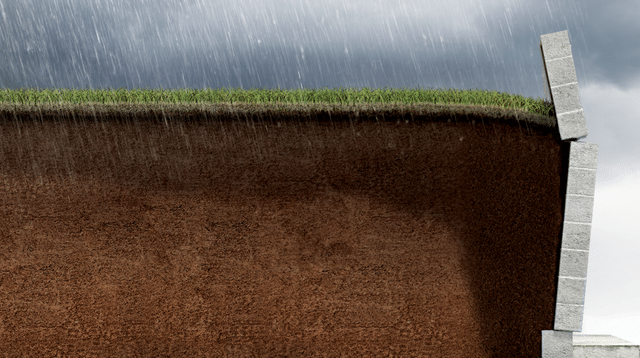
The compacted soil outside a house’s foundation exerts a great deal of force against the foundation walls. This pressure is usually responsible for causing cracks in the foundation. And when the soil becomes saturated, the water then seeps through the wall cracks into the home.
How does the Urethane Injection work?
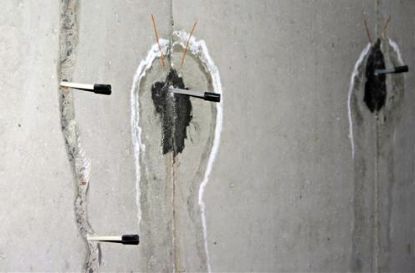
The waterproofing contractor will first attach plastic injection ports to the crack at intervals along the length. The urethane sealant is then injected into the ports along the crack. This will expand and fills its way all through to the outside soil. This stops the flow of water from the outside. A surface sealer is then applied over the crack to hold the injected sealant inside the crack until it cures.
Urethane vs Epoxy
Waterproofing contractors in the past have used Epoxy as a sealant to repair cracks. However, the main disadvantage to this is that epoxy is rigid and not flexible to shifting or foundation settlement. As a result, the movement will cause further cracks and water leaks. Also, as epoxy does not adhere to wet concrete, contractors have to wait until the surfaces are dry before attempting to repair any crack. This will of course, not be convenient to the homeowner.
Urethane, on the other hand, retains contact with the concrete and moves with the wall. The urethane sealant also makes use of the surrounding soil as a compact barrier to help create a firm repair.
Repairing cracks is of the utmost importance. If a crack leaks once then more than likely it will leak again after every rainfall. The crack repair will save you time, money, headaches from dealing with a leaky basement and prevent mould and mildew problems in your home.
The post Urethane Injection Foundation Crack Repair appeared first on ACCL Waterproofing.