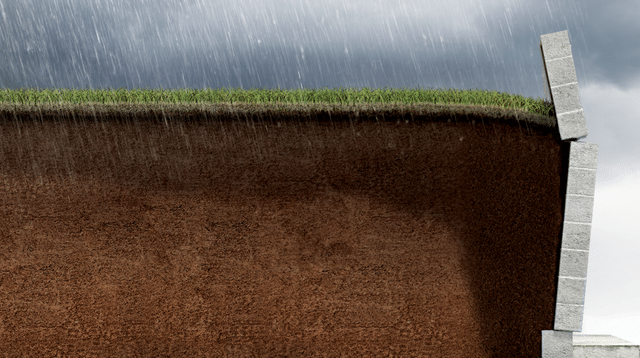
Why your Sump Pump fails?

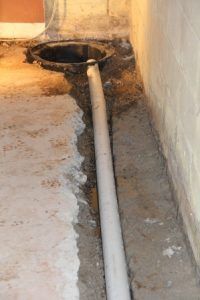
The sump pump is an integral part of a standard basement waterproofing system. It is the part that conveys water from the sump pit in your basement to the exterior. A failing sump pump can happen at any time, and when it does, many homeowners don’t realize there is a problem until the basement floods.

Reasons for Sump Pump Failure
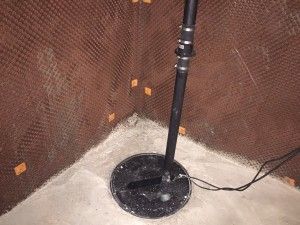
sump pump repairs
  • Overworked pump – One sump pump may not always be enough especially the cheap plastic ones. Large volumes of water can flood the basement faster than the sump can stop it. However, installing two pumps may help.
  • Clogged sump pumps – If the sump pump is sitting on the bottom of a dirty sump pit, its mechanical parts are liable to clog with dirt and debris. If this interferes with the pump’s operation, the system will slow or stop.
  • Sump pump won’t stop running – Generally, sump pumps run in intervals – turning on from time to time only as needed. Pumps that run continuously will wear out quickly and increase electricity cost. This may occur if the sump pump switch gets stuck on the “on” position; if the pump is too small for the job or if the liner is too small for the sump; the check valve may be missing or not working properly; the sump pit may be set too low in the ground.
  • Clogged drains – If the discharge drains are clogged with debris, sticks, dirt, ice, or snow; water will not be able to exit. This will cause the system not to work properly.
  • Lost of power to the sump pump – for example, electricity failure.

Sump pumps with battery backup are becoming more common due to electricity failure.

It’s also important to have your sump pump system serviced and checked after a major storm or any extreme weather especially when the system is left to operate for prolonged periods. In a system with a battery backup, the charge of the battery should also be checked.

Most waterproofing companies recommend yearly checkup and maintenance.

The post Why your Sump Pump fails? appeared first on ACCL Waterproofing.
By Fernando Rebeles August 19, 2026
Learn how to inspect your basement for foundation cracks, moisture, mold, efflorescence, drainage problems, and other warning signs of water intrusion.
By Fernando Rebeles August 17, 2026
8 Waterproofing Myths Every Homeowner Should Stop Believing
By Fernando Rebeles August 14, 2026
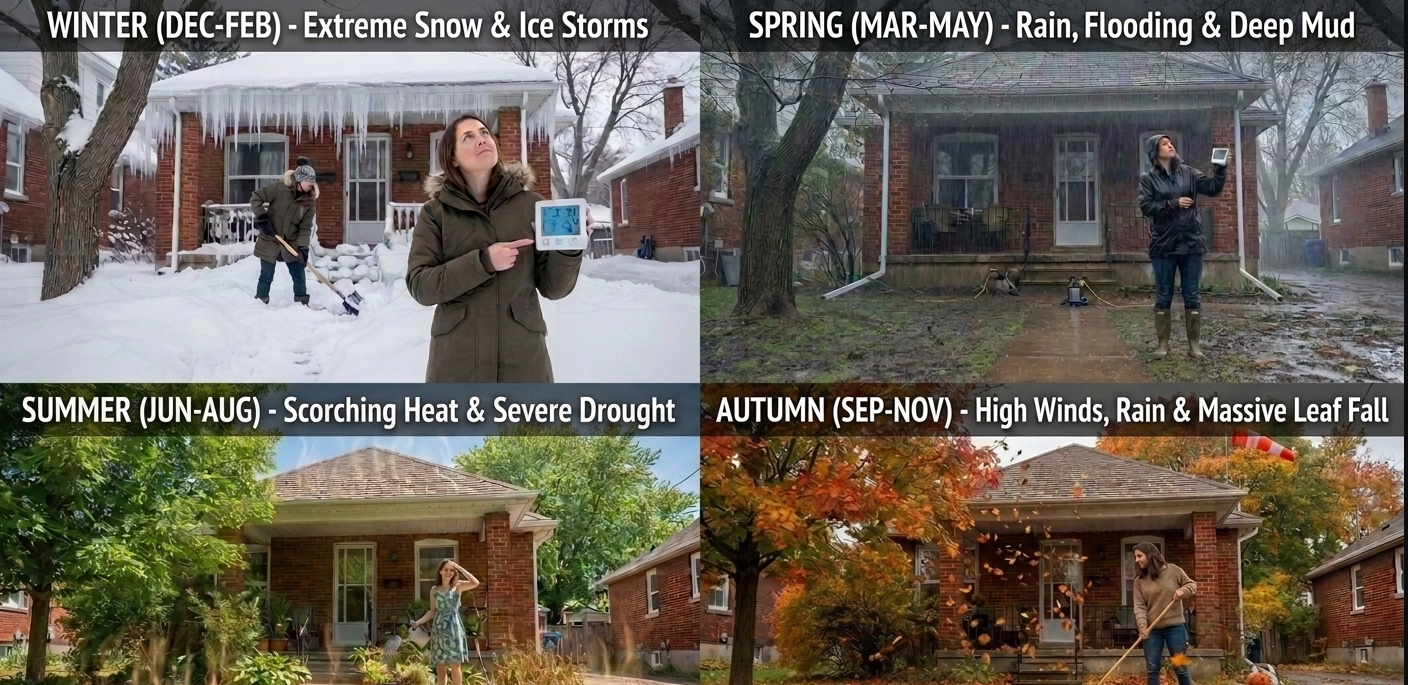
Ontario homeowners know that the weather can change dramatically throughout the year.  From spring snowmelt and heavy summer rainfall to falling leaves in autumn and freezing temperatures in winter, every season brings different challenges for your home.
By Fernando Rebeles August 12, 2026
Ever wonder what happens beneath your lawn when it rains?  Learn how groundwater affects your foundation and why proper waterproofing is essential.
By Fernando Rebeles August 5, 2026
Proper grading is one of the most important defenses against basement leaks and foundation damage. Learn how directing water away from your home can prevent costly repairs.
By Fernando Rebeles August 3, 2026
Clogged gutters can allow thousands of gallons of water to collect around your home's foundation. Learn how proper roof drainage helps prevent basement leaks and foundation damage.
By Fernando Rebeles July 31, 2026
Heavy rainfall can expose hidden weaknesses in your home's waterproofing system. Learn why basement leaks occur after storms and how to protect your foundation from water damage.
Recognizing drainage problems before they lead to water intrusion, foundation damage, and expensive
By Fernando Rebeles July 29, 2026
Your weeping tile system plays a critical role in protecting your foundation from water damage. Learn the warning signs of failure and how to prevent costly basement leaks.
By Fernando Rebeles July 26, 2026
A small foundation crack may seem harmless, but it can lead to water intrusion, mold growth, structural damage, and costly repairs. Learn why early intervention matters.
By Fernando Rebeles July 24, 2026
Understanding the hidden force behind many basement leaks, foundation cracks, and water intrusion problems.