Understanding Below-Grade Condensation
What It Is and Why Homeowners Should Pay Attention.
Understanding Below-Grade Condensation
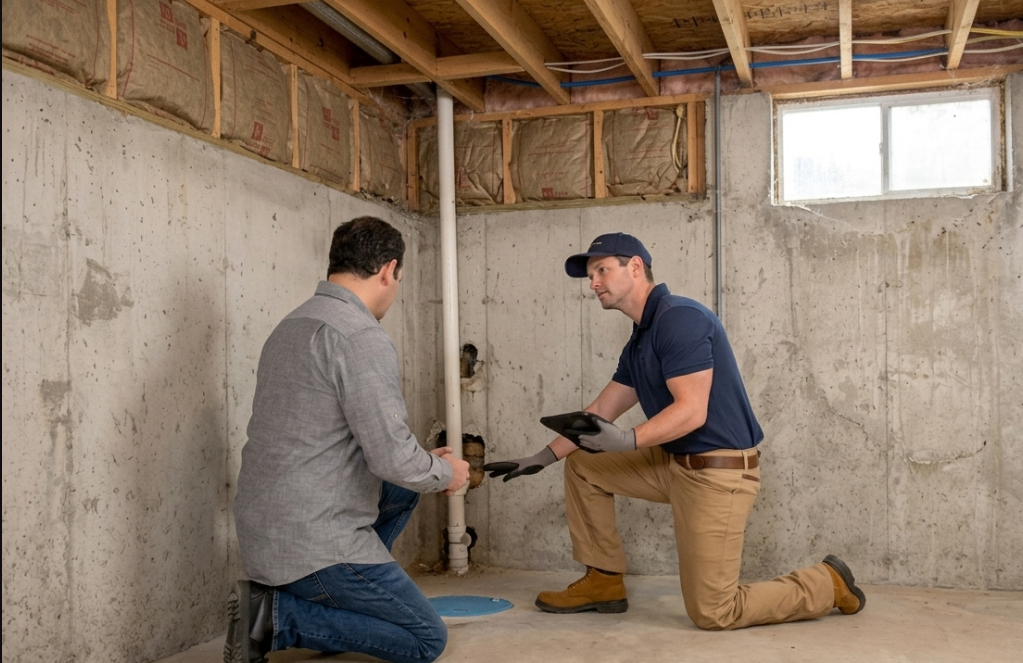
When people think about moisture problems in a basement or crawl space, they often assume the cause is a foundation leak or water seepage. However, one of the most overlooked sources of moisture is condensation. Below-grade condensation can contribute to mold growth, unpleasant odors, material deterioration, and poor indoor air quality—even when there are no visible signs of water intrusion.
At ACCL Waterproofing, we frequently help homeowners identify and address condensation issues before they lead to costly damage and unhealthy living conditions.
What Is Below-Grade Condensation?
The term "below-grade" refers to areas of a home located below ground level, such as basements and crawl spaces. Because these spaces are surrounded by soil, they tend to remain cooler than the upper levels of a home throughout much of the year.
Condensation occurs when warm, moisture-laden air comes into contact with cooler surfaces. Similar to how water droplets form on a cold beverage during a hot day, condensation can develop on basement walls, concrete floors, pipes, and ductwork.
As warm air cools upon contact with these surfaces, the moisture it contains turns into water droplets. Although this process may seem harmless, ongoing condensation can create significant moisture problems over time.
Why Does Below-Grade Condensation Occur?
Condensation is particularly common during warm, humid months when outdoor moisture levels are elevated. Humid air can enter your basement or crawl space through windows, vents, cracks, gaps, or other openings in the foundation.
When that warm air encounters cooler surfaces below grade, condensation forms.
Common contributing factors include:
- High outdoor humidity levels
- Excess indoor humidity
- Poor airflow and ventilation
- Unsealed foundation walls and penetrations
- Cool concrete surfaces that remain below the air temperature
- Significant temperature differences between indoor and outdoor environments
Even in the absence of leaks or flooding, condensation can introduce a surprising amount of moisture into your home.
Common Warning Signs of Below-Grade Condensation
Homeowners should watch for the following indicators:
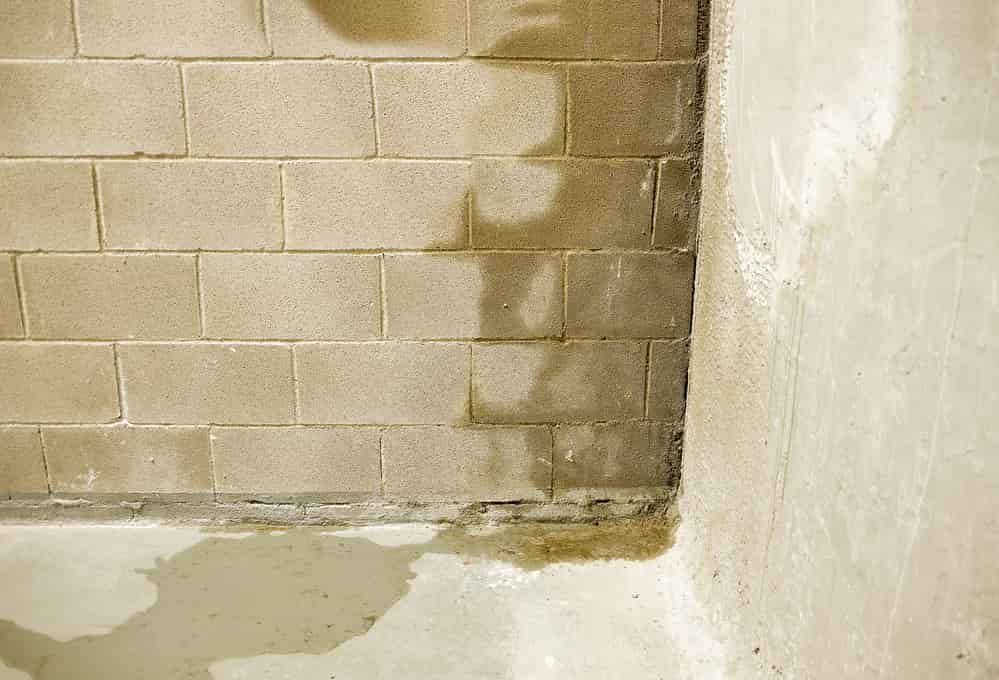
✅ Damp basement walls or floors
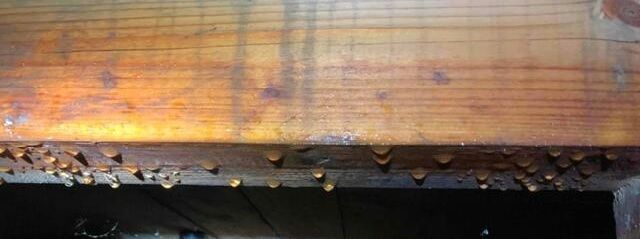
✅ Water droplets forming on pipes, ducts, or foundation walls
✅ Musty or persistent odors
✅ Mold and mildew growth
✅ White chalky deposits (efflorescence) on concrete surfaces
✅ Peeling paint or wall discoloration
✅ Elevated humidity levels throughout the home
Many homeowners are surprised to learn that the air quality in their basement or crawl space can affect the entire house. In fact, a significant portion of the air circulating throughout a home originates from these lower levels. As a result, excess moisture below grade can impact comfort, air quality, and overall indoor health.
Why Addressing Condensation Matters
Ignoring condensation can lead to long-term problems such as mold growth, damaged insulation, wood rot, and deterioration of building materials. It can also increase humidity levels throughout the home, making living spaces less comfortable and potentially affecting HVAC efficiency.
By identifying the source of moisture and implementing proper waterproofing, drainage, ventilation, and humidity control solutions, homeowners can create a healthier and more durable living environment.
Protect Your Basement and Crawl Space
At ACCL Waterproofing, we specialize in diagnosing moisture issues and providing long-term waterproofing solutions that help keep basements and crawl spaces dry year-round.
Whether you're experiencing condensation, foundation leaks, or excessive humidity, our team can assess your property and recommend the most effective solution to protect your home and foundation.
Contact ACCL Waterproofing
Corporate Head Office
124 Wilson Rd S
Oshawa, ON L1H 6C1
📞 West: 1 (416) 759-2995
📞 East: 1 (905) 448-5909
📞 Toll Free: 1 (866) 701-8484