
HERE ARE SOME BASEMENT WATERPROOFING FACTS AND MYTHS
5 Facts and 5 Myths About Basement Waterproofing
Facts:
- Prevention is Key: Waterproofing your basement is essential for preventing water damage, mold growth, and structural issues in your home.
- Multiple Methods: There are various methods for waterproofing basements, including exterior excavation, interior sealants, drainage systems, and sump pumps.
- Professional Help: While DIY waterproofing solutions exist, hiring a professional waterproofing contractor ensures the job is done correctly and efficiently.
- Cost-Effectiveness: Waterproofing your basement may seem like a significant investment upfront, but it can save you money in the long run by preventing costly water damage repairs.
- Not Just for Flood-Prone Areas: Even if you don’t live in an area prone to flooding, basement waterproofing is still important. Water can seep into basements through cracks, foundation leaks, or high groundwater levels.
Myths:
- Basements Can’t Be Fully Waterproofed: While it’s true that no method can guarantee 100% waterproofing, effective waterproofing techniques can significantly reduce the risk of water infiltration.
- Waterproof Paint is Sufficient:
Waterproof paint or sealants may provide a temporary solution for minor leaks, but they are not sufficient for long-term waterproofing. They can’t address underlying structural issues or prevent water from entering through cracks or gaps.
- Basements Don’t Need Waterproofing if They’re Dry: Even if your basement has never experienced water issues, it’s still susceptible to future leaks or flooding. Waterproofing as a preventive measure can save you from potential damage in the future.
- Interior Waterproofing is Enough: While interior waterproofing methods like sealants and drainage systems are important, exterior waterproofing is also crucial. Exterior methods prevent water from reaching the foundation walls in the first place, offering a more comprehensive solution.
- Waterproofing is Only for Old Homes: Waterproofing is beneficial for both old and new homes. Even newly constructed homes can experience water intrusion due to poor drainage, grading issues, or construction defects. Preventive waterproofing measures can protect your investment regardless of the age of your home.
The post HERE ARE SOME BASEMENT WATERPROOFING FACTS AND MYTHS appeared first on ACCL Waterproofing.
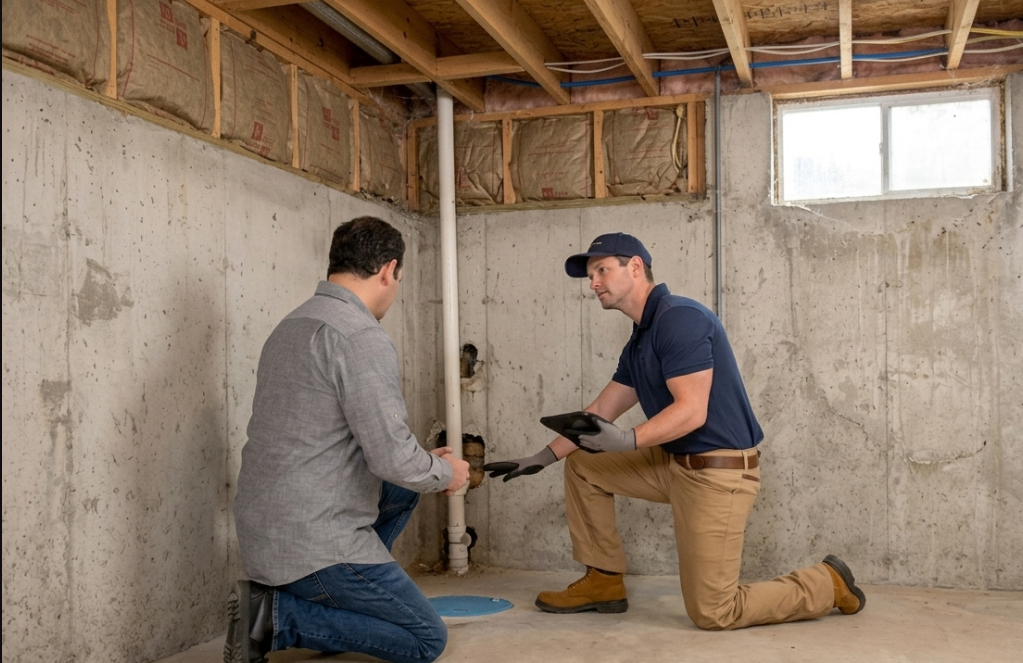
Learn how to inspect your basement for foundation cracks, moisture, mold, efflorescence, drainage problems, and other warning signs of water intrusion.
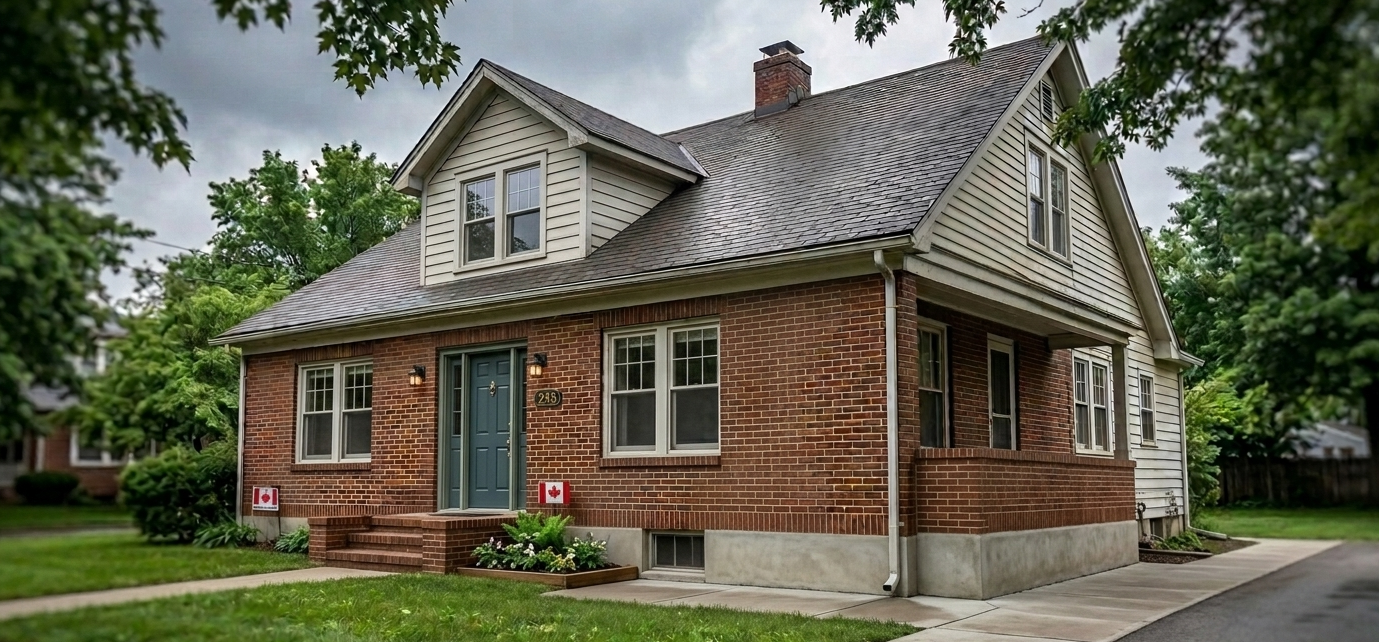
8 Waterproofing Myths Every Homeowner Should Stop Believing
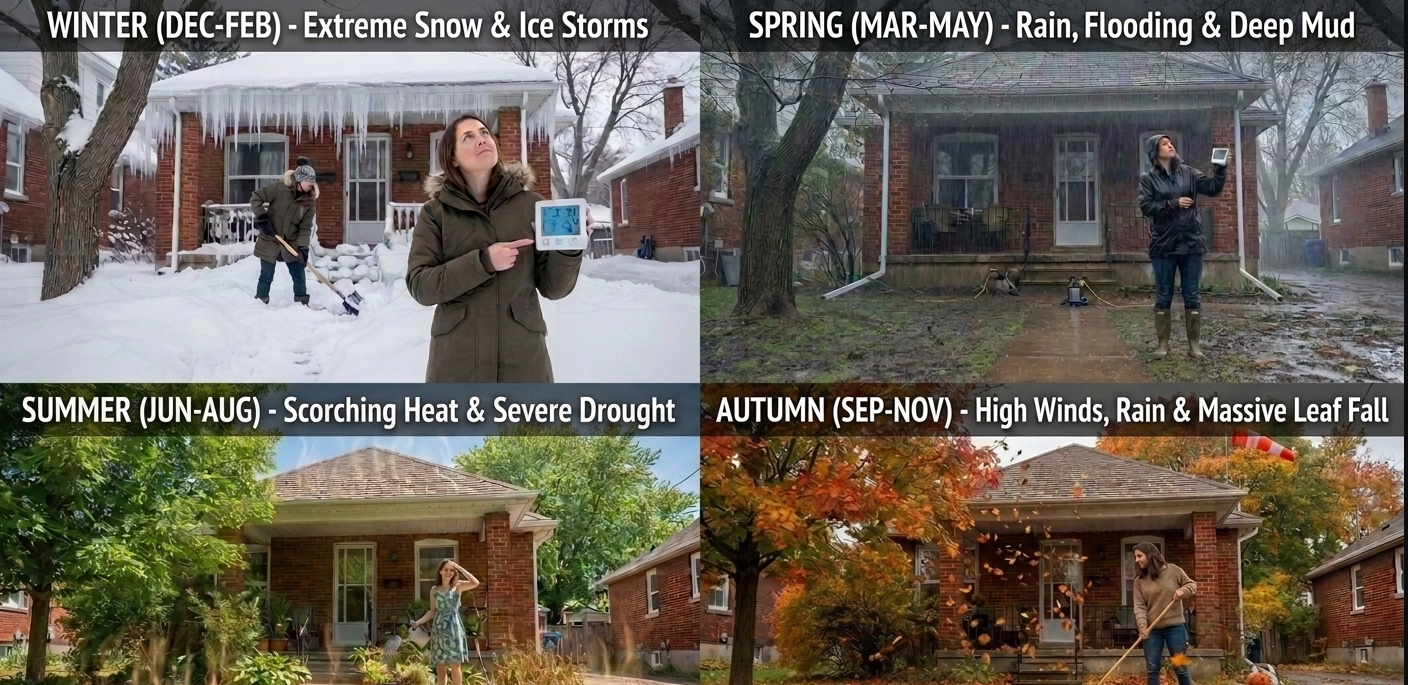
Ontario homeowners know that the weather can change dramatically throughout the year. From spring snowmelt and heavy summer rainfall to falling leaves in autumn and freezing temperatures in winter, every season brings different challenges for your home.
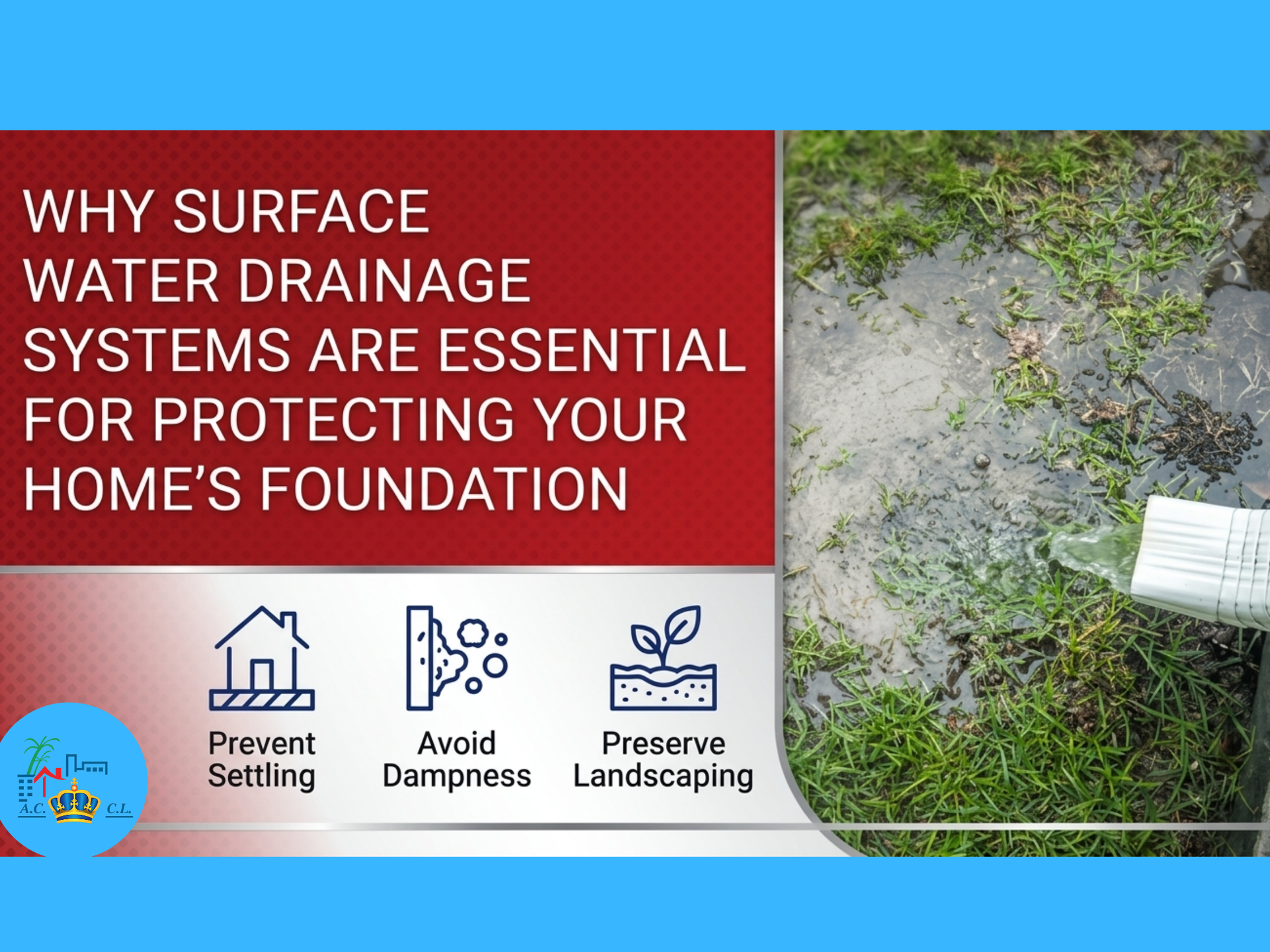
Ever wonder what happens beneath your lawn when it rains? Learn how groundwater affects your foundation and why proper waterproofing is essential.
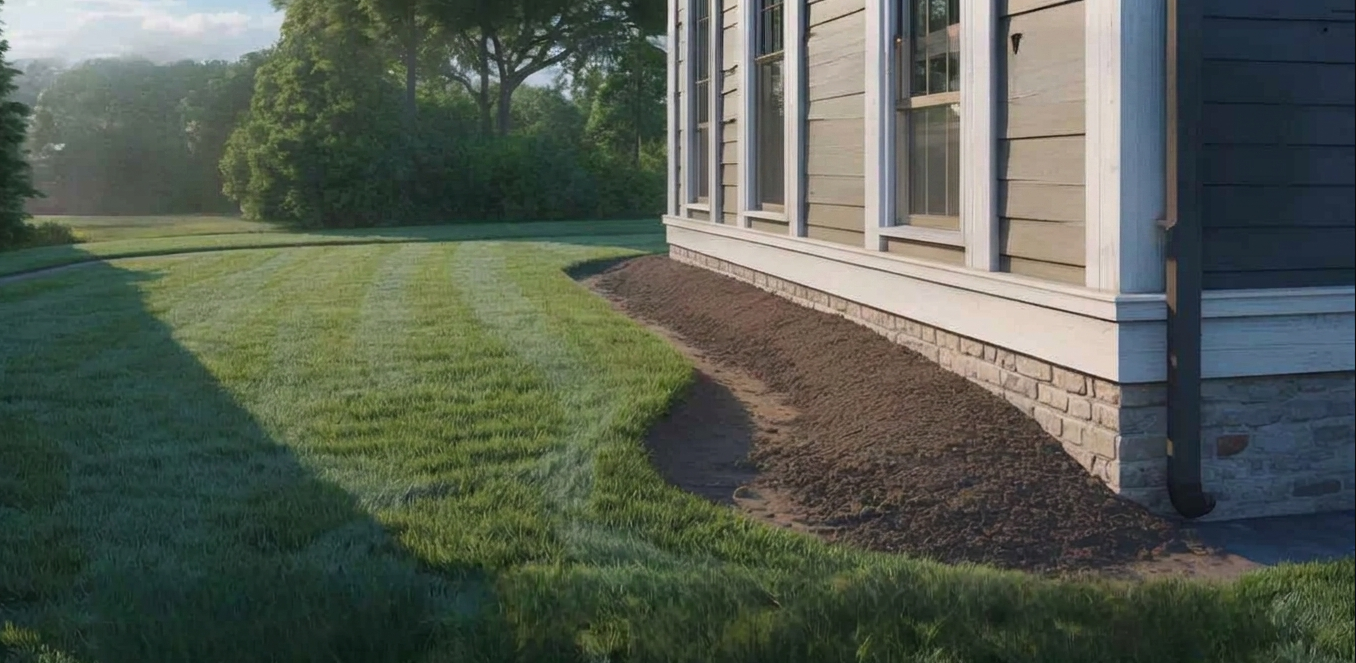
Proper grading is one of the most important defenses against basement leaks and foundation damage. Learn how directing water away from your home can prevent costly repairs.
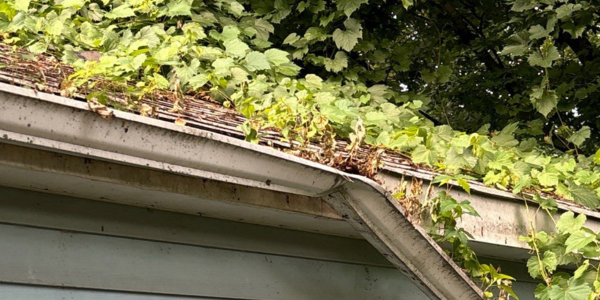
Clogged gutters can allow thousands of gallons of water to collect around your home's foundation. Learn how proper roof drainage helps prevent basement leaks and foundation damage.
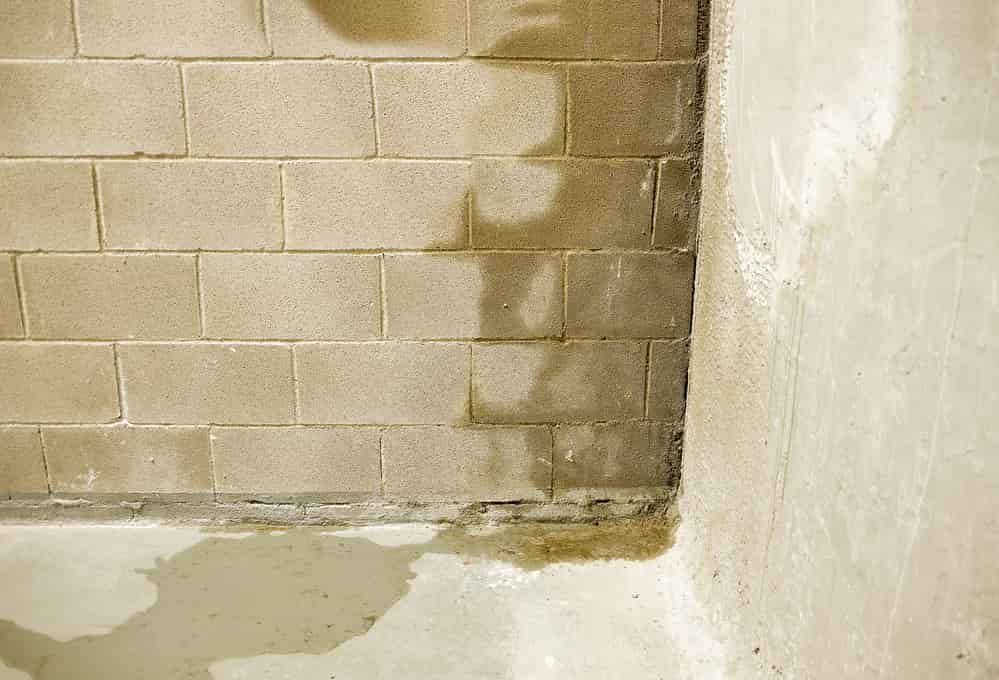
Heavy rainfall can expose hidden weaknesses in your home's waterproofing system. Learn why basement leaks occur after storms and how to protect your foundation from water damage.
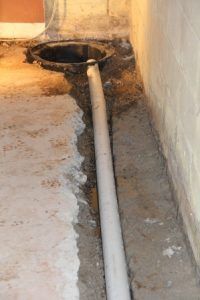
Your weeping tile system plays a critical role in protecting your foundation from water damage. Learn the warning signs of failure and how to prevent costly basement leaks.
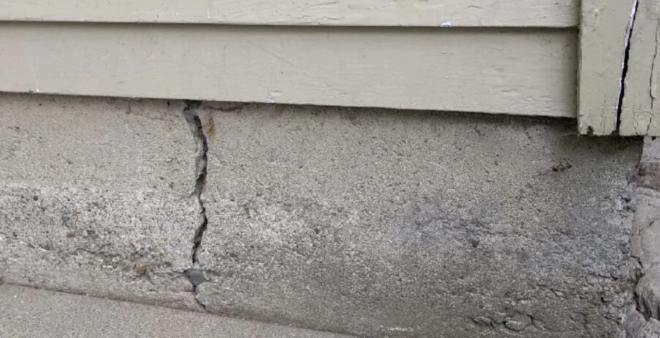
A small foundation crack may seem harmless, but it can lead to water intrusion, mold growth, structural damage, and costly repairs. Learn why early intervention matters.
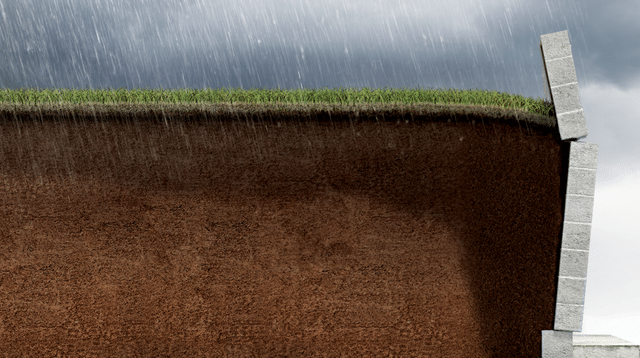
Understanding the hidden force behind many basement leaks, foundation cracks, and water intrusion problems.