The Science Behind Basement Waterproofing: How It Works
Basement waterproofing is not merely about applying sealants or coatings; it’s a science rooted in understanding how water behaves and how building materials interact with it. By delving into the principles of hydrology, structural engineering, and material science, we can unravel the mysteries behind effective basement waterproofing. In this article, we’ll explore the science behind basement waterproofing and how various techniques work to keep basements dry and protected.
Understanding Hydrostatic Pressure:
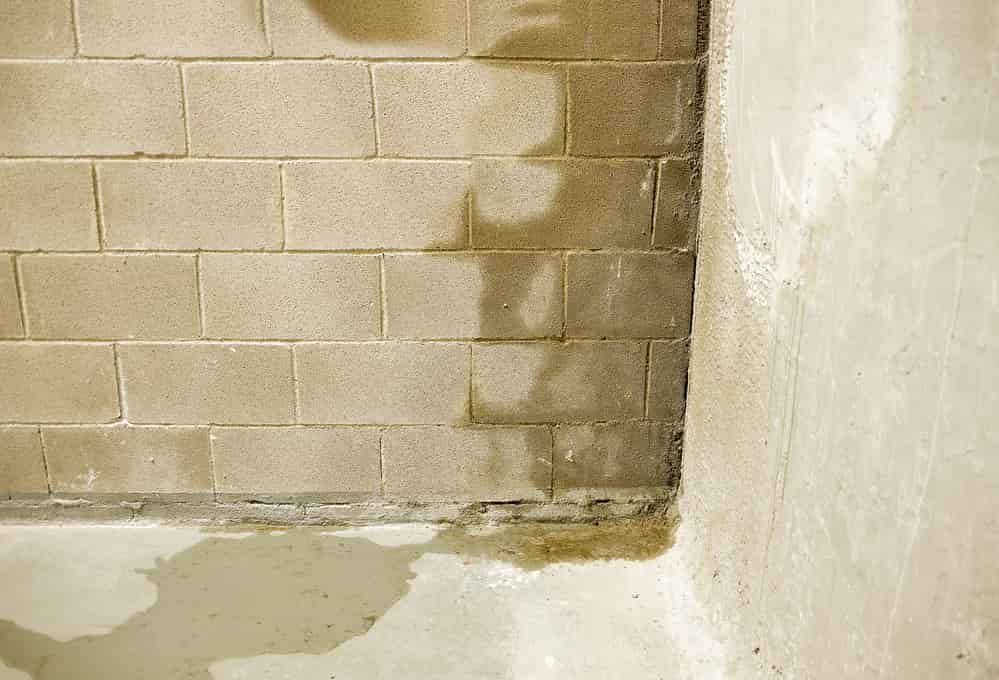
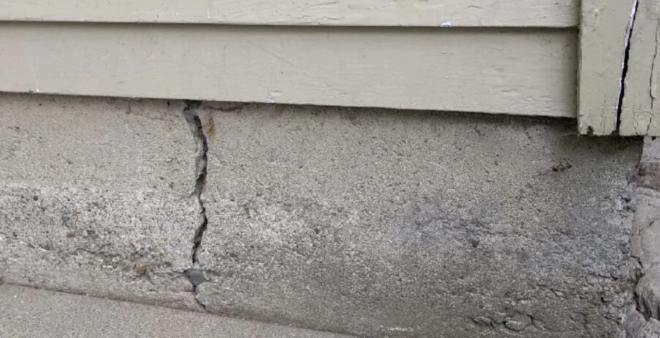
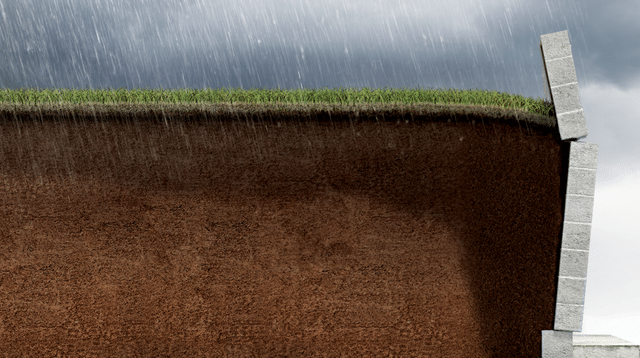
One of the primary challenges in basement waterproofing is managing hydrostatic pressure – the pressure exerted by groundwater against the foundation walls. When soil becomes saturated with water, hydrostatic pressure increases, leading to water infiltration through cracks, joints, and porous materials. Effective waterproofing strategies aim to relieve or resist this pressure to prevent water from entering the basement.
Types of Waterproofing Systems:
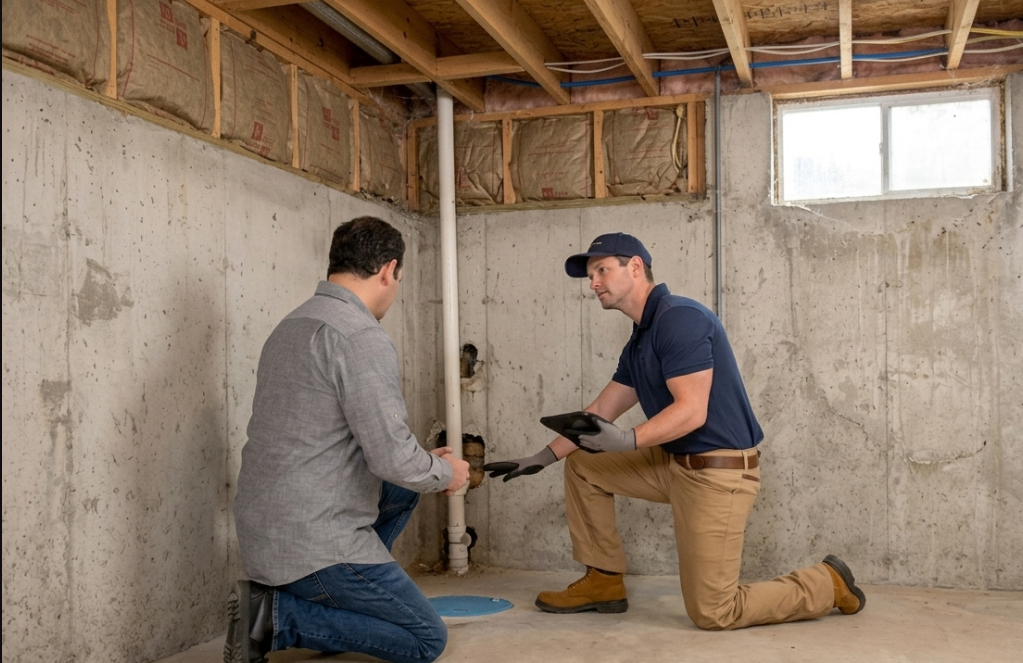
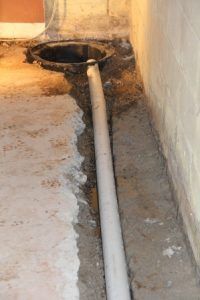
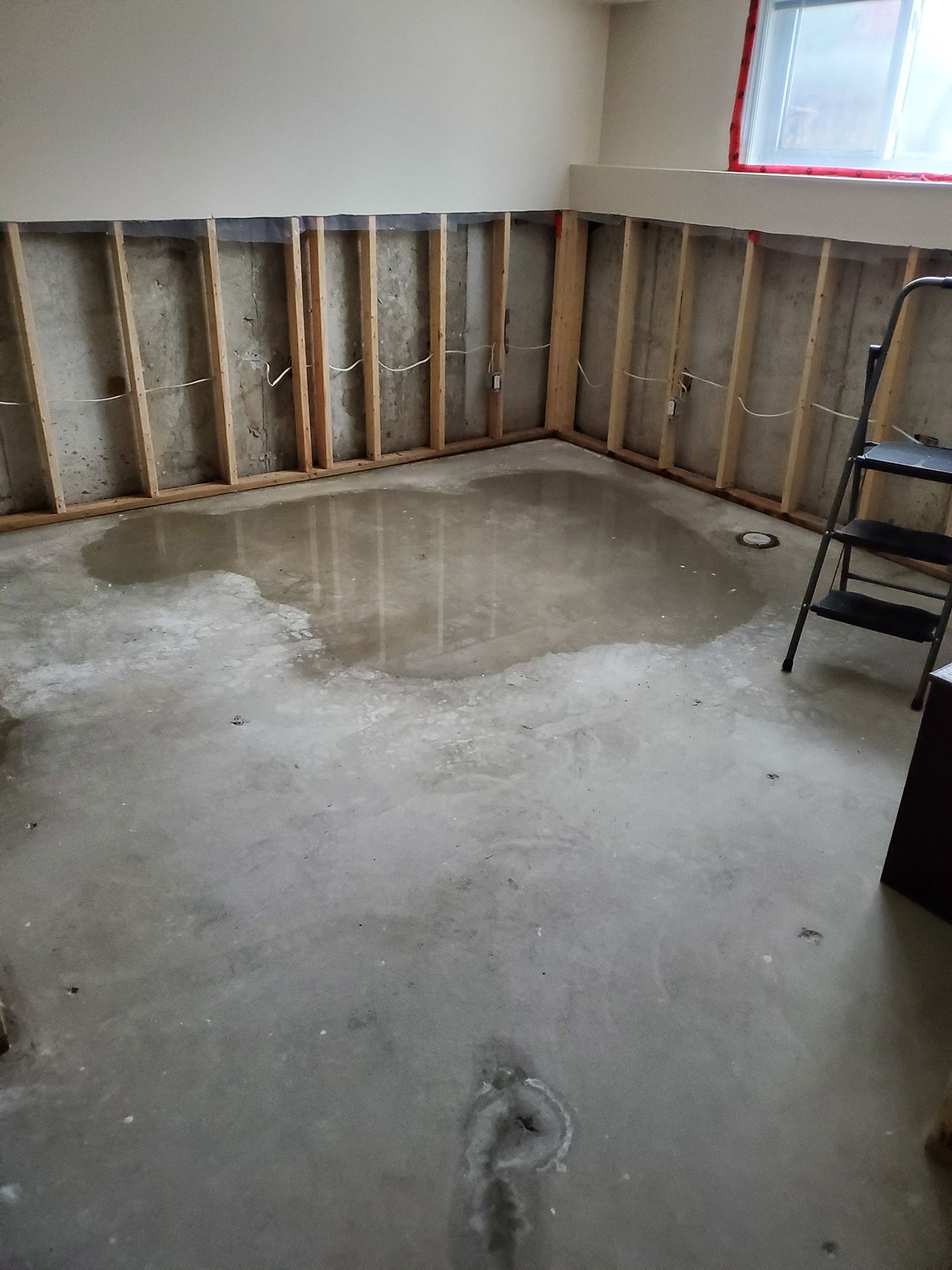
- Interior Waterproofing: Interior waterproofing systems focus on managing water that has already penetrated the basement. Techniques such as installing interior drain tile systems or sump pumps help collect and remove groundwater before it can cause damage to the interior space. Vapor barriers and sealants may also be applied to walls and floors to prevent moisture migration.
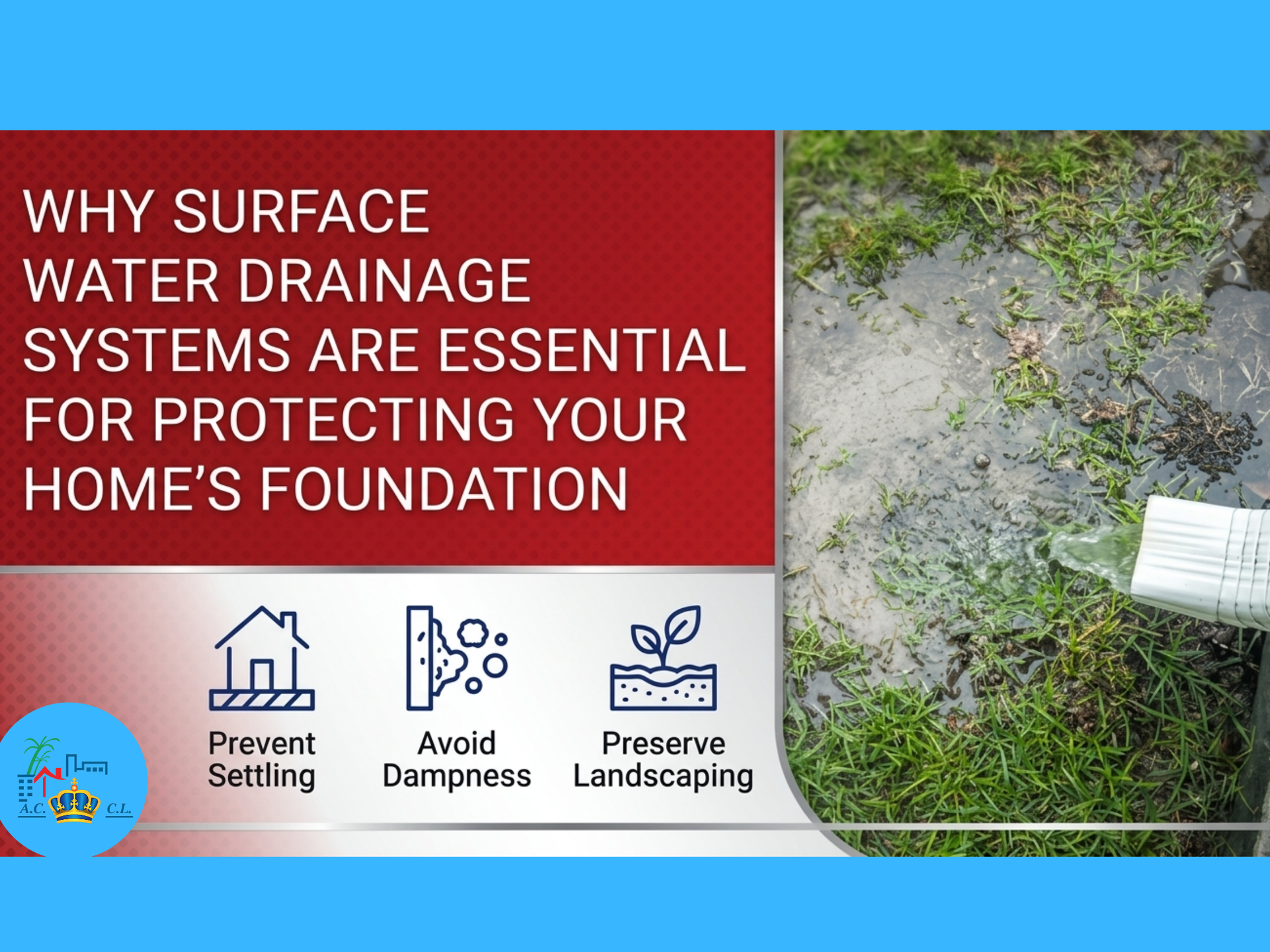
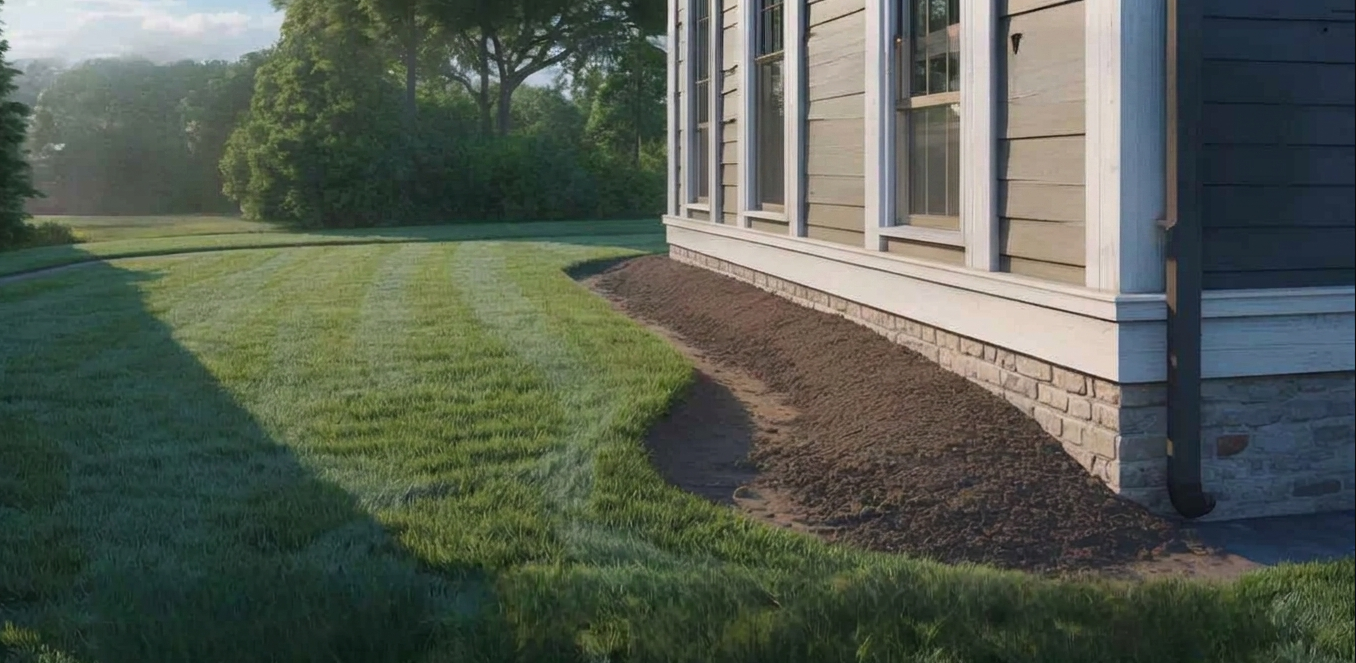
- Exterior Waterproofing: Exterior waterproofing targets water before it reaches the foundation walls. This typically involves excavating around the perimeter of the foundation to apply waterproof coatings or membranes directly to the exterior surface. Additionally, exterior drainage systems, such as French drains, are installed to redirect groundwater away from the foundation.
The Role of Building Materials:
- Waterproof Membranes: Waterproof membranes, often made of rubber-like materials such as elastomeric or bituminous compounds, create a seamless barrier against water infiltration. These membranes adhere tightly to the foundation walls, forming a protective shield that prevents moisture from seeping through.
- Concrete Sealants: Concrete is inherently porous and susceptible to water penetration. Sealants, such as polyurethane or epoxy coatings, are applied to concrete surfaces to fill in pores and create a waterproof barrier. These sealants not only prevent water infiltration but also enhance the durability and longevity of the concrete.
Conclusion:
Basement waterproofing is a multidisciplinary field that combines principles of hydrology, structural engineering, and material science to protect homes from water damage. By understanding the science behind basement waterproofing and employing effective techniques, homeowners can ensure their basements remain dry and structurally sound for years to come. Whether through interior or exterior waterproofing systems, the goal is to mitigate hydrostatic pressure and prevent water infiltration, thereby safeguarding the integrity of the home’s foundation and the health of its occupants.
 Contact us today for all your waterproofing needs!