Exploring Basement Waterproofing Techniques and Products for a Dry and Protected Space
Basement waterproofing is a critical step in ensuring a dry and protected environment in your home. With various techniques and products available, it’s essential to understand the options to make informed decisions. In this blog, we will delve into different basement waterproofing techniques and highlight key products that can help you safeguard your basement against water intrusion and potential damage.
- Exterior Waterproofing:
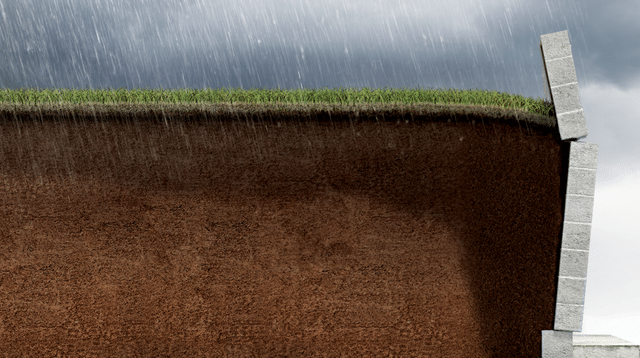
- Excavation and Waterproofing Membranes: This technique involves excavating the soil around the foundation to expose the exterior walls. Waterproofing membranes, such as bituminous or synthetic rubber, are then applied to create a barrier against water infiltration. This method is effective for both new construction and existing homes.
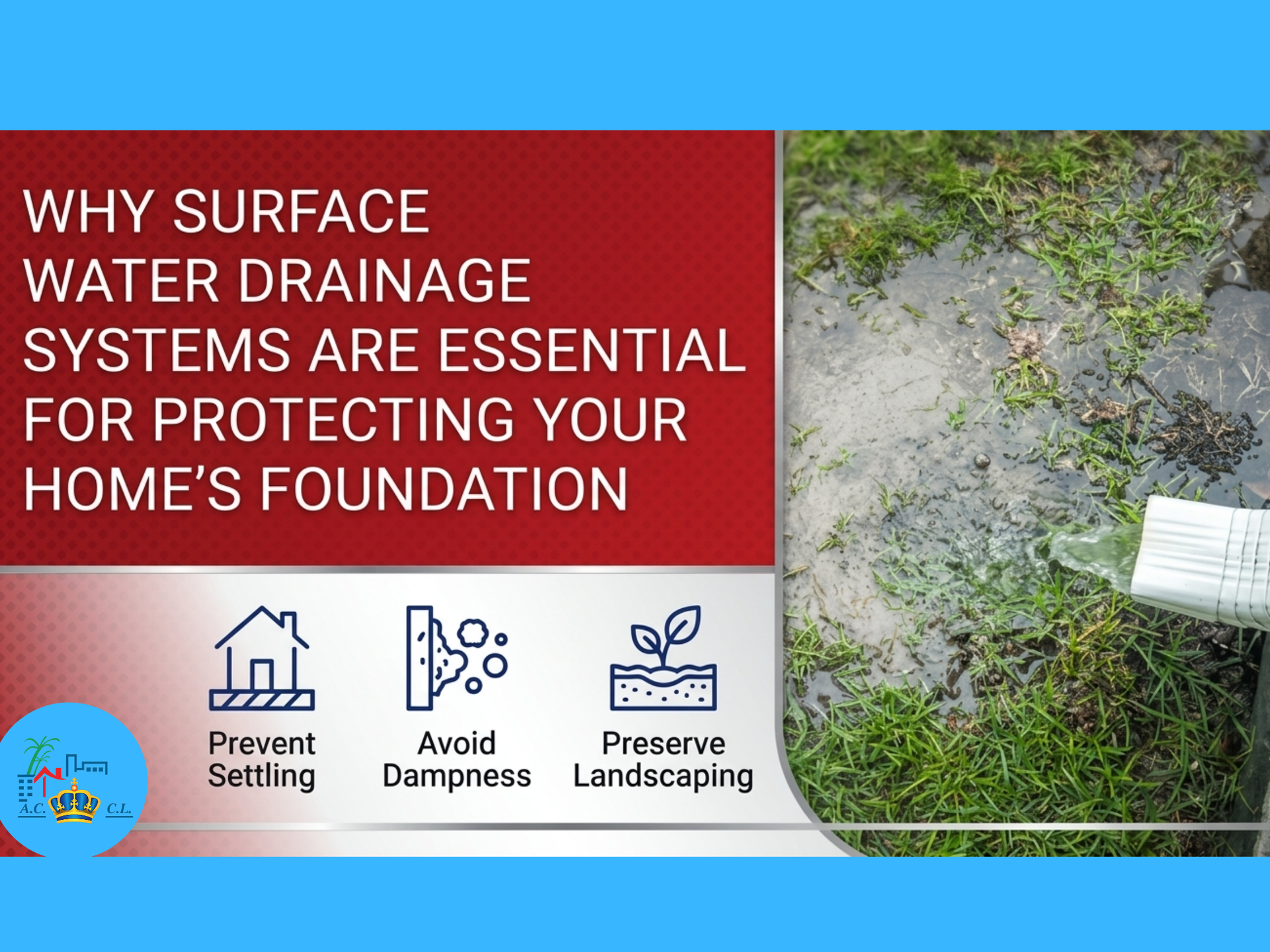
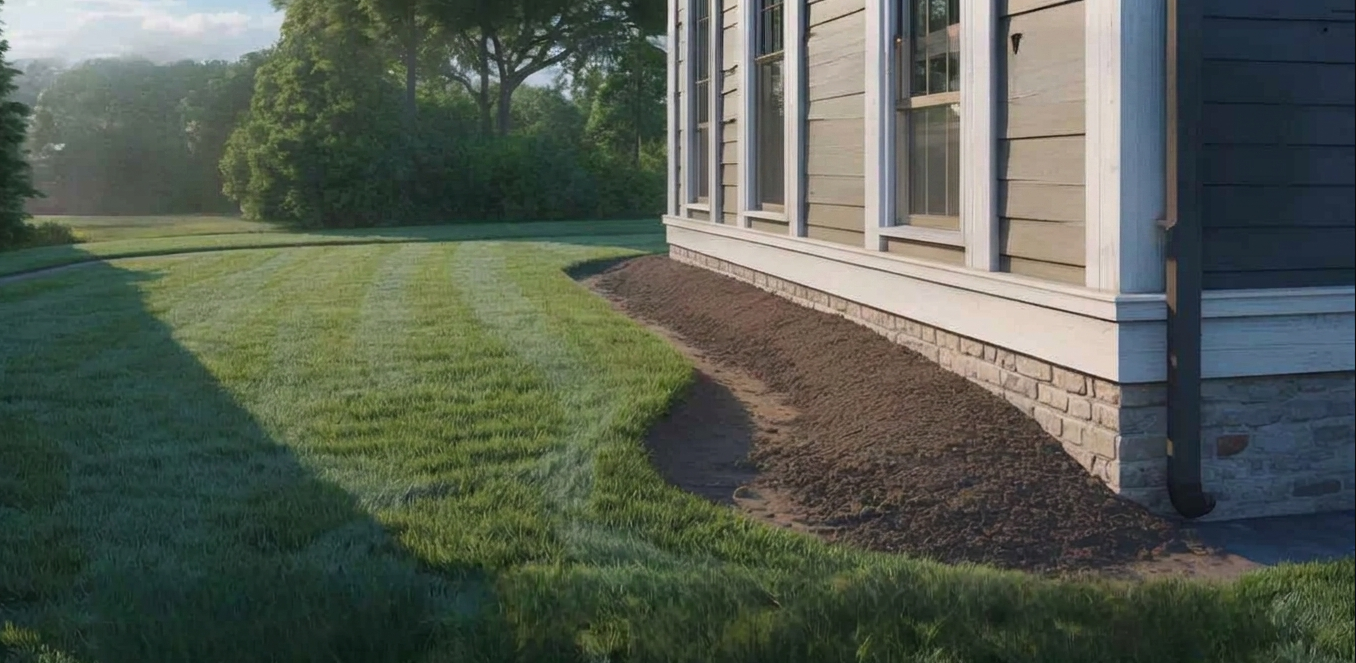
- Drainage Systems: Alongside exterior waterproofing, installing a reliable drainage system is crucial. French drains, exterior footing drains, or exterior weeping tiles can help redirect water away from the foundation, preventing water buildup and potential basement flooding.
- Interior Waterproofing:
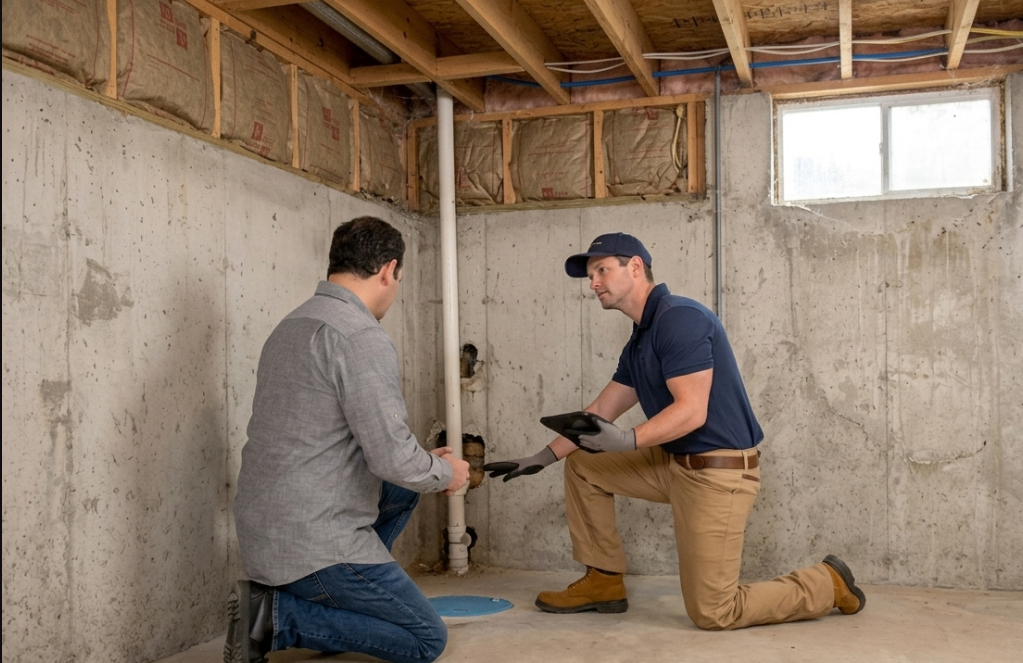
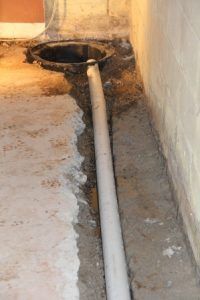
- Interior Drainage Systems: This method involves the installation of interior drain tile systems along the perimeter of the basement floor. These systems collect water that enters through the walls or floor and directs it to a sump pump, which then pumps the water away from the foundation.
- Waterproofing Coatings: Waterproofing coatings, such as cementitious coatings or epoxy-based sealants, are applied directly to the interior walls and floors. These coatings create a barrier, preventing water from seeping into the basement. They can be used as standalone solutions or in combination with other waterproofing techniques.
- Sump Pump Systems:
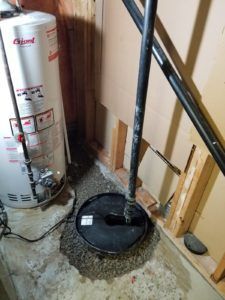
- Sump pumps play a crucial role in basement waterproofing by efficiently removing water from the sump pit and preventing it from entering the basement. A reliable sump pump system should include a high-quality pump, a durable sump pit, and a backup power source to ensure functionality during power outages.
- Basement Sealants and Caulks:
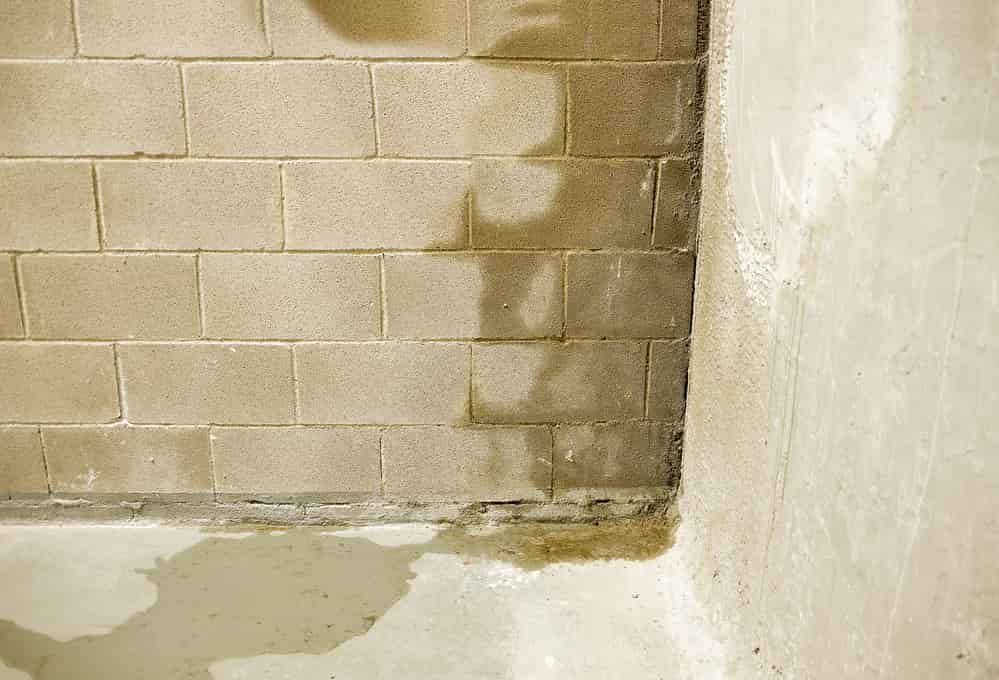
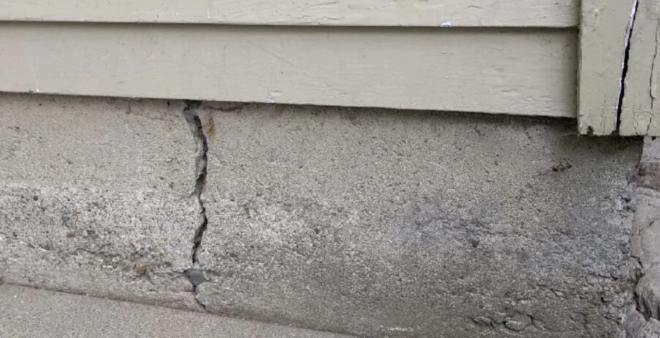
- Sealants and caulks are essential for sealing gaps, cracks, and joints in the basement walls and floors. Polyurethane sealants or epoxy injections are commonly used to fill and seal these openings, preventing water infiltration and potential leaks.
- Waterproofing Membranes:
- Waterproofing membranes are available in various forms, such as sheet membranes or liquid membranes. Sheet membranes, often made of rubberized asphalt or thermoplastic, are applied to the basement walls and act as a barrier against water. Liquid membranes, such as polymer-based coatings, offer flexibility and can be easily applied to irregular surfaces.
- Dehumidifiers:
- While not directly a waterproofing technique, using dehumidifiers in the basement is an effective way to control moisture levels. Dehumidifiers remove excess moisture from the air, reducing the likelihood of mold growth and creating a drier environment.
Basement waterproofing is important for protecting your home against water damage and maintaining a dry living space. Understanding the various techniques and products available can help you choose the most suitable approach for your basement’s specific needs. Whether it’s exterior waterproofing, interior drainage systems, sump pump installation, sealants, or waterproofing membranes, consulting with professionals and using high-quality products is crucial for long-term effectiveness. By investing in basement waterproofing, you can ensure a secure, dry, and well-protected space for your home and peace of mind for years to come.
Don’t forget to contact ACCL WATERPROOFING experts for all your basement waterproofing needs.
Call us at 416-759-2995/416-619-5355.
Email us at info@acclwaterproofing.ca
Visit our social media pages.
Instagram: @Acclwaterproofing1
Facebook: @Acclwaterproofing1
Tiktok: ACCL Waterproofing
The post Exploring Basement Waterproofing Techniques and Products for a Dry and Protected Space appeared first on ACCL Waterproofing.