White Mold
White mold growth, while a common problem in residential homes, does not receive the same attention as black mold. White mold growth also provides an additional challenge because it is often confused with efflorescence, a crystalline growth structure found on concrete and masonry surfaces. Efflorescence occurs when water moves through a masonry structure, bringing unbounded salts to the surface. When the water evaporates, a white, fluffy structure is left behind. This growth, while harmless, can appear very similar to white mold growth.
White mold can be found anywhere conditions conducive to mold growth are present. A trained mold inspector can readily determine if the growth structure is from white mold or efflorescence. Additionally, efflorescence will typically dissolve under the application of a water mist, while mold growth will not. Other helpful distinguishing characteristics include the material of the substrate. Efflorescence will only occur on concrete, brick or other masonry structures. If you find a white mold like substance on sheetrock or wood, you can certainly rule out efflorescence. Another indication, though imperfect, is the presence of a mold smell. Efflorescence is odorless.
Many molds can provoke allergic responses in sensitive individuals. No area of significant mold growth within the home should be considered safe. Proper identification of the underlying cause, removal and cleanup should be performed regardless of the color of the mold growth.
The approach to mold cleanup should remain the same regardless of the color because many types of molds, even non-toxic molds, are capable of causing an allergic response. Because of this, the color of the mold is inconsequential. Treat all the same.
Because white mold affects people even when they are unaware of the presence of mold, it is a good idea to have the area tested in order to be sure that the mold was completely removed. These mold spores are microscopic, and even though you can’t see them they may still be harming the health of you and your family.
In preventing mold growth, the easiest and most effective method is to reduce indoor humidity. Combined with removing all sources of water leakage in the home, sealing penetrations in floors and walls, and removing all sources of freestanding water, lowering the humidity level below 60% is an effective way to get rid of mold.
White mold growth also provides an additional challenge because it is often confused with efflorescence, a crystalline growth structure found on concrete and masonry surfaces. Efflorescence occurs when water moves through a masonry structure, bringing unbounded salts to the surface. When the water evaporates, a white, fluffy structure is left behind. This growth, while harmless, can appear very similar to white mold growth.
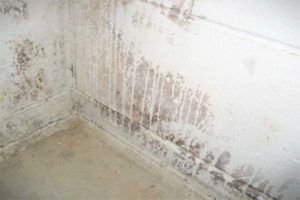
White mold can be found anywhere conditions conducive to mold growth are present. A trained mold inspector can readily determine if the growth structure is from white mold or efflorescence.
Additionally, efflorescence will typically dissolve under the application of a water mist, while mold growth will not. Other helpful distinguishing characteristics include the material of the substrate. Efflorescence will only occur on concrete, brick or other masonry structures. If you find a white mold like substance on sheet-rock or wood, you can certainly rule out efflorescence. Another indication, though imperfect, is the presence of a mold smell. Efflorescence is odorless.
Many molds can provoke allergic responses in sensitive individuals. No area of significant mold growth within the home should be considered safe. Proper identification of the underlying cause, removal and cleanup should be performed regardless of the color of the mold growth.
The approach to mold cleanup should remain the same regardless of the color because many types of molds, even non-toxic molds, are capable of causing an allergic response. Because of this, the color of the mold is inconsequential. Treat all the same.
Because white mold affects people even when they are unaware of the presence of mold, it is a good idea to have the area tested in order to be sure that the mold was completely removed. These mold spores are microscopic, and even though you can’t see them they may still be harming the health of you and your family.
In preventing mold growth, the easiest and most effective method is to reduce indoor humidity. Combined with removing all sources of water leakage in the home, sealing penetrations in floors and walls, and removing all sources of freestanding water, lowering the humidity level below 60% is an effective way to get rid of mold.
The post White Mold appeared first on ACCL Waterproofing.