Sump Pump – What is it and how does it work?
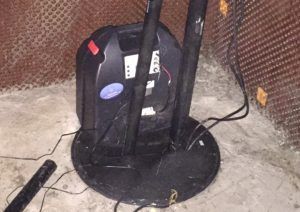
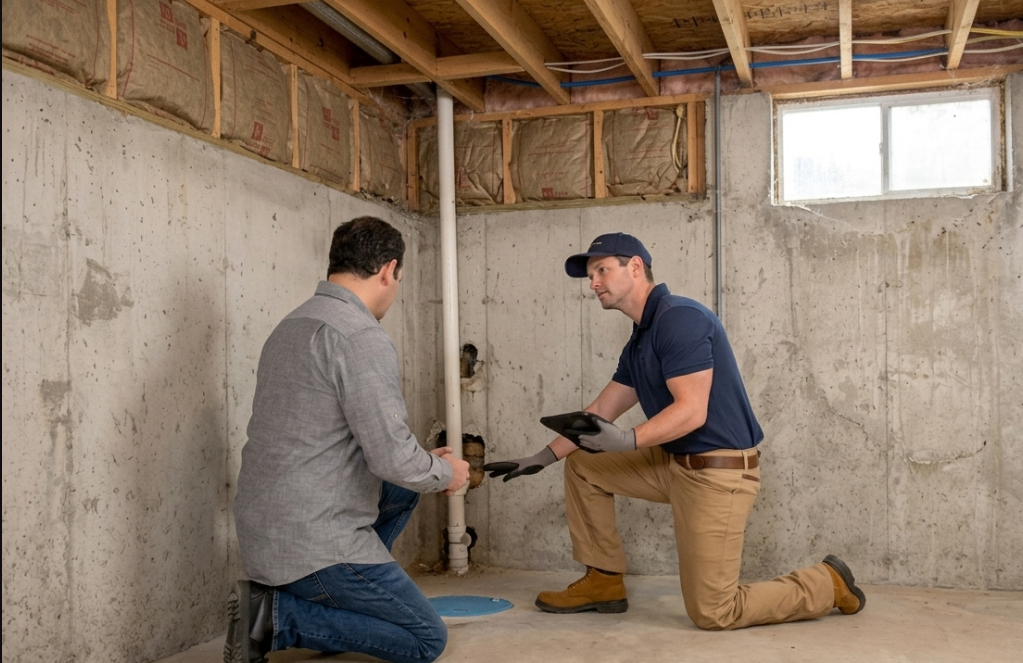
There are a fair number of options you can take when dealing with a wet basement.  One of the best options for homeowners and commercial properties operators to utilize and prevent water damage is by installing a sump pump.

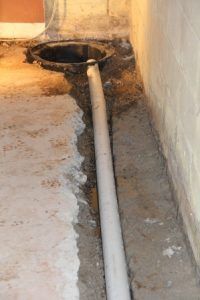
Heavy duty pumps must be installed in a sealed sump pit.  You want the pump to be strategically positioned in the basement, in order to send water out to a more acceptable location.  Locations can vary from a sloped lawn to a municipal storm drain. This type of high-efficiency sump pump or sealed sump pit is designed as a reservoir for excess groundwater and rainwater.

The way a sump pump works is actually fairly simple.  The pump does not keep water out completely.  Once properly installed the system controls how water gathers beneath your home.  Any water that does gather is collected and pumped out in order to prevent moisture levels in your home from rising.

If you already plan to install a sump pump system then you have done your research.  Perhaps you are still exploring other ways of keeping your basement dry such as:

  • Examining the grading around your home.
  • Injecting cracks and repairing any noticeable leaks or broken pipes and are still having trouble.

Are you considering these options?  If you are, it might be time to look at installing a sump pump system.

Things to Keep in Mind in Regards to a Sump Pump

  • Sump pump installations don’t prevent water from accumulating.
    • They can go however go a long way in controlling water in your basement.
  • Many homes already have a pump system and pits installed right into the basement floor
    • Most of them, however, are inadequate and cause as many problems as they solve.

Is your home equipped with a sump pit?  Now may just be time to contact a professional waterproofing contractor to assess your situation and have a sump pump installed.

By Fernando Rebeles August 19, 2026
Learn how to inspect your basement for foundation cracks, moisture, mold, efflorescence, drainage problems, and other warning signs of water intrusion.
By Fernando Rebeles August 17, 2026
8 Waterproofing Myths Every Homeowner Should Stop Believing
By Fernando Rebeles August 14, 2026
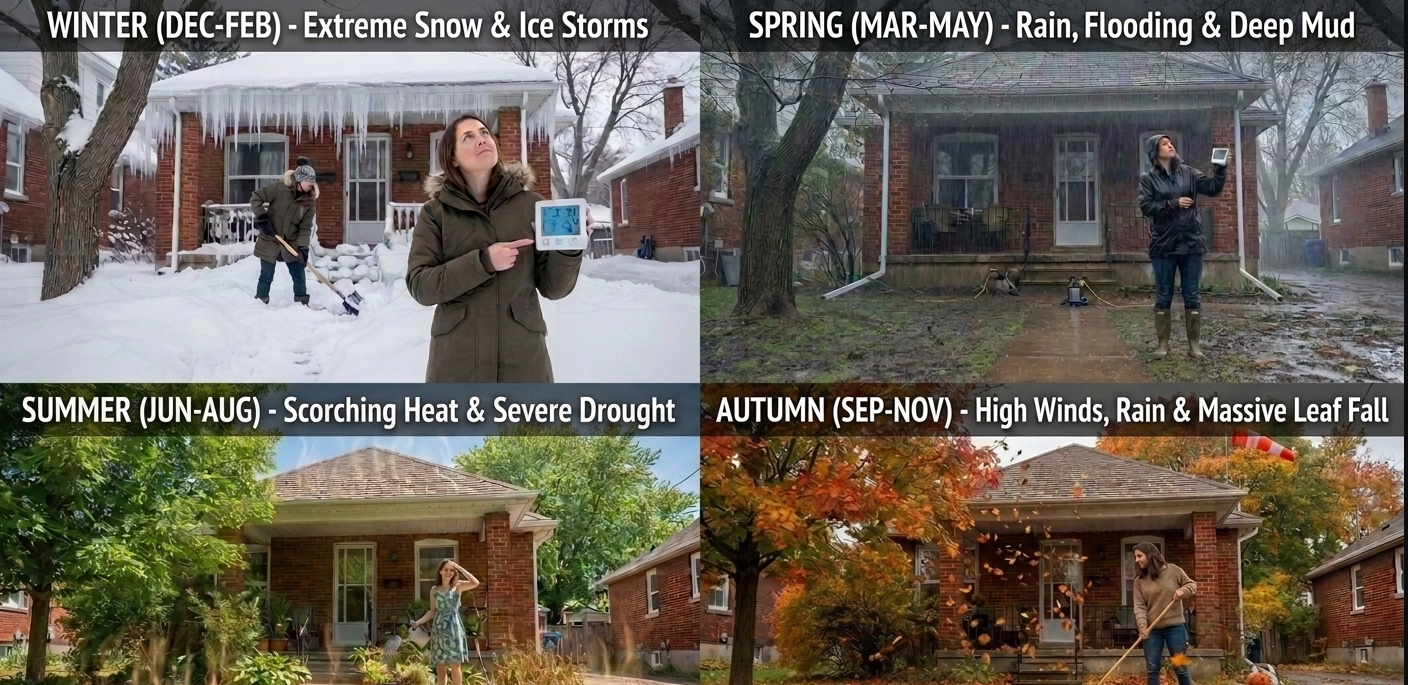
Ontario homeowners know that the weather can change dramatically throughout the year.  From spring snowmelt and heavy summer rainfall to falling leaves in autumn and freezing temperatures in winter, every season brings different challenges for your home.
By Fernando Rebeles August 12, 2026
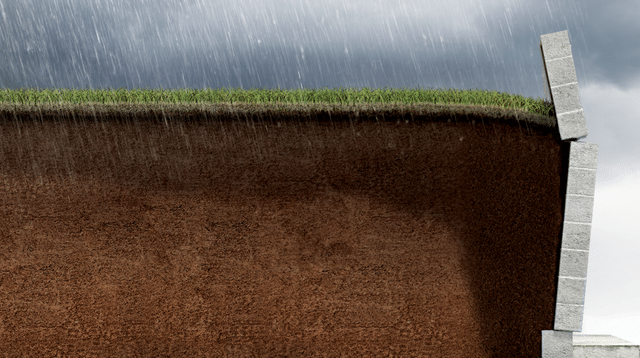
Ever wonder what happens beneath your lawn when it rains?  Learn how groundwater affects your foundation and why proper waterproofing is essential.
By Fernando Rebeles August 5, 2026
Proper grading is one of the most important defenses against basement leaks and foundation damage. Learn how directing water away from your home can prevent costly repairs.
By Fernando Rebeles August 3, 2026
Clogged gutters can allow thousands of gallons of water to collect around your home's foundation. Learn how proper roof drainage helps prevent basement leaks and foundation damage.
By Fernando Rebeles July 31, 2026
Heavy rainfall can expose hidden weaknesses in your home's waterproofing system. Learn why basement leaks occur after storms and how to protect your foundation from water damage.
Recognizing drainage problems before they lead to water intrusion, foundation damage, and expensive
By Fernando Rebeles July 29, 2026
Your weeping tile system plays a critical role in protecting your foundation from water damage. Learn the warning signs of failure and how to prevent costly basement leaks.
By Fernando Rebeles July 26, 2026
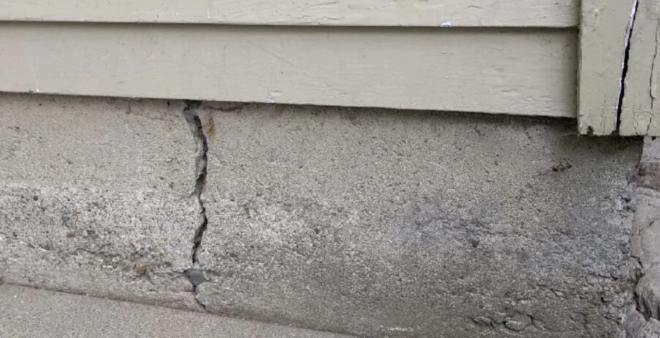
A small foundation crack may seem harmless, but it can lead to water intrusion, mold growth, structural damage, and costly repairs. Learn why early intervention matters.
By Fernando Rebeles July 24, 2026
Understanding the hidden force behind many basement leaks, foundation cracks, and water intrusion problems.