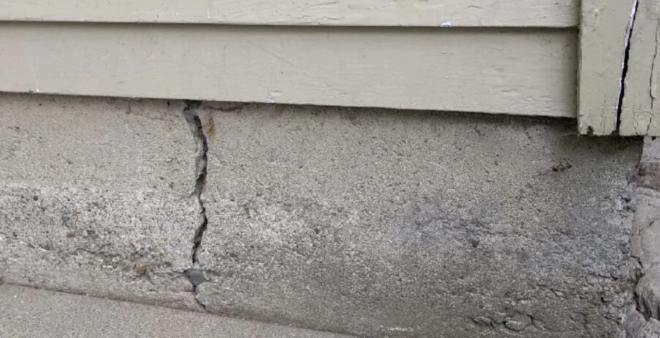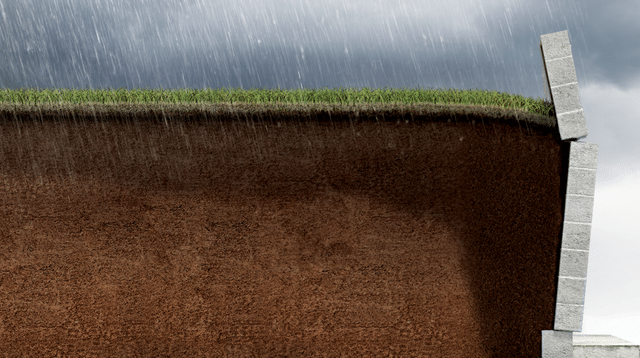
Guide to Basement Waterproofing Materials
Keeping your basement dry and safe is key for your home’s health. This guide looks at many waterproofing materials and solutions. It helps homeowners protect their homes from water damage and moisture.
It covers everything from inside and outside waterproofing products to membrane systems and weeping tiles . This guide is full of important info for keeping your basement safe.
Key Takeaways
- Understand the different types of basement waterproofing materials and their applications
- Learn about interior and exterior waterproofing solutions for comprehensive protection
- Discover the role of weeping tiles in basement drainage and moisture control
- Explore sustainable and eco-friendly waterproofing options for your home
- Gain insights into professional versus DIY waterproofing approaches
Understanding Different Waterproofing Materials for Basements
Basements are close to the ground and can get wet. Homeowners have many membrane , waterproofing , and interior or exterior options. Choosing the right materials is key to keeping a basement dry and safe.
Interior Waterproofing Products
Interior waterproofing products go right on the basement walls. They stop water from getting in. You can find:
- Liquid-applied membranes that make a strong, waterproof layer
- Cementitious coatings that protect concrete walls
- Polyurethane foams that fill in cracks and gaps
These options work well for small leaks. But, they might not fix big problems.
Exterior Waterproofing Solutions
Exterior waterproofing systems go around the basement foundation. You can use:
- Bituminous membranes for a strong, waterproof shield
- Bentonite clay panels that swell to seal water
- Drainage boards to move water away from the foundation
These methods need digging and are more work. But, they last longer and work better.
Hybrid Systems and Combinations
Some people use a mix of interior and exterior membrane systems. This mix offers the best of both worlds. It creates a strong defense against moisture. Homeowners can pick the best option based on their basement and soil .
Essential Types of Basement Membrane Systems
Choosing the right membrane system is key to keeping your basement dry. It stops water and moisture from getting in. Here are the main types of basement membrane systems that can protect your basement:
Sheet Membranes
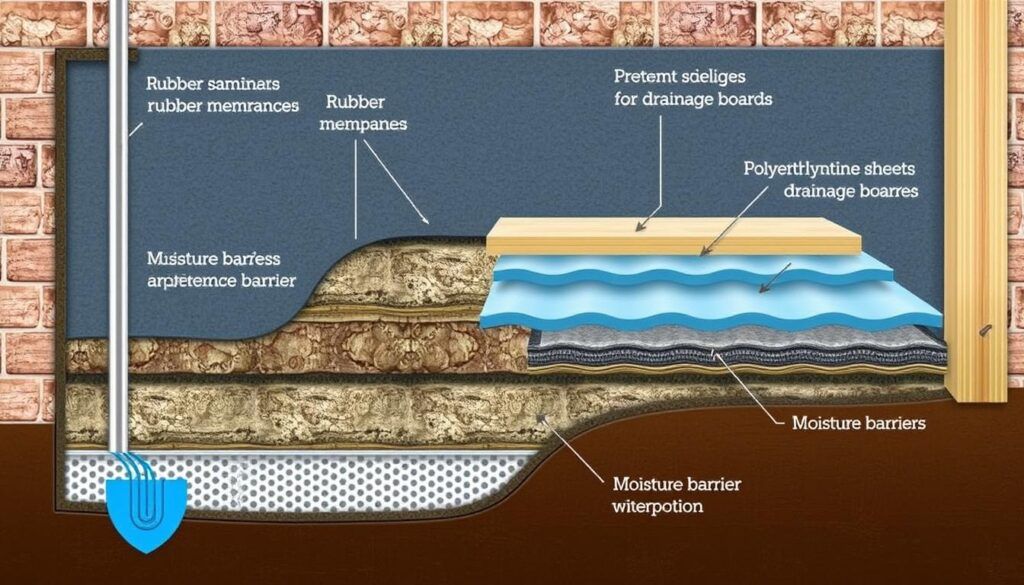
Sheet membranes are solid barriers made from materials like polyethylene or bentonite clay. They are applied to the walls of your basement. These membranes block water from entering your basement structure.
Liquid-Applied Membranes
Liquid-applied membranes are sprayed or rolled onto the walls. They form a continuous barrier. Made from asphalt or polymers, they seal cracks and gaps to keep water out.
Spray-Applied Membranes
Spray-applied membranes are a newer choice for waterproofing. They are sprayed onto the walls, creating a protective layer. This type is great for covering surfaces and sealing irregularities.
Each membrane system has its own benefits. The right choice depends on your basement’s condition, the local climate, and your budget. Talking to a waterproofing expert can help you pick the best membrane for your basement protection .
“Proper basement waterproofing is essential for maintaining a dry, healthy, and comfortable living environment.”
The Role of Weeping Tiles in Basement Protection
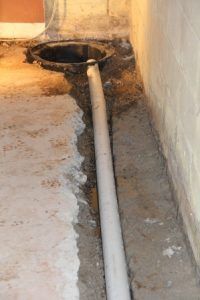
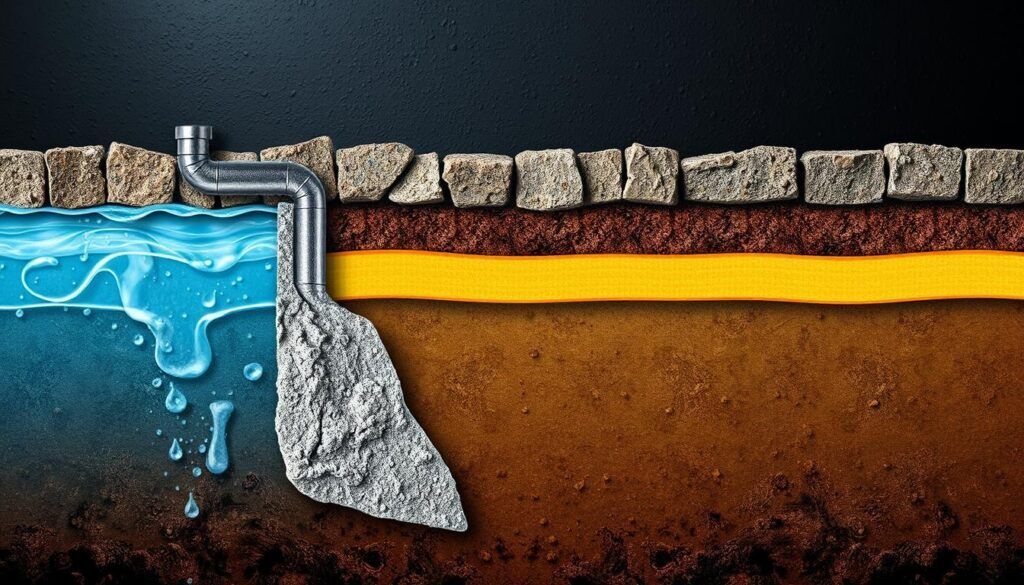
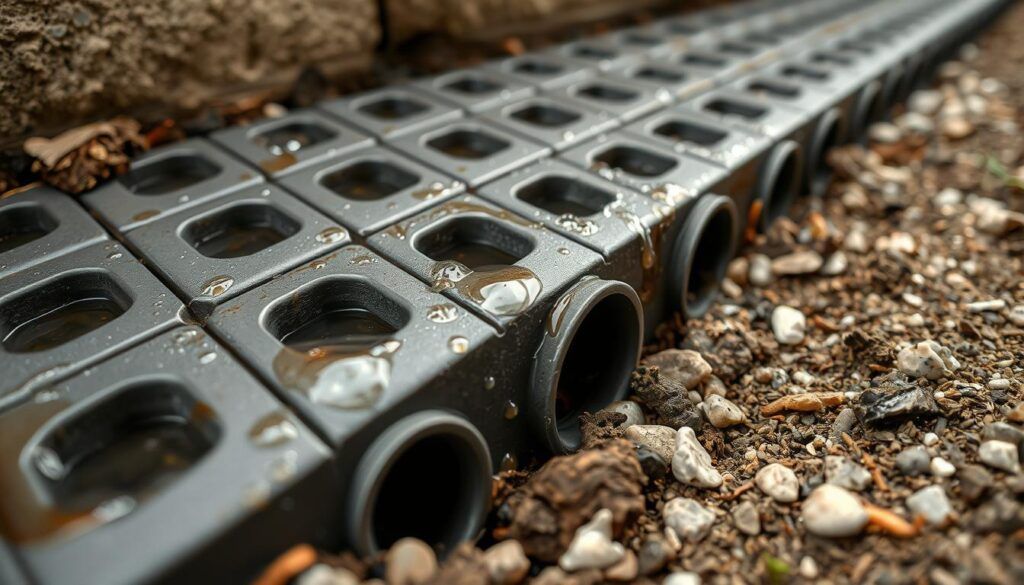
Weeping tiles are key in keeping your basement dry. They are pipes with holes that go around your basement. These pipes help move water away from your home’s foundation, stopping water damage.
Installation Methods and Best Practices
Getting weeping tiles installed right is important. Experts use certain steps to make sure they work well. These steps include:
- Excavating a trench around the basement’s exterior and placing the weeping tiles at the proper depth, typically 6 to 12 inches below the foundation’s footing.
- Securing the tiles in place and ensuring they have a consistent slope to facilitate water drainage .
- Covering the tiles with a protective layer of gravel or crushed stone to prevent clogging and improve water flow.
- Connecting the weeping tile system to a reliable drainage outlet, such as a sump pump or municipal storm sewer, to efficiently remove collected water.
Maintenance Requirements
Keeping your weeping tile system in good shape is key. This means:
- Inspecting the system periodically for any signs of blockage or damage.
- Clearing out debris, such as leaves or silt, that can accumulate and obstruct water flow.
- Repairing or replacing damaged or malfunctioning components, such as broken tiles or a faulty sump pump.
Signs of Weeping Tile Failure
Spotting early signs of weeping tile trouble is important. This can help avoid big problems. Look out for:
- Visible water seepage or dampness on basement walls or floors.
- A musty or damp odor in the basement.
- Standing water around the perimeter of the basement.
- Cracks or structural damage to the foundation.
Knowing how weeping tiles work, how to install them, and the need for upkeep helps keep your basement dry. This protects your home from water damage.
Selecting the Right Waterproofing Materials for Your Soil Type
Choosing the right materials for basement waterproofing depends on your soil type. The type of soil you have can greatly affect how well waterproofing works. It’s important to know what kind of soil you have.
Soil types vary a lot, from clay-heavy to sandy or loamy. Clay-based soils are less likely to let water through, needing strong waterproofing. Sandy or loamy soils might need more flexible solutions because they can shift and drain water differently.
- For clay-heavy soils, choose rigid waterproofing membranes or hydraulic cement-based coatings. They can handle the pressure and water.
- In sandy or loamy soil, flexible liquid-applied membranes or bentonite-based systems work well. They move with the soil and protect well.
- If you’re near a high water table or at flood risk, hybrid waterproofing systems are a good choice. They use both inside and outside solutions.
By choosing the right waterproofing for your soil, your basement will stay dry and safe. This protects your investment and makes your home comfortable.
Professional vs DIY Waterproofing Materials
When it comes to waterproofing your basement, you have two main options. You can hire professional contractors or do it yourself. Each option has its own pros and cons. Let’s look at the main differences between professional and DIY waterproofing materials.
Cost Comparison Analysis
The cost is a big factor in choosing between professional and DIY waterproofing. DIY materials are often cheaper, with items like sealants and coatings costing less. But, professional waterproofing might be more expensive. Yet, it comes with the expertise and labor of skilled contractors.
Application Complexity Levels
Applying waterproofing materials can be simple or complex, depending on the product and your basement’s condition. DIY waterproofing works well for simple tasks like applying sealants . But, more complex jobs like external membrane systems need professional waterproofing contractors.
Required Tools and Equipment
- For DIY waterproofing , you might need basic tools like trowels and caulking guns. These are easy to find.
- Professional waterproofing might need special equipment, like high-pressure sprayers. These tools are not usually available to homeowners.
The choice between professional and DIY waterproofing depends on your budget, skills, and basement needs. Think carefully about your options to find the best solution for your home’s protection .
Modern Sealants and Coating Technologies
In the world of basement waterproofing, new tools have been developed. Sealants and coatings help fight moisture and water. They offer better protection and last longer, making basements safer.
One new sealant is silicone-based. It’s flexible and strong, sealing cracks and joints well. Polyurethane-based sealants also work great, staying waterproof even when buildings move.
Coatings have also changed the game. Epoxy-based coatings stick well, resist chemicals, and look smooth. Acrylic coatings let moisture out but keep water out.
“The integration of advanced sealants and coatings has empowered homeowners and professionals to tackle even the most challenging basement waterproofing scenarios with confidence and long-lasting results.”
New systems mix sealants and coatings for better results. They use the best of both worlds, offering strong and flexible waterproofing.
Homeowners and contractors want better solutions for basements. The industry has answered with new sealants and coatings. These advancements help keep basements dry and safe.
Preventive Waterproofing Strategies for New Construction
Protecting your basement from water damage starts with being proactive. For new homes, adding waterproofing early on can save you money later. By using preventive measures, your basement will stay dry and safe for many years.
Foundation Design Considerations
The foundation is key to keeping your home dry. Contractors should look at the soil, water levels, and water flow when designing. This helps choose the right materials and methods, like waterproof membranes or sealants.
Material Integration Methods
- Incorporate waterproof membranes or coatings into the foundation walls and floor during the pouring and curing process.
- Install weeping tiles or drainage systems around the perimeter of the foundation to divert water away from the basement.
- Use waterproof sealants and caulks to fill any cracks or gaps in the concrete, preventing moisture intrusion.
- Integrate water-resistant building materials, such as moisture-resistant drywall or insulation, into the basement construction .
By focusing on waterproofing early, you can have a dry, safe basement for years. This approach gives you peace of mind.
“Preventive waterproofing is the most effective way to ensure the long-term integrity of your basement and protect your home from costly water damage.”
Common Material Failures and Troubleshooting
Keeping your basement dry is key to avoiding expensive water damage. Even top-notch materials can fail over time. Knowing the common problems and how to fix them is crucial for homeowners and contractors.
One big issue is when the membrane or sealant cracks or wears out. This might happen due to soil settling, foundation shifts, or extreme temperatures. To fix this, a detailed check and reapplying the basement waterproofing material might be needed.
Another common problem is with weeping tiles , which help keep water away from the foundation. Issues like clogs, damage, or wrong installation can cause water to get in. Cleaning the weeping tiles, fixing any damage, and making sure they drain right can usually solve this troubleshooting problem.
Choosing the wrong waterproofing material for your soil or climate can also lead to early failures. It’s wise to talk to a pro or do your homework before picking the right fix.
By tackling these common waterproofing problems and using the right fixes, you can keep your basement dry. This protects your property from the expensive damage water can cause.
Environmental Impact and Sustainable Waterproofing Options
Homeowners are now looking for eco-friendly ways to keep their basements dry. You don’t have to harm the environment to protect your home from moisture. There are many green waterproofing options that are good for both your home and the planet.
Eco-friendly Materials
Materials like natural clay-based sealants, plant-derived membranes, and recycled plastic liners are becoming more popular. These options not only keep your basement dry but also help the environment. By choosing these sustainable choices, you help the planet and keep your home waterproofed and protected .
Long-term Environmental Benefits
These eco-friendly materials also offer long-term benefits. They last longer, so you don’t need to replace them as often. This means less waste and a smaller carbon footprint. Choosing sustainable basement waterproofing helps your home and the environment.
“Embracing eco-friendly waterproofing solutions is a simple yet impactful way to protect your home and the planet simultaneously.”
Conclusion
Choosing the right materials for basement waterproofing is key. It keeps your home safe and strong. This guide has shown you many options, like membranes and sealants. These help protect your basement from water.
It’s important to pick materials that fit your home’s needs. This includes your soil, budget, and if you can do it yourself. Knowing what works best for you helps a lot.
There are also ways to prevent water problems before they start. And, if materials fail, you can find new ones. This way, your basement stays dry and safe.
Good waterproofing makes your home more valuable and comfortable. Take your time to look at all the options. If you need help, talk to experts. This way, your basement will stay dry and useful for many years.
The post Guide to Basement Waterproofing Materials appeared first on ACCL Waterproofing.