Basement Foundation Underpinning Methods
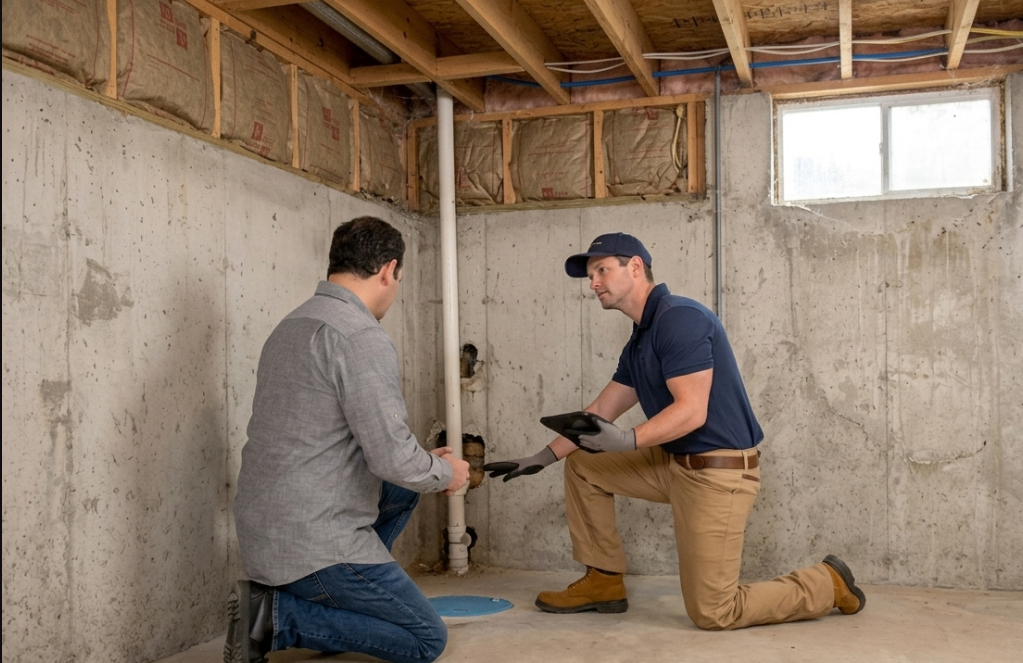
In construction, basement foundation underpinning is the process of strengthening and stabilizing the foundation of an existing building or other structure or most commonly done for the purpose of basement lowering thereby creating additional height. Creating basement space under the existing structure also requires underpinning after excavation.
Basement foundation underpinning may be necessary for a variety of reasons:
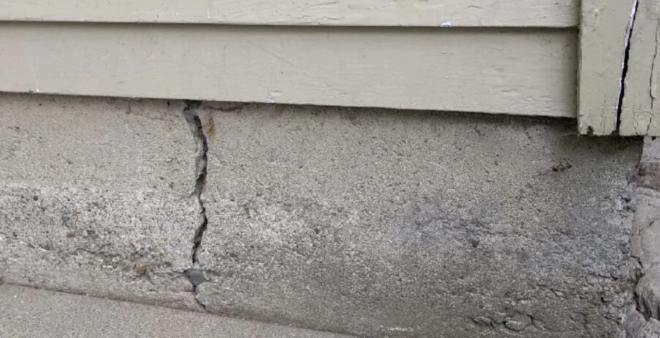
- The foundation is too weak or cracked.
- The usage of the structure has changed.
- The properties of the soil supporting the foundation may have changed
- The construction of nearby structures requires the excavation of soil supporting existing foundations.
- It is more economical, possibly due to land price, to work on the current structure’s foundation than to build a new one.
Underpinning is accomplished by extending the foundation in depth or in breadth, so it either rests on a more supportive soil stratum or distributes its load across a greater area.
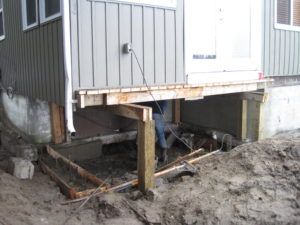 The mass concrete underpinning is the most traditional method used. This underpinning method strengthens the existing structure’s foundation by digging boxes by hand underneath and sequentially pouring concrete in a strategic order. The final result is basically a foundation built underneath the existing foundation. This underpinning method is generally applied when the existing foundation is at a shallow depth; however, it still works very well even at fifty feet deep. Heavy machinery is not recommended due to the tight nature of the boxes being dug. There are several advantages to using this method of underpinning including the simplicity of the engineering, the low cost of labour, and the continuity of the structure’s uses during construction.
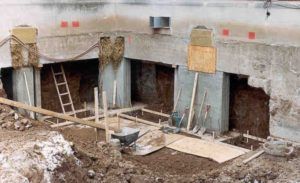 The beam and base method of underpinning is a more technically advanced adaptation of traditional mass concrete underpinning. A reinforced concrete beam is constructed below, above or in replacement of the existing footing. The beam then transfers the load of the building to mass concrete bases, which are constructed at designed strategic locations. Base sizes and depths are dependent upon the prevailing ground conditions. Beam design is dependent upon the configuration of the building and the applied loads.
Use of micro piles and jet grouting (non-shrinking grout) are also common methods in underpinning. An alternative to underpinning is the strengthening of the soil by the introduction of anon shrinking grout and/or construction of a retaining wall commonly known as benching.
All of these processes are generally expensive and elaborate.
The post Basement Foundation Underpinning Methods appeared first on ACCL Waterproofing.