Sump Pumps- Picking the right one for your home!
Picking the right sump pump for you home/investment
The best solution to protecting your property from floods, thaws and heavy rain conditions is prevention. Not only can standing water in your basement be a significant inconvenience, but it can also cause health hazards such as mold, and mildew growth. One of the best ways to keep your wet basement dry and safe of any flooding is to install and maintain a sump pump. In this article we will discuss the four different types you can choose from such as; a battery backup sump pump, a combination sump pump, a primary sump pump, and a sewage sump. Each different type has its own advantages. Below we have listed those advantages for you to consider – remember to consult with a specialist before purchasing.
Four types of sump pumps:
Primary sump pumps (two categories):
Submersible pump –
A submersible pump is placed underwater within the pump basin.
Pedestal pump –
A Pedestal pump is positioned half in and half out of the basin. The pump base is submerged while the motor is located above. Typically pedestal pumps are best used for homes with a small basin.
Primary sump pumps are designed to keep out seepage and protect your home from flooding – they are the most common for homes.
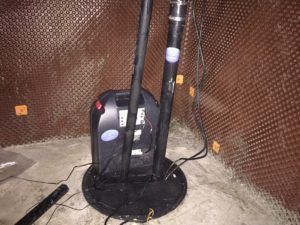
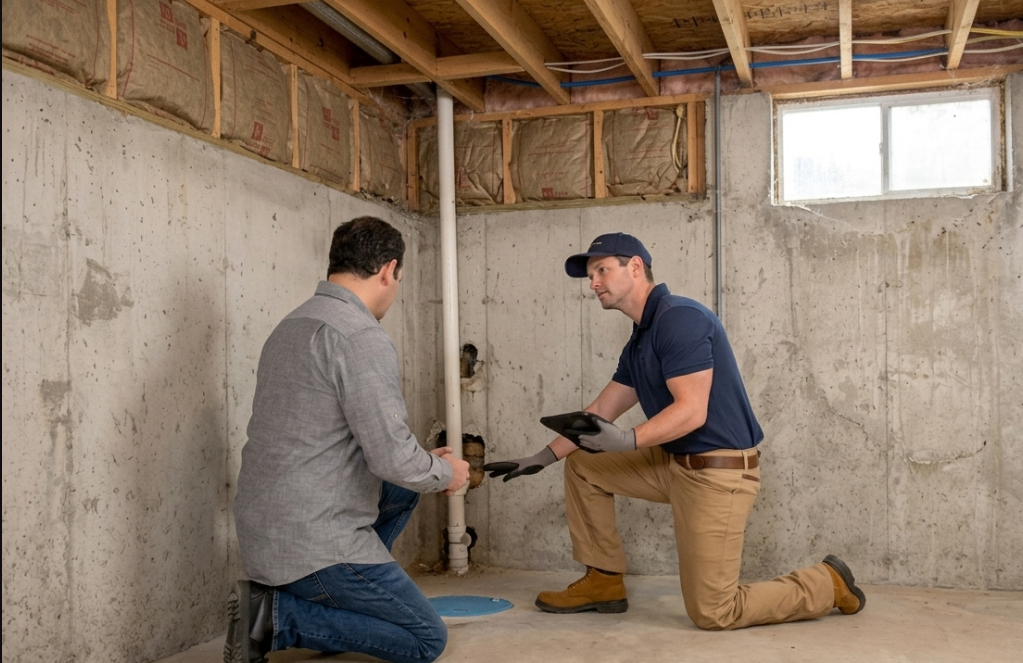
Sump pump installed
Submersible pump – A submersible pump is placed underwater within the pump basin.
Pedestal pump – A Pedestal pump is positioned half in and half out of the basin. The pump base is submerged while the motor is located above. Typically pedestal pumps are best used for homes with a small basin.
Primary sump pumps are designed to keep out seepage and protect your home from flooding – they are the most common for homes.
Sump pump installed
Battery Backup Sump Pumps:
When a power outage happens, or your power shuts off a traditional sump pump will stop working. Typically, during power outages is when big storms are happening- this is when you need your pump the most. A battery backup sump pump is not meant for daily use, but rather meant to be used in cases of emergency. A battery backup pump will automatically pump water out and away from the house when there is power loss or if the primary sump fails. It will also pump water out if the primary pump becomes overwhelmed.
Combination Sump Pumps:
Combination pumps merges with a primary sump pump along with a battery backup. Combination sump pumps give you the full benefits of both systems and are mostly used in areas with heavy floods and rainfalls.
Sewage Pumps
Unlike sump pumps, sewage pumps are used to pump sewage waste out of the home and into the septic system. They are either installed in the septic tank or separate chamber and run automatically.
Does Your Home Need a Sump Pump?
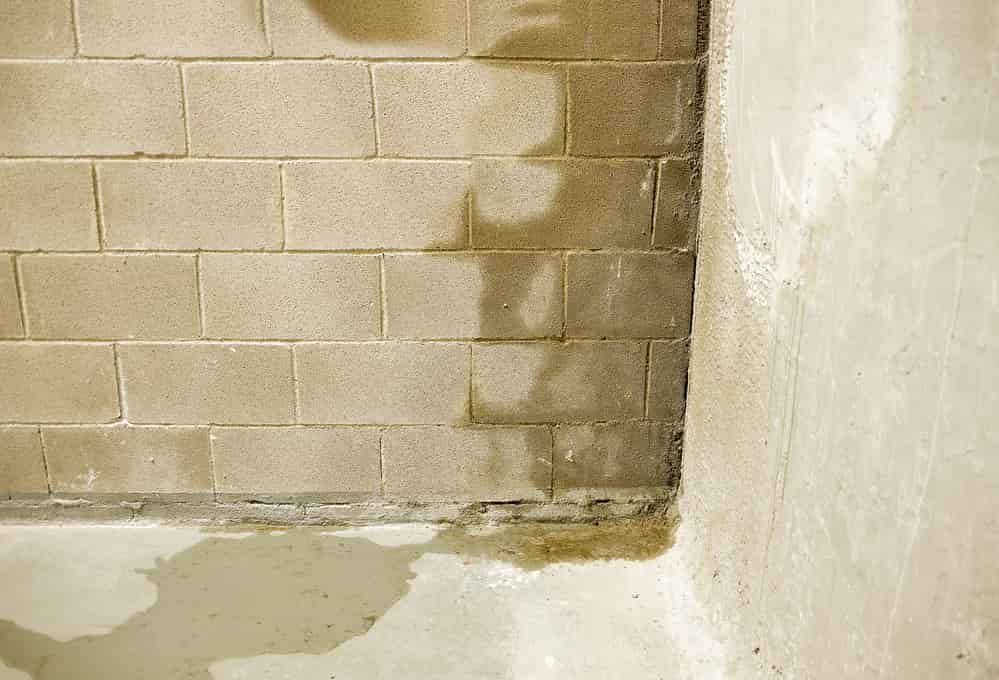
Evidence of water in your basement in a clear indication that you need to find the solution to the cause of the water. Any damage to your drywall, flooring, or wall coverings is a result of moisture, meaning you would need waterproofing done.
A sump pump installation is important if you have had:
- Past water problems.
- If your house is on flat land with little drainage, in a region with strong snowfalls or raining, or on poorly draining soil.
- Ageing pump.
Overall a sump pump will defend your home against a wet basement or a basement flooding. It will protect wall coverings and paint from peeling, protect metal appliances from corrosion, as well as prevent molds, mildew, fungus and insect infestation.
Don’t Drown in a wet basement!
Rely On Wet Basement Waterproofing Experts in Toronto
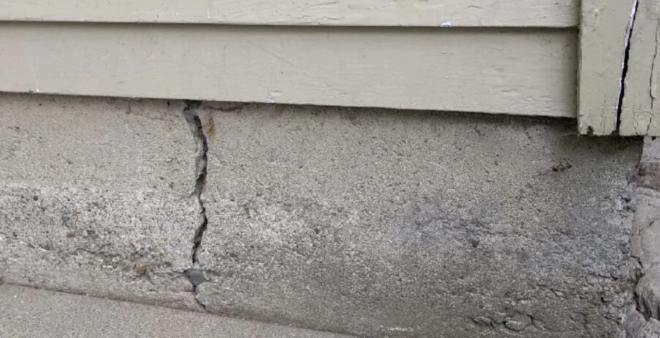
If you’ve noticed foundation cracks, spots, water, mould, and mildew, don’t ignore the signs or it could lead to more damage and possible health effects.
The basement waterproofing specialists at ACCL Waterproofing know how to repair your basement and foundation walls and keep moisture out of your basement. We would be pleased to develop a guaranteed solution to keep your basement dry!
Click here to view our February promotions!
The post Sump Pumps- Picking the right one for your home! appeared first on ACCL Waterproofing.