Is your basement spring ready?
Ensuring your basement is spring ready!
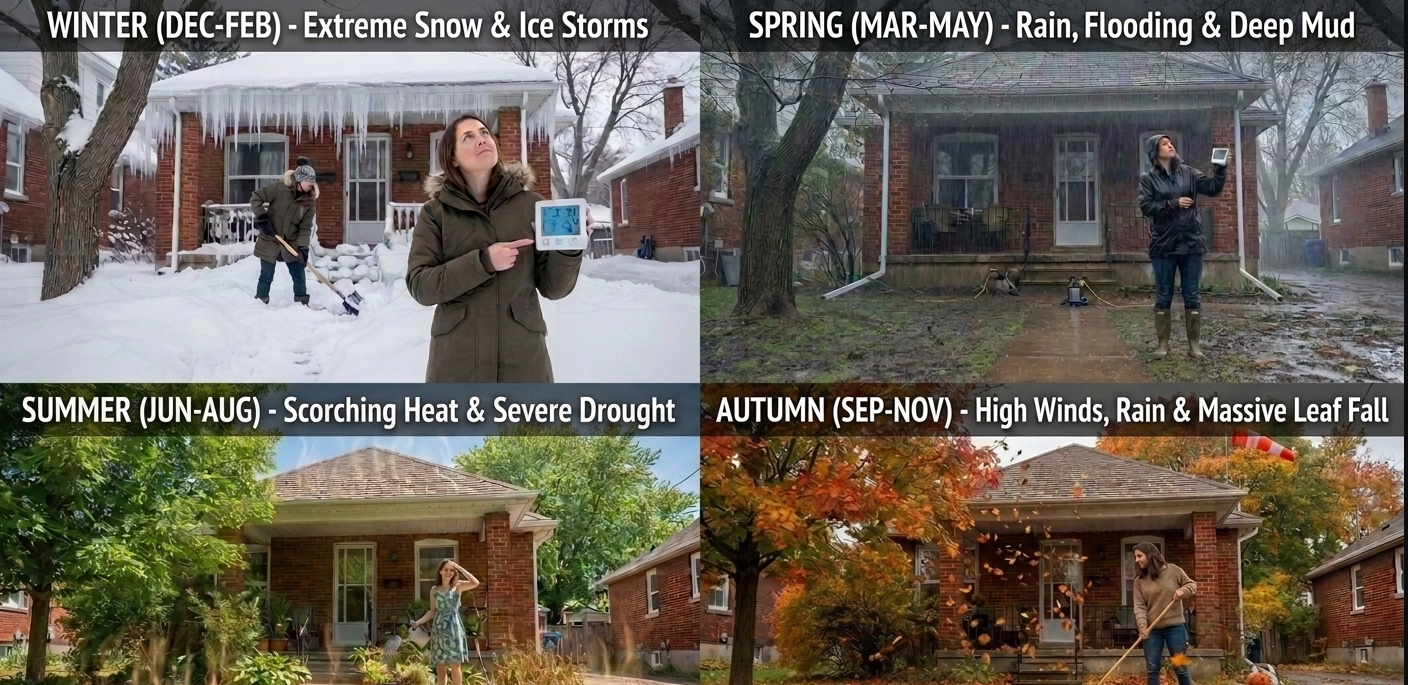
Spring has finally arrived! Flowers are beginning to bloom, trees are beginning to get leaves, and the birds are singing. Aside from all the spring excitement you may also notice rain and thunderstorm season is upon us making it important that you take the necessary precautions to protect your basement from flooding. In this article the Waterproofers from ACCL Waterproofing will go over the top 3 steps you should take in order to prevent flooding in your basement.
Step one:
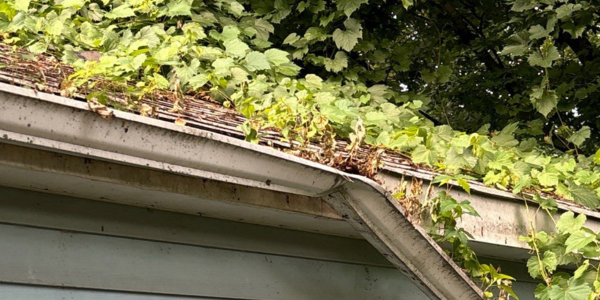
Clean Your Gutters and Downspouts:
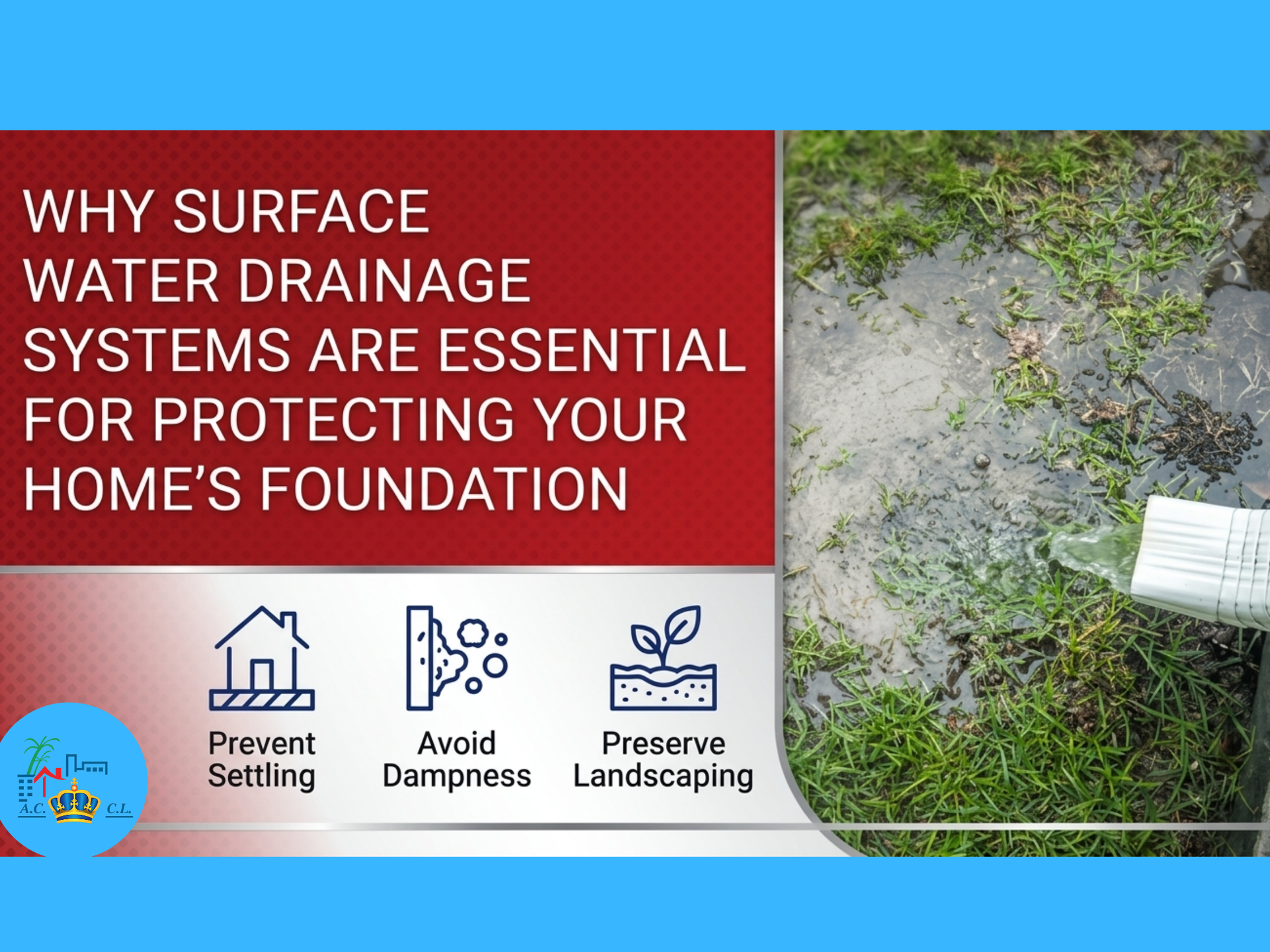
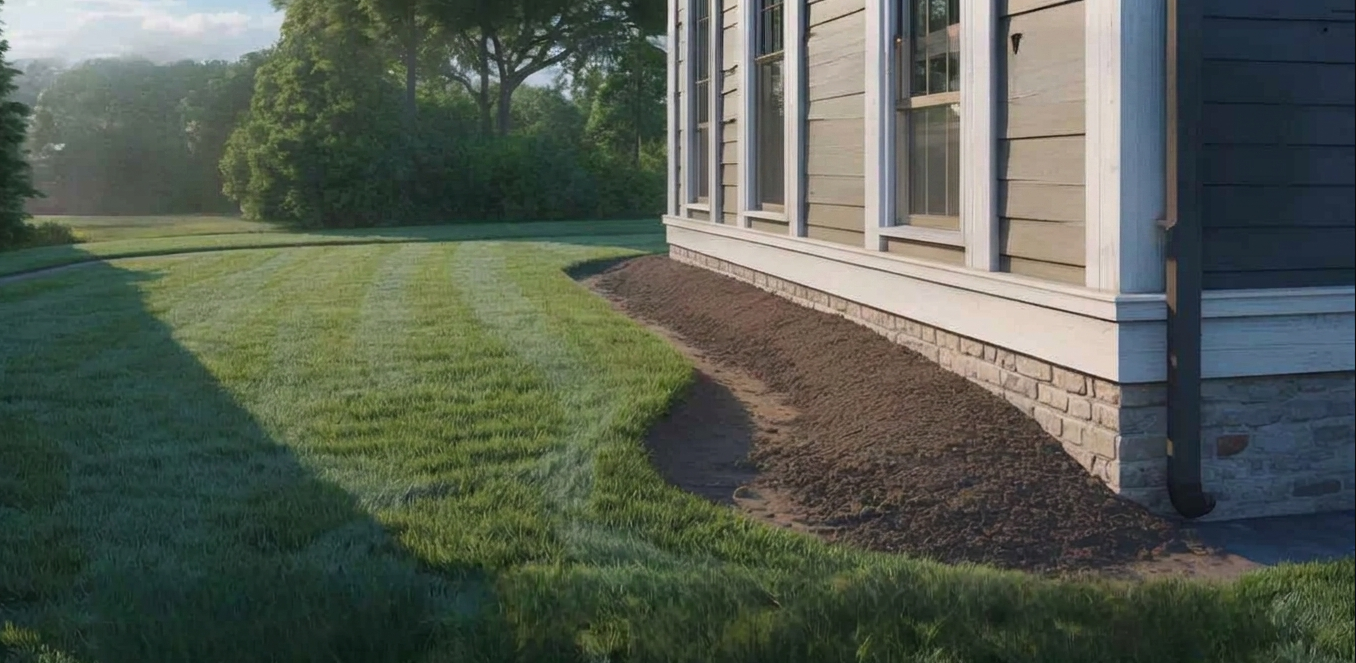
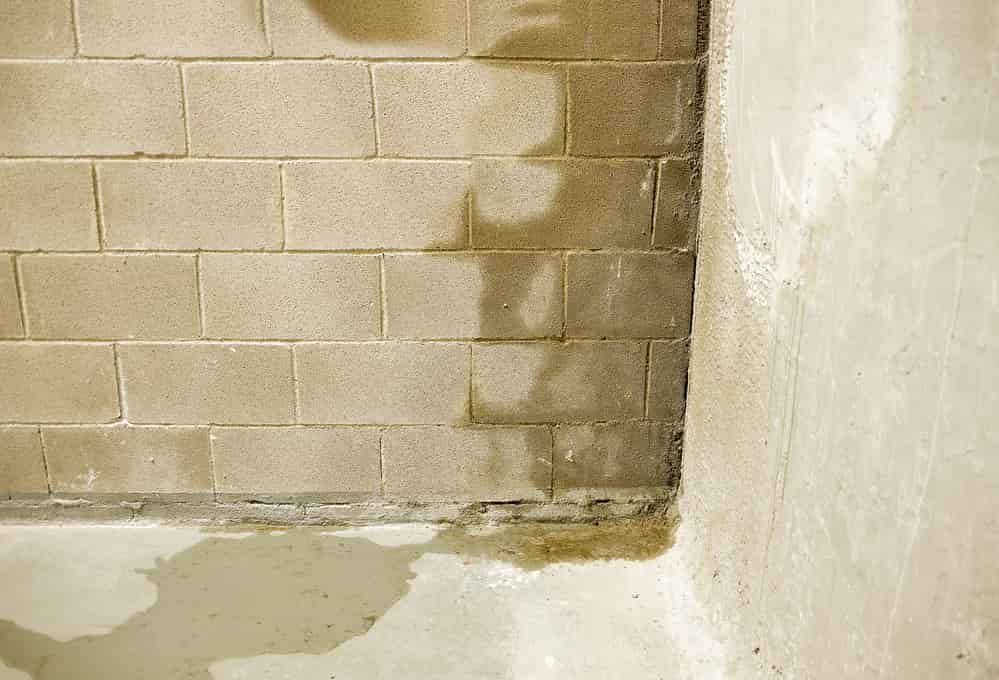
It’s important to keep your gutters clean in order to effectively keep rainwater away from your home. Gutters and downspouts direct rainwater and melting snow off the roof into areas away from the foundation. Excessive buildup of leaves and debris from the left-over winter season, causes the rainwater to not be able to flow freely, potentially causing problems with your roof and causing a leaky basement. Your downspouts should be at least 5 feet away from your home. If the water from the downspouts doesn’t make it far away enough from the home, it can pool around the foundation of the home causing hydrostatic pressure on the foundation with possible crawl space or basement flooding.
Insuring you check your gutters this spring season will prevent any water damage that can occur when they are clogged. It also helps prevent corrosion which could lead to costly repairs or a gutter replacement. Therefore, it’s a good idea to clean your gutters regularly.
Step Two:
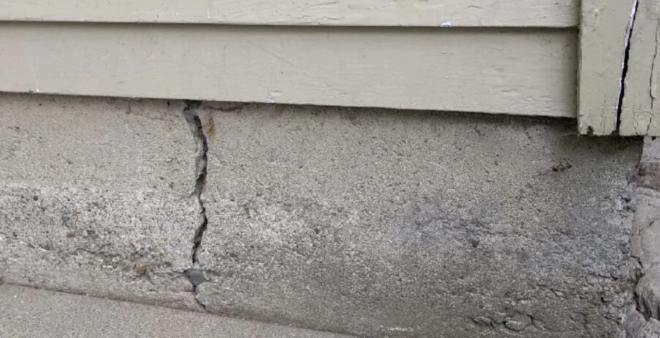
Checking for Cracks:
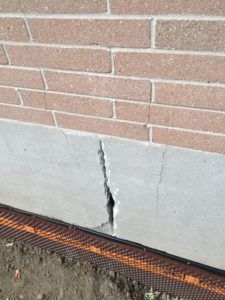
Noticing any cracks on your basement walls or floor could potentially put you at risk for basement leaks or if you are already experiencing basement leaks it could be the reason. A short walkthrough of your homes inside and outside as well as checking along your foundation walls for cracks can be critical to ensuring full basement flood protection this spring. If you see any and have worries or are unsure how to spot these cracks, call ACCL Waterproofing for a free estimate and we’ll let you know what’s going on and how it can be fixed.
Step Three:
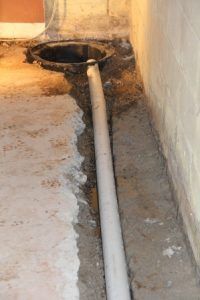
Testing Sump Pumps:
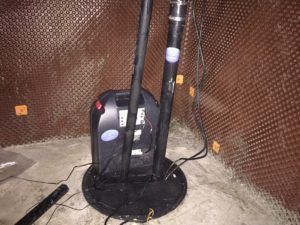
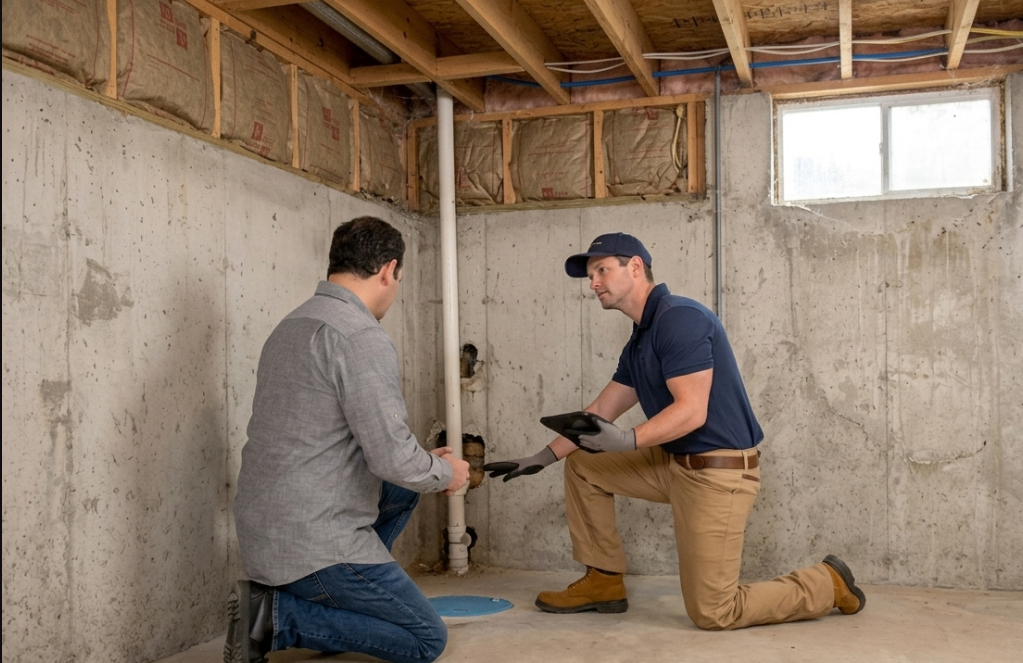
One of the best ways to keep your wet basement dry and prevent any flooding is to install and maintain a sump pump. its important to check on your sump pump periodically. Having a visual inspection should let you know if the sump pump is working property or if it is not, catching a sump pump problem early can be crucial to keeping water from rainfalls away from the inside of your home. Even when it’s not rain or thaw season you should still check on your sump pump to ensure its operational. A simple way to test your sump pump is to pour a bucket of water into the sump pit – if it starts up automatically this means your sump pump is functional.
If you have a sump pump in your basement (which you probably should), you need to test it regularly. First, check to make sure that it’s working. Where your outlet is, you should see two plugs. Unplug both, and then plug in the one just for your pump. If it doesn’t turn on right away, it is not working right. If it does work, make sure to plug back in the other plug in the outlet to make sure that your sump pump is ready to go. Next, pour water into your sump pump. This will show you in real time if it’s going to work.
Don’t Drown in a wet basement!
Rely On Wet Basement Waterproofing Experts in Toronto
If you’ve noticed foundation cracks, spots, water, mold, and mildew, don’t ignore the signs or it could lead to more damage and possible health effects.
The basement waterproofing specialists at ACCL Waterproofing know how to repair your basement and foundation walls and keep moisture out of your basement. We would be pleased to develop a guaranteed solution to keep your basement dry!
Click here to view our May promotions!
The post Is your basement spring ready? appeared first on ACCL Waterproofing.