Spring Has Arrived. Is Your Basement Ready?
Spring Has Arrived. Is Your Basement Ready?
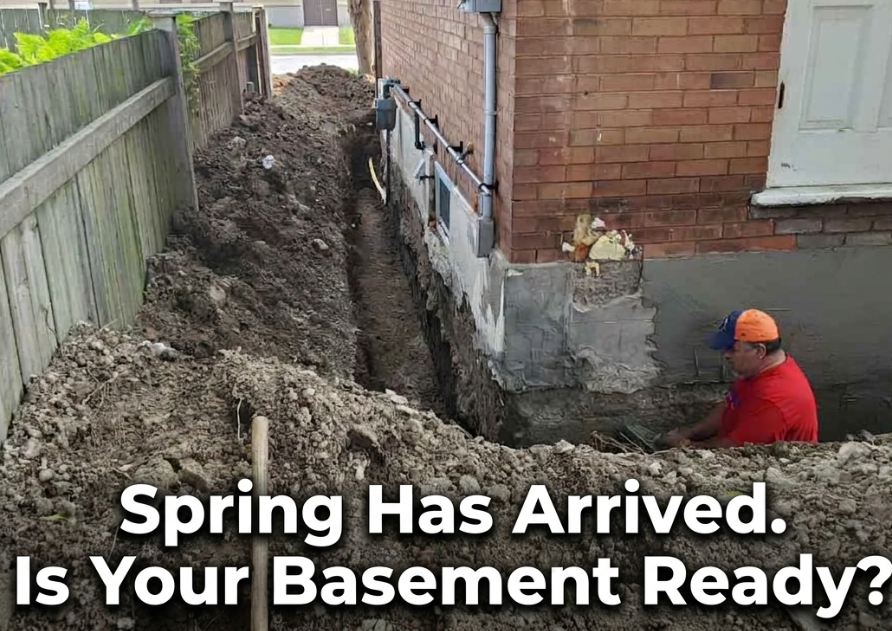
This image shows a major foundation waterproofing project we completed last year in Ontario. It captures the deep excavation and parging work required to seal a home’s exterior against the heavy spring snowmelt and rains common in our region. By exposing the foundation down to the footings, we were able to repair cracks and apply a high-grade waterproof barrier, ensuring this basement stays dry for years to come.
As the snow melts and temperatures begin to rise across Oshawa, many homeowners start thinking about spring cleaning, yard work, and enjoying longer days. But there’s one thing that often gets overlooked: your basement’s ability to handle spring moisture.
April is one of the most critical months for foundation and waterproofing issues in Durham Region. With fluctuating temperatures, melting snow, and increased rainfall, your home is at risk of water intrusion.
Why April Is a High-Risk Month for Basement Leaks
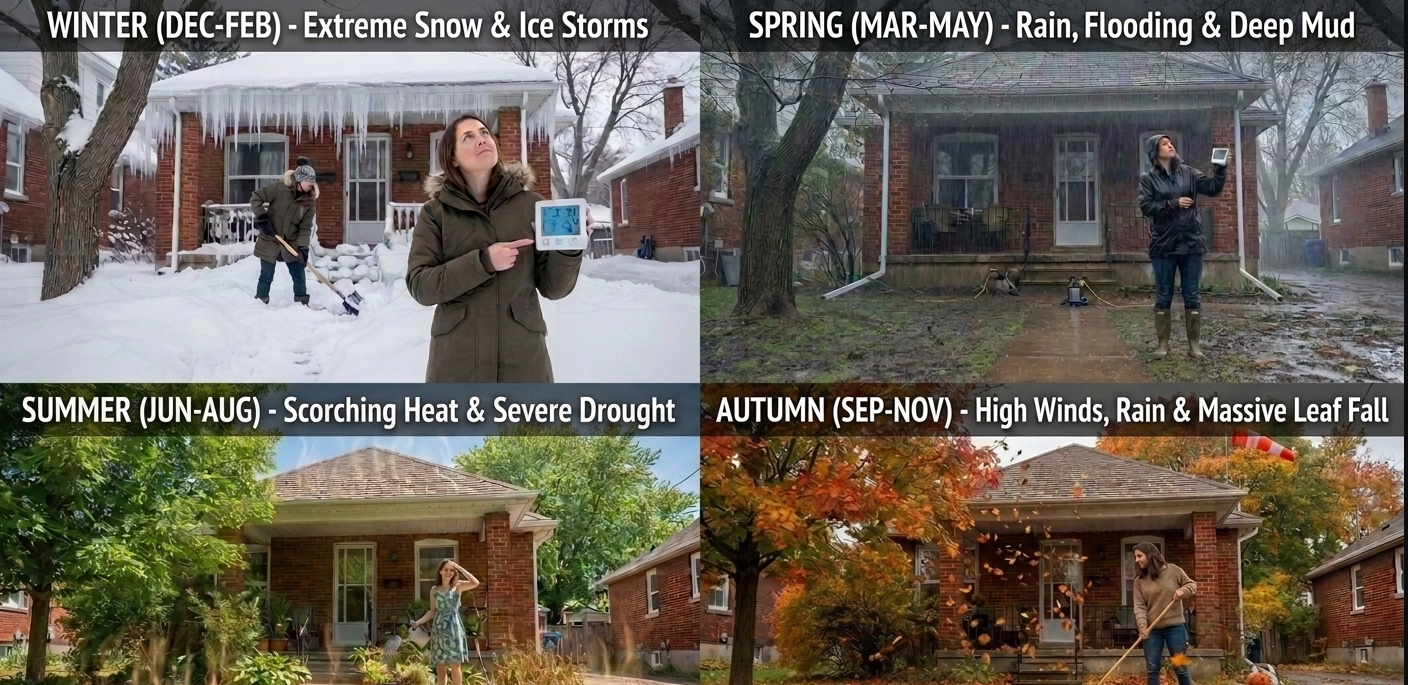
During winter, the ground around your home freezes and expands. As temperatures rise in early spring, the soil begins to thaw and shift. This process can:
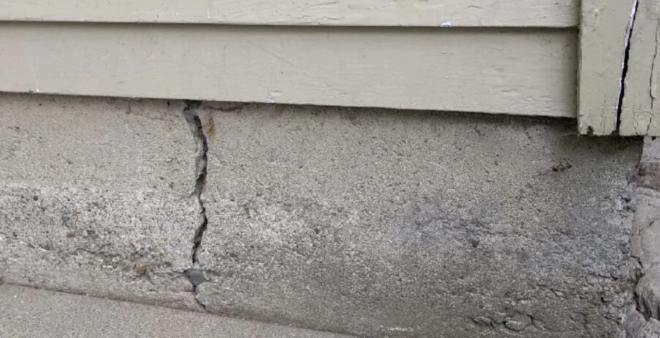
- Create small cracks in your foundation
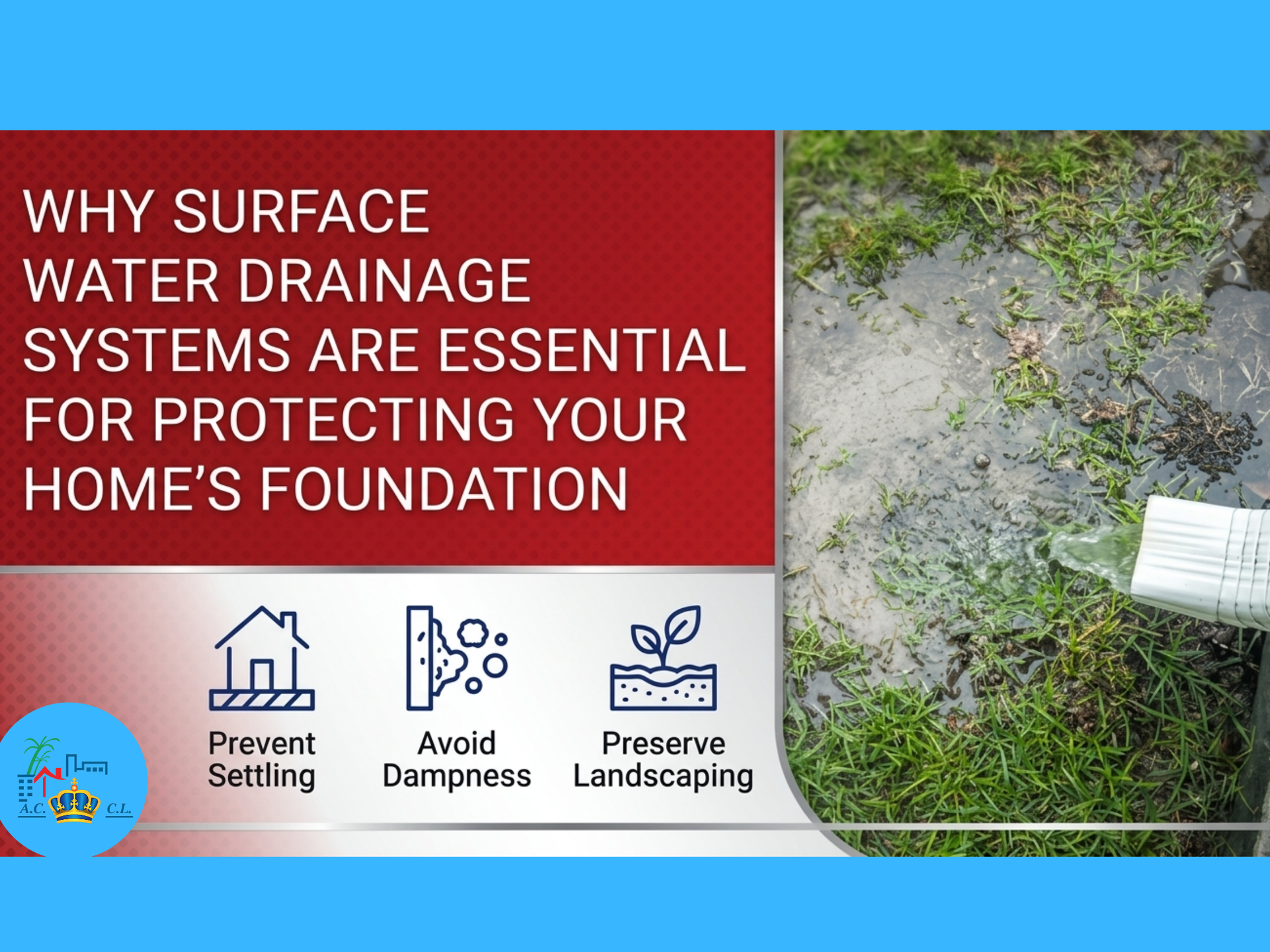
- Allow water to pool near your home
- Put pressure on the basement walls (hydrostatic pressure)
At the same time, melting snow adds extra water to the soil, while spring rain further increases saturation levels. The result? Water starts looking for the easiest way into your home, and your basement is often the weakest point.
3 Signs Your Basement Might Be at Risk This Spring
Before a small issue turns into a costly repair, watch for these early warning signs:
1. Damp or musty smell
Even if you don’t see water, a persistent smell can mean moisture is already getting in.
2. Hairline cracks in walls or floors
These may seem harmless, but in spring, they can quickly become entry points for water.
3. Water stains or peeling paint
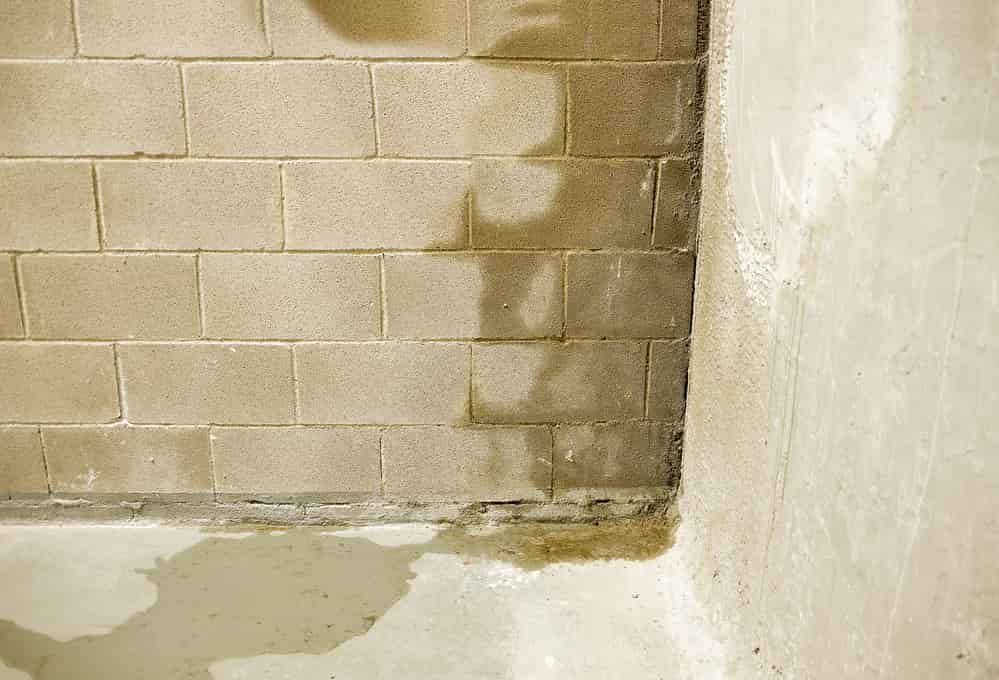
This is often a sign that water has already made its way inside.
What You Can Do Right Now
(Before Problems Start)
Spring is the best time to act, not after a flood. Here are simple but effective steps you can take today:
- Check your downspouts: Make sure they extend at least 5–10 feet away from your home
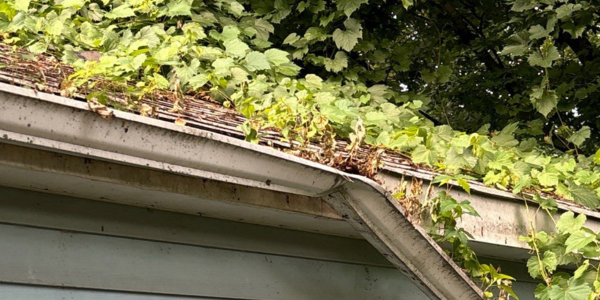
- Clear gutters: Blocked gutters cause water to overflow and pool near your foundation
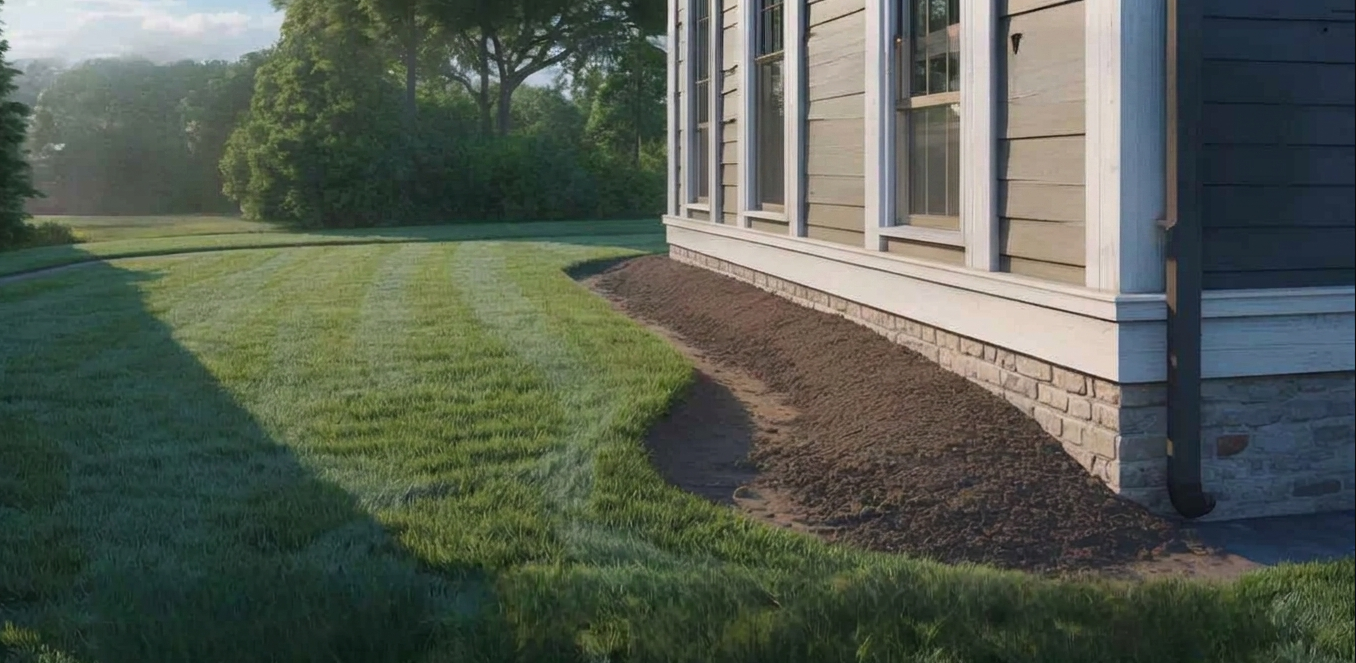
- Inspect grading: The ground around your home should slope away, not toward it
- Seal visible cracks early: Small fixes now prevent bigger repairs later
When to Call a Professional
If you notice recurring moisture, visible cracks, or water entering your basement during rain, it’s time to bring in an expert.
Professional waterproofing doesn’t just fix the issue; it protects your home long-term by addressing the root cause, whether it’s drainage, foundation cracks, or exterior sealing.
Don’t Wait for the First Heavy Rain
In Ontario, spring weather can change quickly. One heavy rainfall after days of melting snow can overwhelm even a “mostly fine” basement.
Taking action early in April can save you thousands in repairs—and give you peace of mind for the rest of the year.
Need help assessing your basement this spring?
A quick inspection now can prevent major headaches later. Reach out to our team for a free estimate and keep your home dry all season long.