Mold Basement Prevention and Warning signs?
Preventing Basement Mold- What Are The Warning Signs?
Mold and fungi can be an unseen problem in your home and are found virtually in every environment. Molds can be detected, indoors and outdoors, year-round, they grow best in warm, damp, dimly lit and humid conditions, and spread and reproduce by making spores.
Indoors they can be found where humidity levels are high, such as basements, bathrooms, crawl spaces and attics. Mold is also common in other areas if there is a leak in the roof, windows, pipes, or seasonal flooding.
Because mold spores are very tiny and very light, they easily become airborne. Once floating around in the air, spores are easily inhaled by anyone in the vicinity. It’s not healthy to inhale any type of spores and some people are extremely sensitive or even allergic to molds. For these people, exposure to molds can cause symptoms such as headaches, fever, nasal stuffiness, sneezing, eye irritation, sore throats, wheezing, shortness of breath, skin irritation and even lung infections. It is very common to find mold in basements, since basements are often damp places. Most people may not notice mold is growing until the problem becomes severe. Basement mold removal can be difficult, so prevention is important.
Preventing Basement Mold:
- Use a dehumidifier if the basement feels damp or smells musty at all.
- Check for leaks around any basement windows and make any needed repairs as soon as possible.
- If you have a washer and dryer in the basement, make sure there are no leaky pipes or hoses and that the dryer is properly vented to the outdoors.
- If your hot water heater is in the basement and is getting old, monitor it for leaks.
- If you have a bathroom in the basement, make sure there are no leaks around the toilet or under the sink
- If you find mold growing elsewhere in the house, deal with it as soon as possible. Most kinds of mold spread quickly and easily and a mold problem that starts upstairs can soon end up causing problems in the basement, as well.
Warning signs there is mold in your basement:
- Smelling: Even if you can’t see the mold in your home you will be able to smell it. Do not ignore the signs call a professional to investigate.
- Condensation: Seeing condensation in your home means that there is excess moisture. Moisture problems are a breading ground for mold to grow in.
- Health Problems: If you are experiencing health problems such as: headaches, dizziness, listless, and congestion these can be a serious symptom and sign.
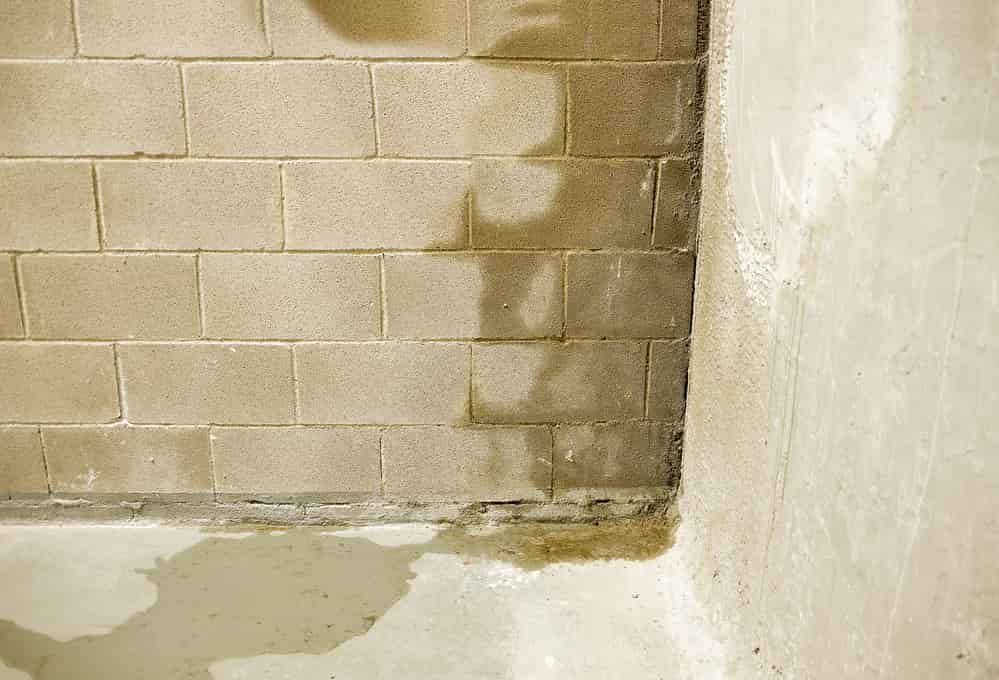
- Standing Water: Seeing pools of standing water around your foundation is a sign that there could be mold in your basement. Water can seep through your foundation and bring moisture into the basement.
- Noticeable Water Issues: Having a long-term water issue is another sign. Noticing water stains, bubbling & cracking paint or wallpaper, you need to check for mold.
- Humidity: Aside from moisture humidity can be a sign that you have mold. Humidity leads to condensation. To keep your humidity levels down you should use a dehumidifier
- Damp Basement: If you have a damp or wet basement it could be a sign of mold.
Sometimes, despite the best efforts at prevention, homeowners end up with mold in their basement. Basement mold removal can either be simple or complex depending on the extent of the mold growth and the types of surfaces on which the mold is growing. If your basement has concrete walls and a concrete floor, mold can usually be removed with an antimicrobial cleanser and a scrub brush. If you have a finished basement and there is mold on drywall, ceiling tiles or carpet, the process becomes more complicated. It is almost always impossible to remove completely from porous surfaces because the microscopic mold spores get inside the microscopic pores in the materials and even when you clean the visible mold from the surface, some spores remain. Those types of materials must be removed and replaced with new, mold free materials. Before beginning the process, the work area should be sealed off with heavy sheets of plastic to prevent spores from spreading to other areas of the home. Materials should be sealed in plastic trash bags before they are carried out of the home. It’s important to wear safety gear, including an N-95 respirator mask, during mold in basement removal to prevent exposure to spores that can make you sick.
Rely On Wet Basement Waterproofing Experts in Toronto
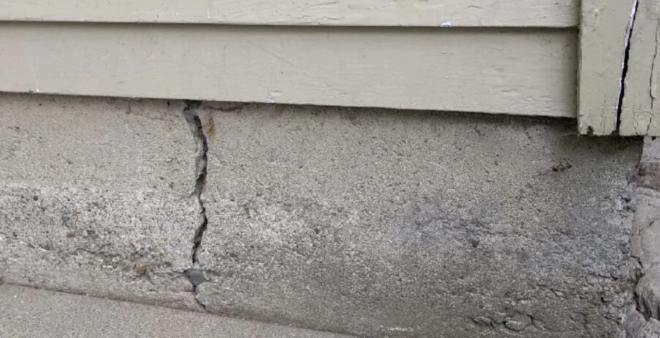
If you’ve noticed foundation cracks, spots, water, mold, and mildew, don’t ignore the signs or it could lead to more damage and possible health effects.
The basement waterproofing specialists at ACCL Waterproofing know how to repair your basement and foundation walls and keep moisture out of your basement. We would be pleased to develop a guaranteed solution to keep your basement dry!
The post Mold Basement Prevention and Warning signs? appeared first on ACCL Waterproofing.