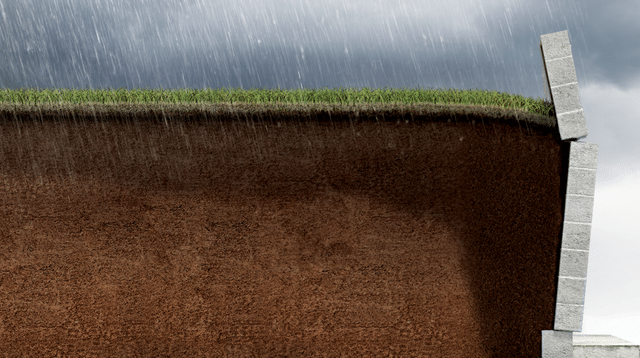
Moisture in basements

Moisture (humidity) in basements is a very common problem but it is not always treated in the right manner. Basements that are used as living or bedroom spaces, moisture problems can not only become annoying but pose a serious threat to one’s health.  That’s why it is of up-most importance to deal with any moisture problems before finishing a basement.

It is critical to understand where the water is coming from before trying to solve any humidity problems. There are basically three sources of moisture:

  • Water from rain or ground water
  • Humid air that enters the basement externally and condenses on cooler surfaces
  • Moisture from internal sources such as humidifiers, unvented clothes dryer, bathrooms as well as moisture from concrete after construction

Some symptoms of humidity

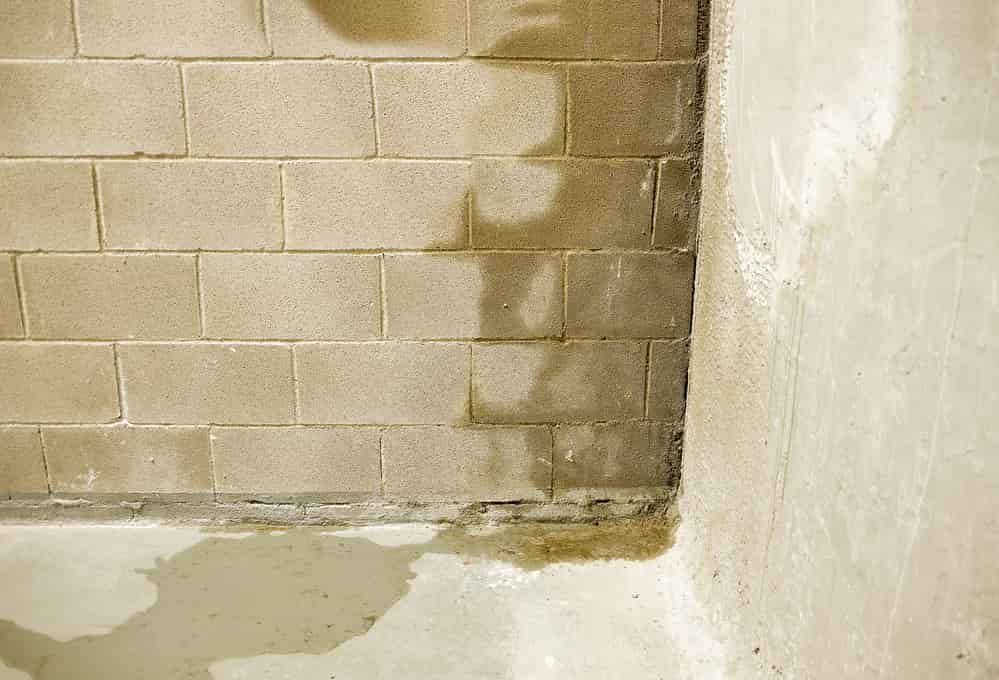
  • Water leaking out of walls
  • Standing water on floors
  • Damp, humid air
  • Odor, mold and mildew
  • Deterioration of carpet or wood
  • Dampness on concrete block walls

Typical causes of basement moisture problems

Inadequate grading – If the ground around a foundation is level or slopes toward the house, this can cause water to be directed into the basement.

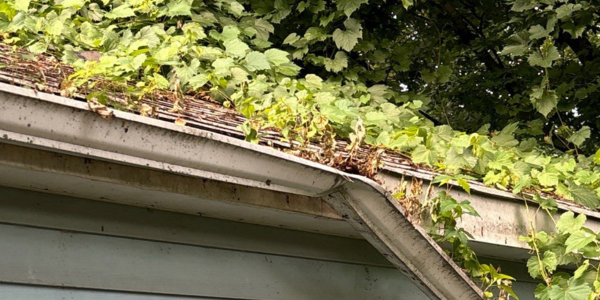
Defective or missing gutters and downspouts – Missing gutters and downspouts cause rainwater to be directed toward perimeter of the foundation.

Improperly designed window wells – Window wells are like a drain right next to the basement wall. Often they are improperly built so that any water is directed toward, rather than away from the foundation.

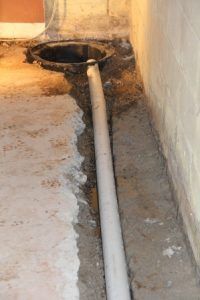
Ineffective drain tile and sump pit – These systems sometimes do not work for a variety of reasons, such as broken drain tiles, clogging of the pipe with silt or debris, or a broken connection to the sump. The sump pit usually contains a pump designed to lift the water to the ground surface outside the foundation wall. This pump can fail.

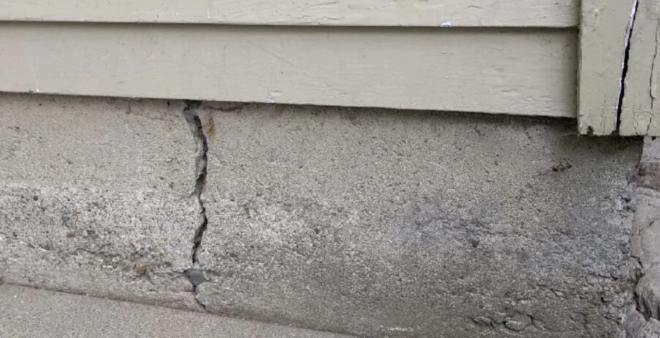
Structural cracks – Concrete and concrete block foundations usually develop some cracks. Also, soil settling may cause cracking.

The post Moisture in basements appeared first on ACCL Waterproofing.
By Fernando Rebeles August 19, 2026
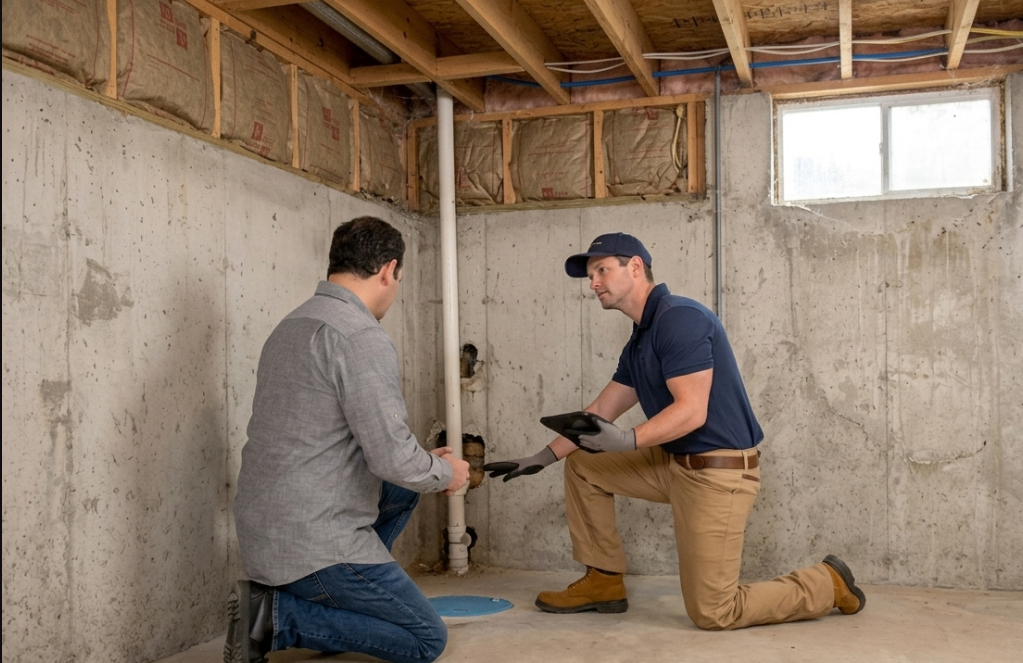
Learn how to inspect your basement for foundation cracks, moisture, mold, efflorescence, drainage problems, and other warning signs of water intrusion.
By Fernando Rebeles August 17, 2026
8 Waterproofing Myths Every Homeowner Should Stop Believing
By Fernando Rebeles August 14, 2026
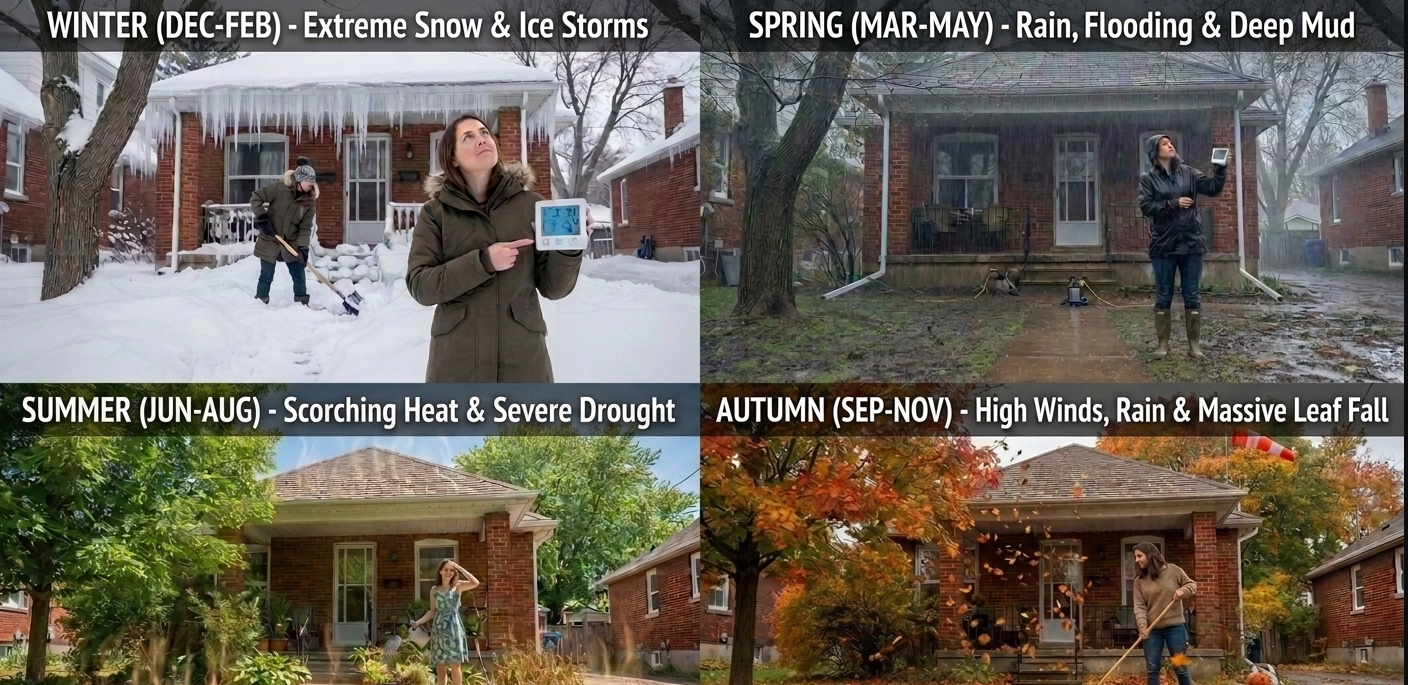
Ontario homeowners know that the weather can change dramatically throughout the year.  From spring snowmelt and heavy summer rainfall to falling leaves in autumn and freezing temperatures in winter, every season brings different challenges for your home.
By Fernando Rebeles August 12, 2026
Ever wonder what happens beneath your lawn when it rains?  Learn how groundwater affects your foundation and why proper waterproofing is essential.
By Fernando Rebeles August 5, 2026
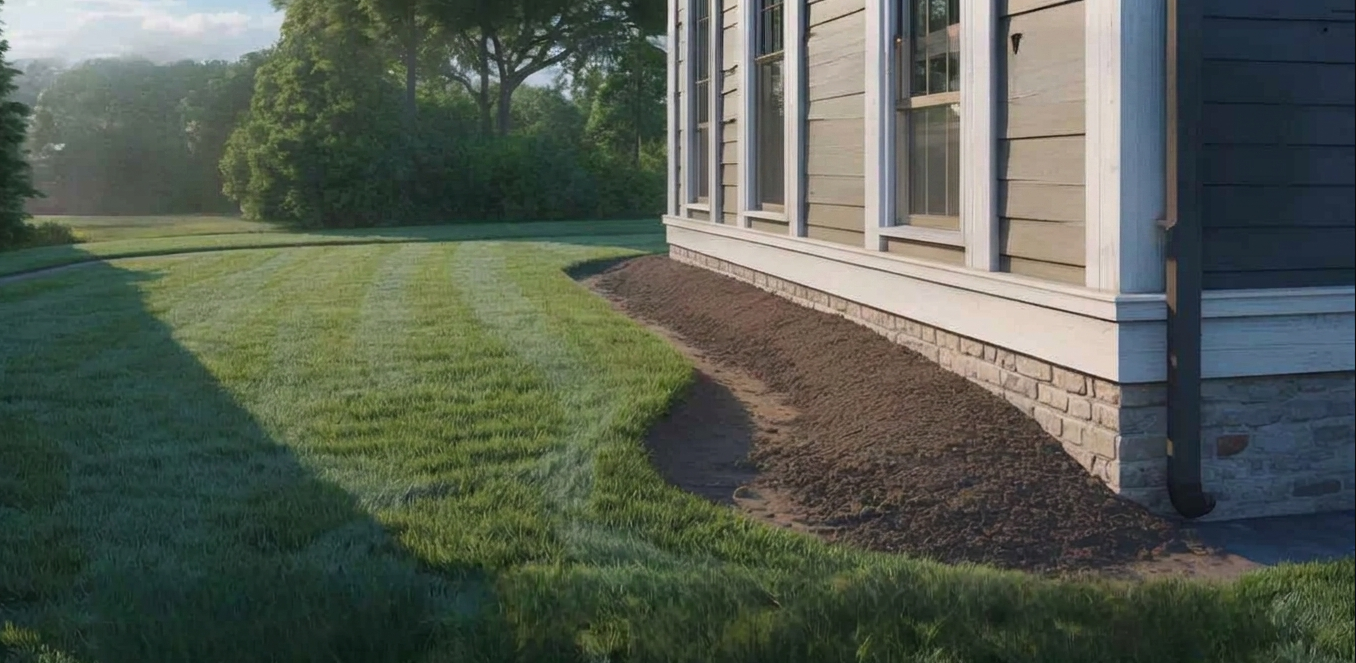
Proper grading is one of the most important defenses against basement leaks and foundation damage. Learn how directing water away from your home can prevent costly repairs.
By Fernando Rebeles August 3, 2026
Clogged gutters can allow thousands of gallons of water to collect around your home's foundation. Learn how proper roof drainage helps prevent basement leaks and foundation damage.
By Fernando Rebeles July 31, 2026
Heavy rainfall can expose hidden weaknesses in your home's waterproofing system. Learn why basement leaks occur after storms and how to protect your foundation from water damage.
Recognizing drainage problems before they lead to water intrusion, foundation damage, and expensive
By Fernando Rebeles July 29, 2026
Your weeping tile system plays a critical role in protecting your foundation from water damage. Learn the warning signs of failure and how to prevent costly basement leaks.
By Fernando Rebeles July 26, 2026
A small foundation crack may seem harmless, but it can lead to water intrusion, mold growth, structural damage, and costly repairs. Learn why early intervention matters.
By Fernando Rebeles July 24, 2026
Understanding the hidden force behind many basement leaks, foundation cracks, and water intrusion problems.