Humidity (Moisture) in Basements
Humidity in basements is a very common problem. The danger arises as a result of not being handled in the right manner. Moisture problems can not only become annoying but pose a serious threat to one’s health. That’s why it is of utmost importance to deal with any moisture problems before finishing a basement.
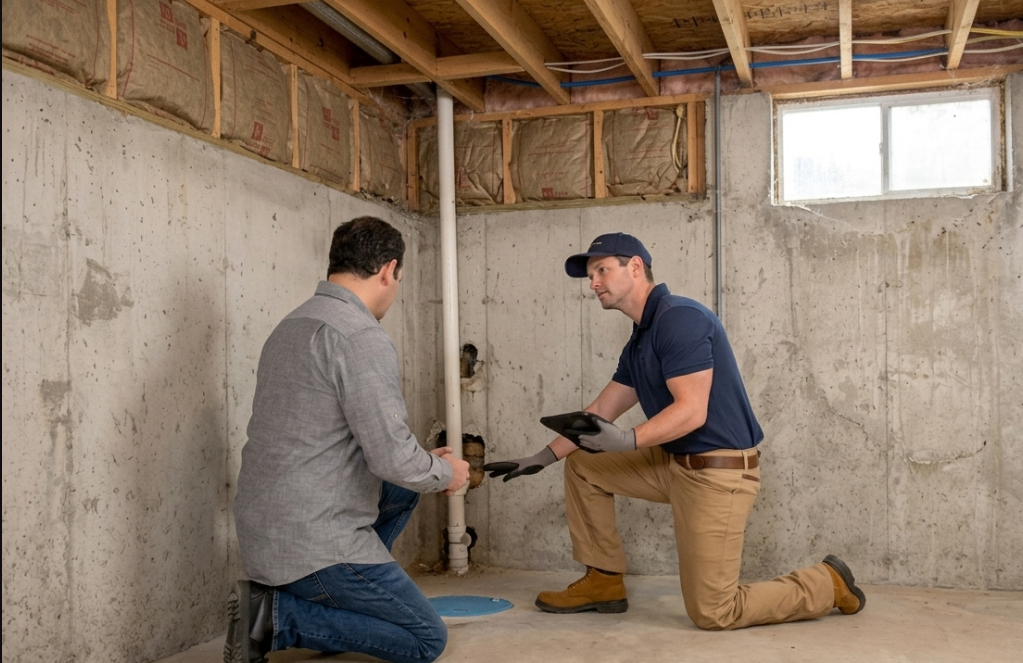
Knowing where the water is coming is the critical first step when trying to solve any humidity problems. There are three sources of moisture to watch out for:
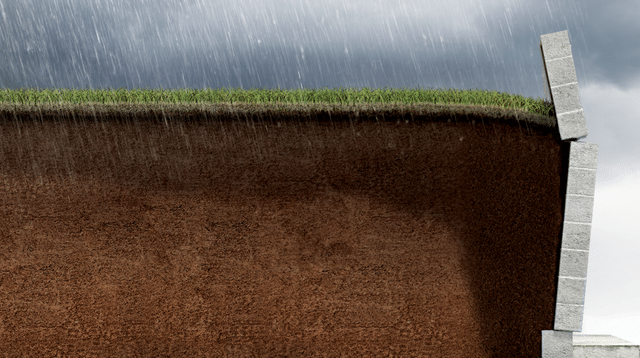
- Water from rain or groundwater
- Humid air that enters the basement externally and condenses on cooler surfaces
- Moisture from internal sources such as humidifiers, unvented clothes dryer, bathrooms, and moisture from concrete after construction
Signs to Look For
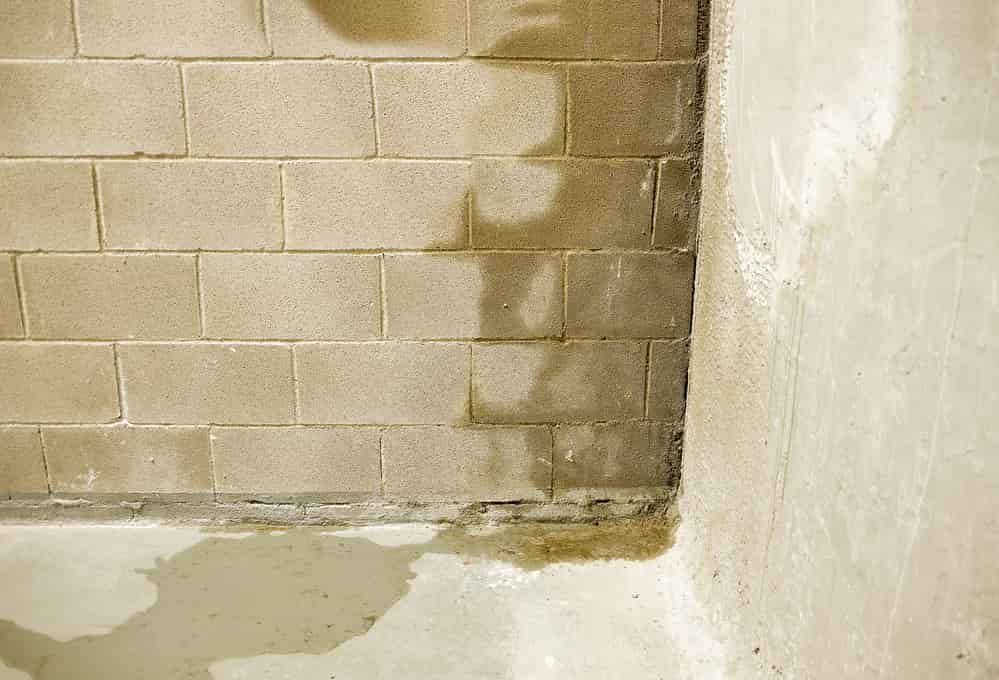
- Water leaking out of walls
- Standing water on floors
- Damp, humid air
- Odor, mold, and mildew
- Deterioration of carpet or wood
- Dampness on concrete block walls
Typical Causes of Basement Humidity Problems
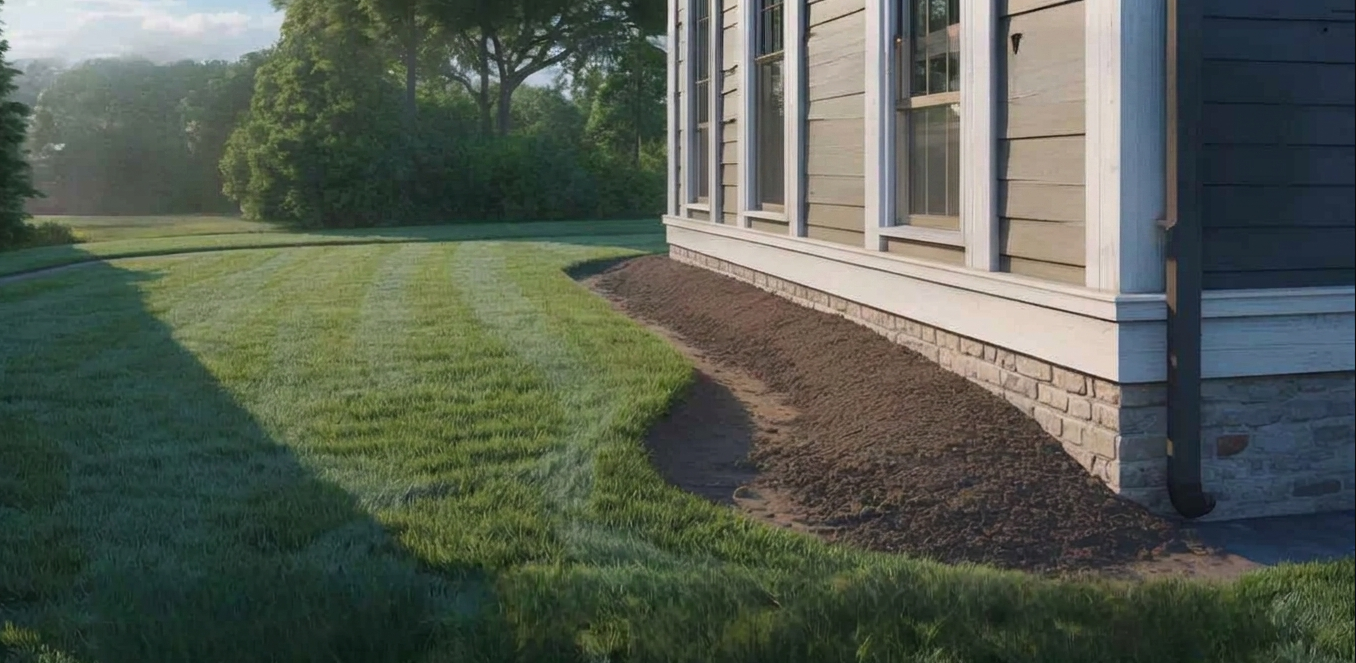
Inadequate Grading – Becomes a factor if the ground around a foundation is level or slopes toward the house. This can result in water to be directed into the basement.
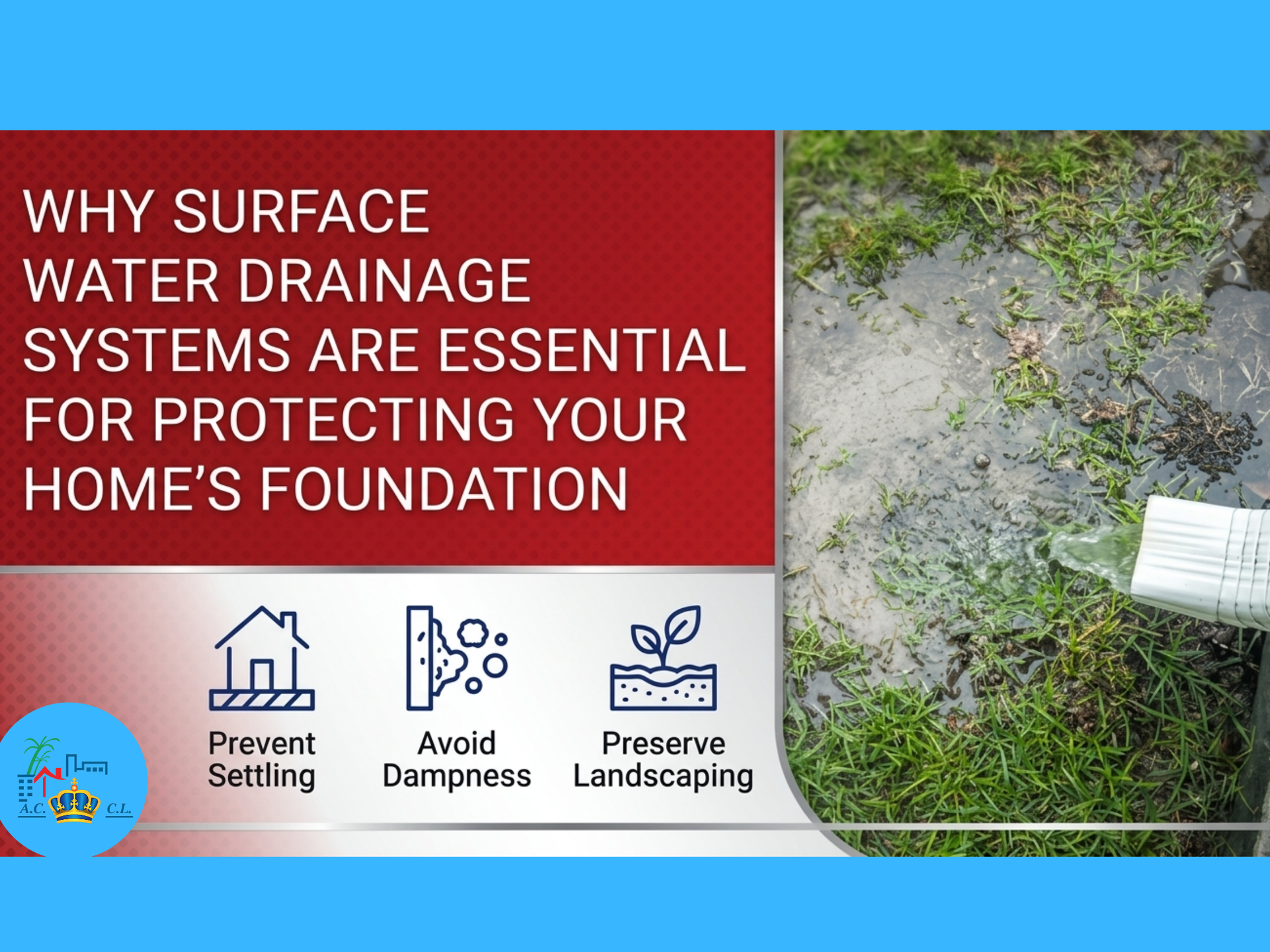
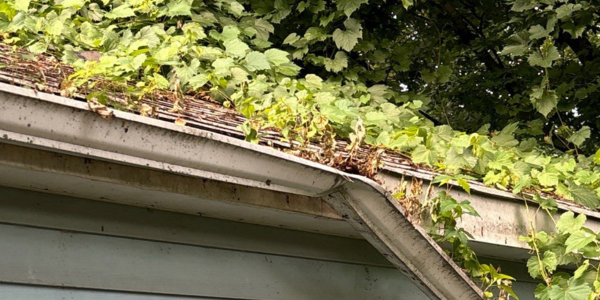
Defective/Missing Gutters & Downspouts – Causes rainwater to be directed toward the perimeter of the foundation.
Improperly Designed Window Wells – Window wells are like a drain right next to the basement wall. A sign of poor design is if it directs water toward your home rather than away.
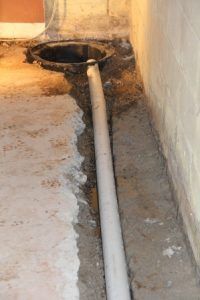
Ineffective Drain Tile & Sump Pit – These systems sometimes do not work for a variety of reasons:
- Broken drain tiles
- Clogging of the pipe with silt or debris
- Broken connection to the sump.
- The sump pit usually contains a pump designed to lift the water to the ground surface outside the foundation wall. This pump can fail.
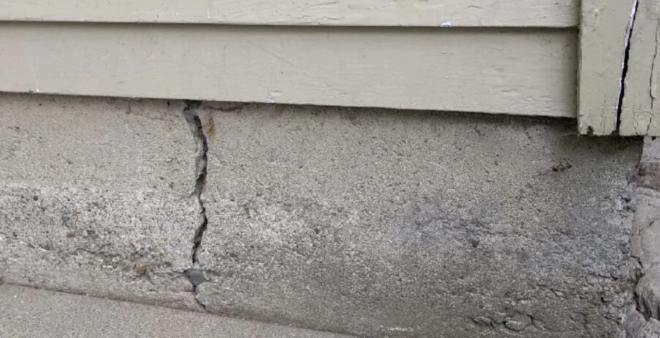
Structural cracks – Concrete and concrete block foundations usually develop some cracks. Another cause can be soil settling.
Know the signs and ensure that basement humidity is not a threat to you or your family.
The post Humidity (Moisture) in Basements appeared first on ACCL Waterproofing.