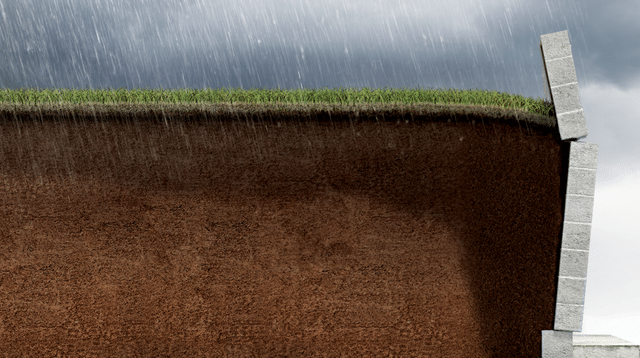
Concrete Slab or Crawl Space Foundation?
Concrete Slab or Crawl Space?
the main decision of whether to go with a crawl space foundation or concrete slab depends on the type of soil, drainage, landscaping, and grading around your home. Both concrete slabs and crawl space foundations have benefits and disadvantages, the main decision falls on the factors above.
Definition of a concrete slab:
Concrete Slab foundations are made from concrete poured directly at the home site. These foundations don’t require much preparation and are very easy to install. The concrete slab foundations are typically about 2 feet deep on the edges and less than 1 foot thick in the remaining areas. Slab foundations are used most frequently in warmer climates.
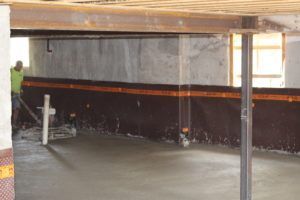
Definition of a crawl space:
Crawl space foundations are usually constructed with cinder blocks and bricks. This style of foundation is common in wet climates where water would accumulate around the base of the foundation otherwise. An elevated home with a crawlspace underneath will be safer from flooding or frequent rain. Homes will also be less likely to have a problem with termites or rodent infestations.
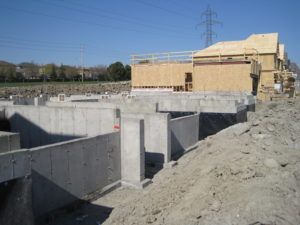
What makes a concrete slab different from a crawl space foundation?
Concrete slab foundation is a big rectangle of concrete that makes up the bottom of your home. However, it is anchored in the ground by thick footing around the edges of your foundation, often reinforced by rebar. This leaves no space between the bottom of your basement floor and the ground.
A crawl space foundation also has concrete or cinder block footings around the perimeter of your home that are rooted under the ground, but also have piers throughout the floor that stick up to directly support the floor joists under your floor. Piers are either concrete blocks, metal columns, or wooden posts. This leaves an aptly named, crawl space, under your floor, beneath your home.
Concrete Slab Pros and Cons:
Concrete slab foundations are typically more budget friendly to install as they can be laid over undisturbed soil, requiring less labor. When you install a concrete slab, you won’t have to worry about animals hiding under your home or leaking pipes damaging your foundation. Concrete slabs limit accessibility to your HVAC systems and ductwork; making any repairs to these systems will be more expensive. It’s possible for tree roots to grow into your concrete slab, causing cracks.
Crawl Space Pros and Cons:
Crawl space foundations typically home you HVAC under the house for easy maintenance and repairs. Your home is elevated with a crawl space making it less likely to have termite damage. Crawl space foundations can also be built on a sloped lot using graduated footings. Crawl spaces are well known for flooding and excess moisture that can cause future problems if left untreated. The most important thing to do when installing a crawl space foundation is to plan for drainage away from the crawl space, and ventilation to dry out the crawl space.
Concrete slabs and crawl space foundations will be durable if constructed professionally from quality materials on a properly prepared lot. Expect a concrete foundation to last about 50 years or more barring any shifts in the earth beneath the concrete or tree root intrusion. A crawl space has about the same life expectancy, barring any violent flooding or insect infestation.
The basement waterproofing specialists at ACCL Waterproofing know how to repair your basement and foundation walls and keep moisture out of your basement. ACCL Waterproofing would be pleased to develop a guaranteed unique solution to keep your basement dry!
When you choose ACCL Waterproofing, you have the peace of mind, knowing that you have a trusted name in the Greater Toronto Area and Durham Region to keep your basement dry.
The post Concrete Slab or Crawl Space Foundation? appeared first on ACCL Waterproofing.