How do basements become wet?
How do basements become wet?
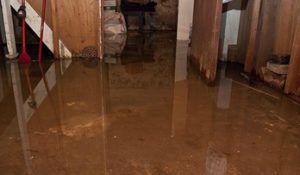
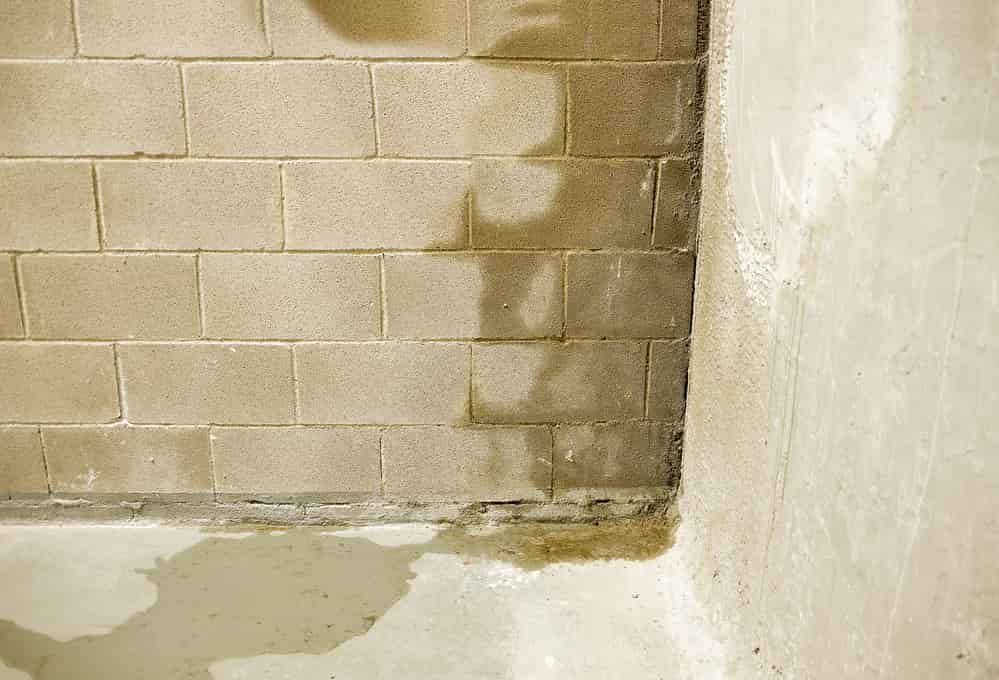
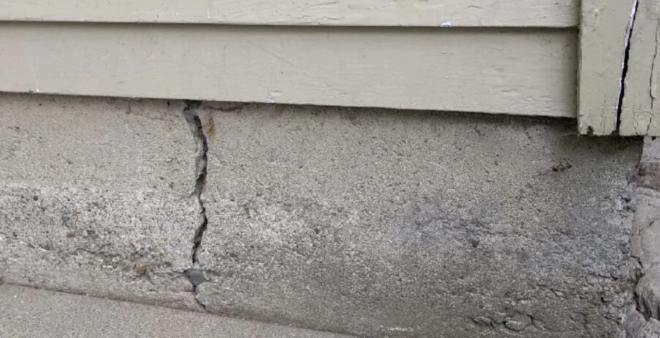
Basements are one of the most vulnerable areas of the house that is susceptible to moisture, leaks, and condensation. Have you noticed cracks outside your foundation walls, or inside on the walls and floors? Or have you seen the signs of peeling paint, mold and mildew, and pooling of water on your basement floor? – Ever wonder what could be the cause and why this tends to happen in basements majority of the time? In this article the waterproofers at ACCL Waterproofing will go over the reasons why your basement can become flooded, leaky, and humid and how you can prevent it!
4 Reasons why your basement can become wet:
1. Broken or Cracked Gutters and Downspouts
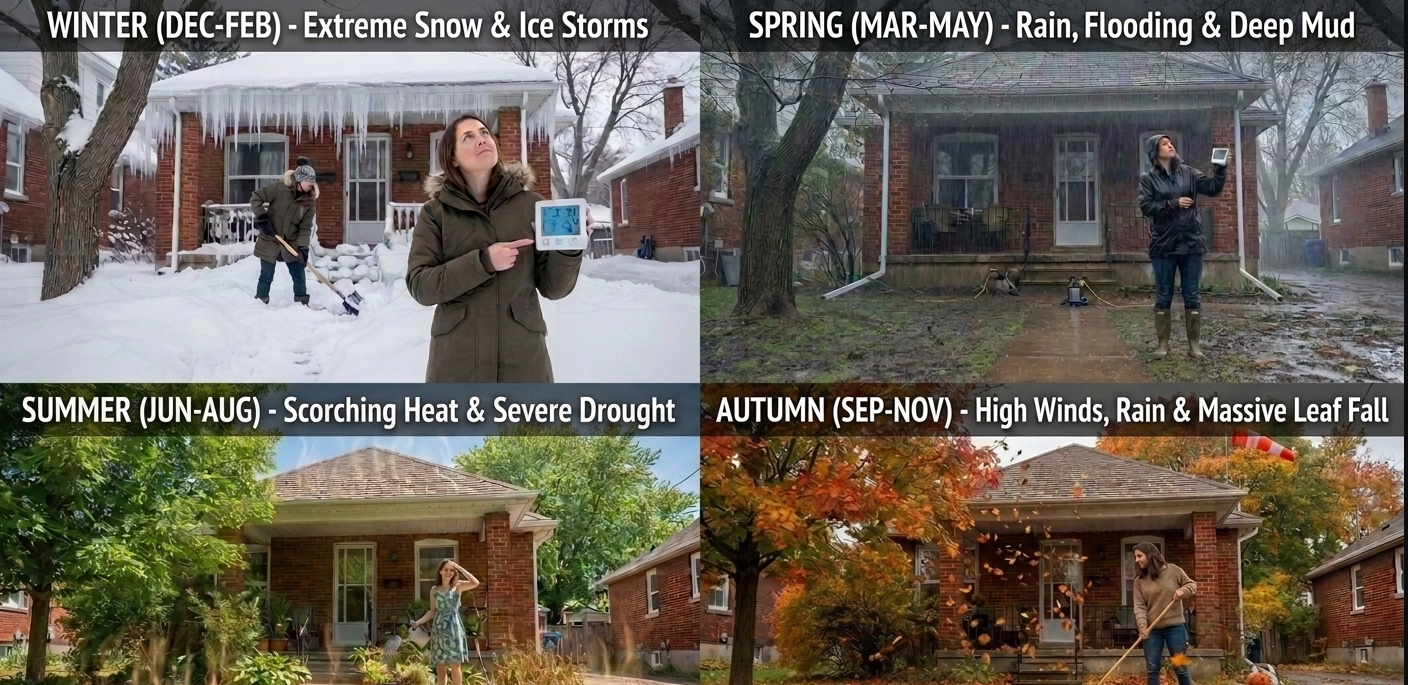
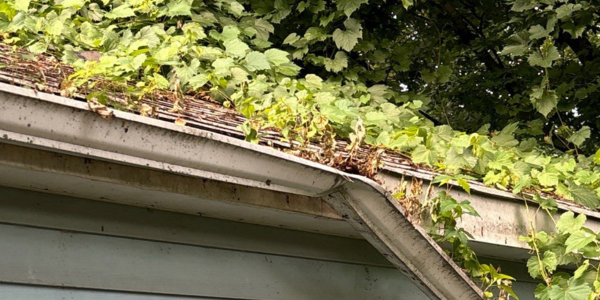
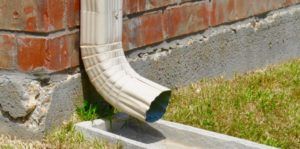
A wet basement can be caused by your gutters and downspout system. Pay attention to the changing seasons during spring and summer as well as the weather. Rainstorms and winter snow thaws are a huge factor for wet basements, looking outside your house frequently during these storms and thaws to ensure your downspouts and gutters are functioning adequately can help protect your basement from leaks and floods. Noticing cracks or broken areas is a sign you need to have your gutters or downspouts repaired and replaced. Cracks and broken areas will allow water to pool around the foundation of your home causing moisture, humidity, damp basements, leaks, and musty scents throughout your basement. Cleaning your gutter system after each season as well as getting the necessary repairs will allow water to drain away from your home preventing a wet basement
2. Sump Pump Failure
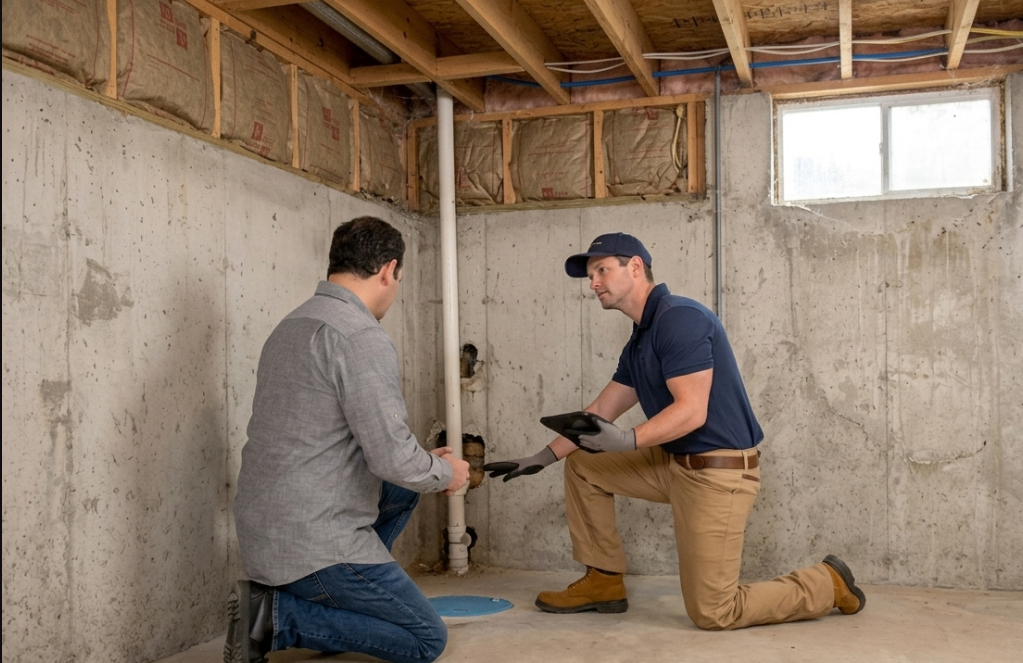
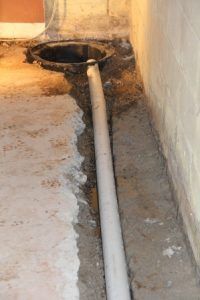
One of the best ways to keep your wet basement dry and safe of any flooding is to install and maintain a sump pump. Sometimes your sump pump can fail due to several reasons, such as power failure, improper installation, clogged lines, and poor maintenance. When a sump pump failure happens, it can cause a large influx of water to overburden the system forcing leaks to happen around the foundation of your home. Eventually these leaks will seep into the basement walls. ACCL Waterproofing highly recommends calling a waterproofing company, or sump pump maintenance company for immediate assistance if you notice any problems with your sump pump.
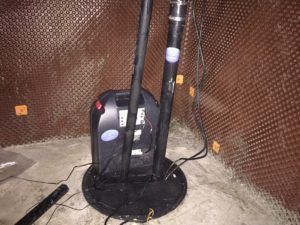
Sump pump installed
3. Grading and Slope:
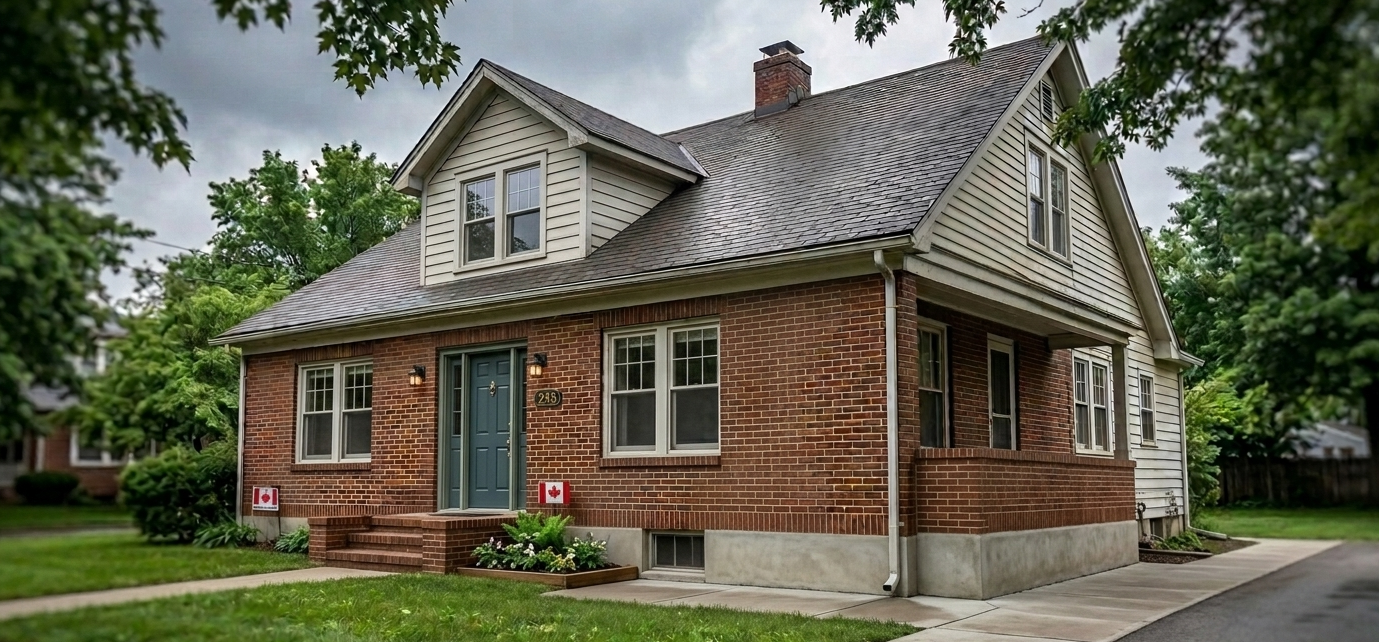
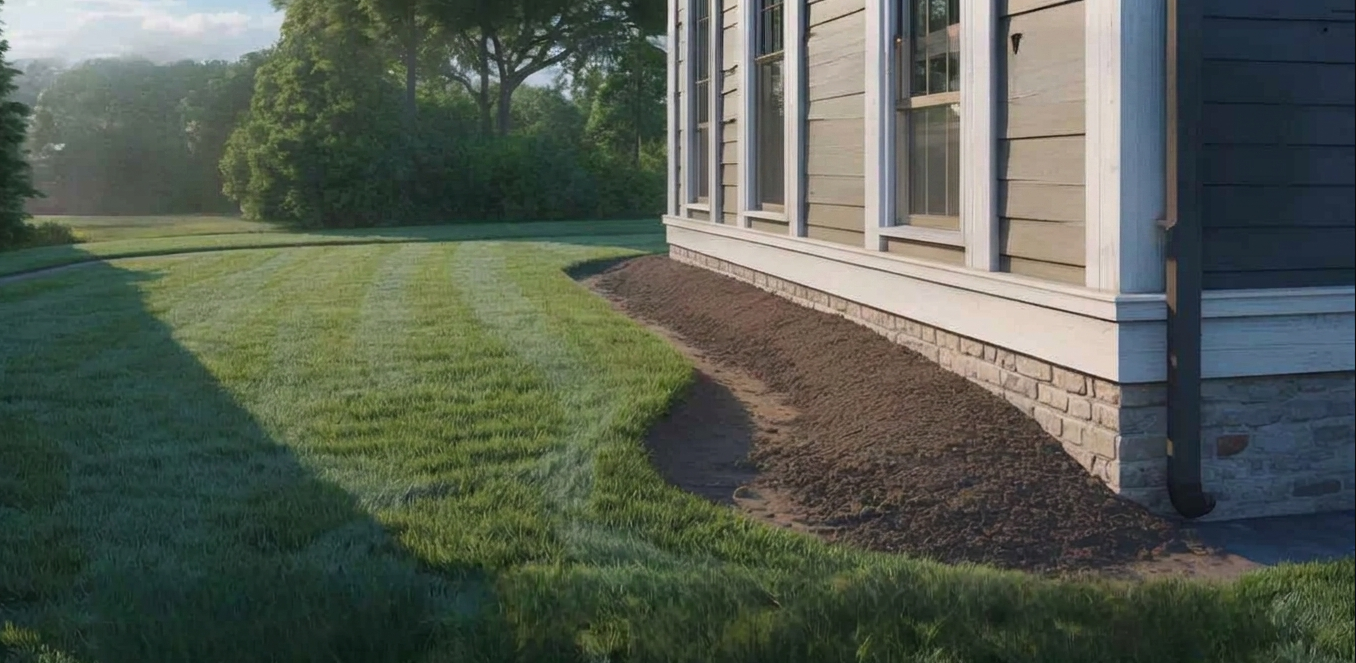
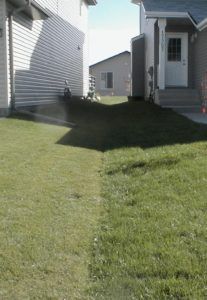
Seeing and noticing water along the wall of your basement can be a clear indication that there’s a problem with your drainage. If the grading around your foundation is ineffective it will cause the rain or groundwater to make its way into your basement. If the ground slopes inwards or even if its leveled, it could be directing rainwater back towards your home. Remember the grade around your foundation should slope away from the house, not towards it. Usually property slope and grading problems are more common among older homes as the soil shifts and resettles over time. If you think you have property slope or grading problem, you need to have this inspected by a professional as soon as possible.
4. Foundation cracks
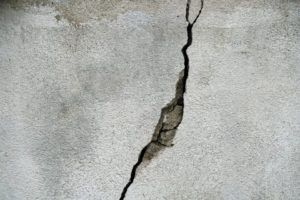
Cracks in your foundation can occur when your property or buildings begin to age, settle and the foundation shifts, causing water seepage and basement floods. If you are a homeowner or rent a property than you know that seeing or noticing cracks on the inside and outside of the property’s foundation or any signs of leakage coming from the cracks during rainstorms and snow melts can be a sign that a crack injection is needed.
Tips for Preventing a Wet Leaky Flooded Basement
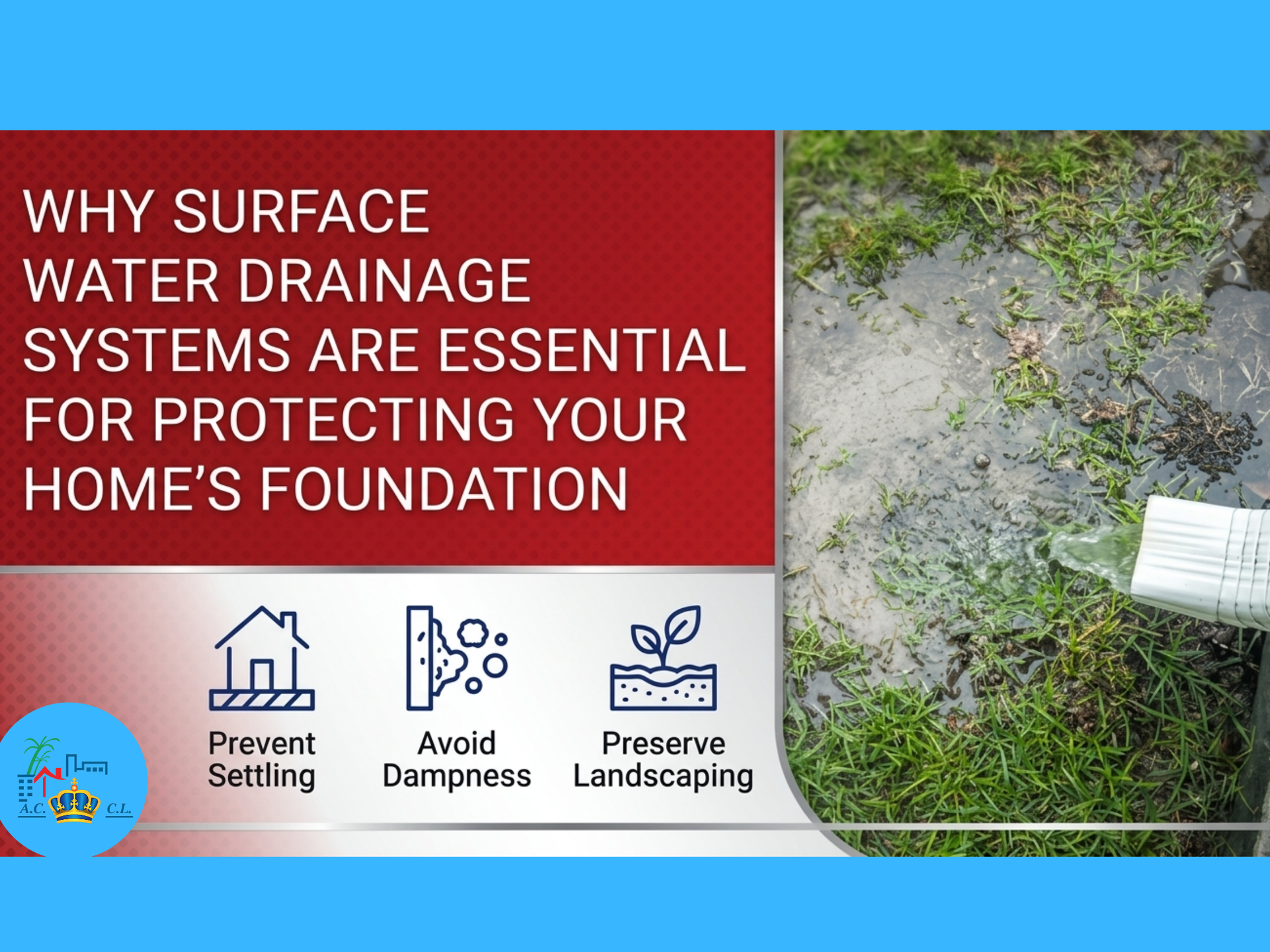
Keep Gutters & Down Spouts Clean – Keep gutters clean and extend downspouts away from the house and foundation. This will help limit roof water from collecting and pooling around the foundation.
Landscape – The grade around your foundation should slope away from the house to keep rainfall from collecting and pooling against foundation walls.
Sump Pump Maintenance – Make sure your sump pump is working properly. Make sure the sump pump is plugged into a working electrical outlet. Sump Pump Systems should be serviced (preventative maintenance) at least once a year.
Install A Sump Pump – A sump pump with an automatic level switch should be installed into a basement sump pit (sump liner). When water enters the sump pit, the sump pump will pump water out of the basement (below grade) and away from the house.
Install A Backup Sump Pump – A battery backup sump pump will automatically pump water out and away from the house when there is power loss or if the primary sump pump fails. A battery backup sump pump will also pump water out if the primary pump becomes overwhelmed.
Repair Foundation Cracks – Inspect your basement and repair any cracks. Make Sure There are No Cracks in the foundation wall.
Repair Window Leaks & Protect Window Wells – Inspect basement windows for leaks. If they are leaking, repair them or have them replaced. If your basement windows are below grade, clean any debris around the windows and consider installing Window Well Covers.
Snow Removal – Shovel snow away from the perimeter of the home, especially basement windows. Keeping excessive snow away from your home’s foundation will reduce the amount of water caused by snow melt.
Check & Prevent Frozen Pipes – Inspect plumbing that is exposed in the basement. Insulate all water pipes from cold moving to prevent from pipe burst from freezing.
Most flooded basements are caused from a lack of maintenance, as we often look to quick fixes for wet basement problems. Getting the proper prevention system or maintenance can help prevent a flooded basement.
Get the job done RIGHT – Hire a professional Waterproofing company!
Want to know more about keeping your basement free of water? Give us a call at 905-448-5909
Rely On our ACCL Wet Basement Waterproofing Experts
If you need a basement underpinning renovation to increase the height and square footage of your home, or if your foundation is showing structural problems. CALL 905-448-5904 or CLICK HERE to visit our contact page.
The basement waterproofing specialists at ACCL Waterproofing know how to repair your basement and foundation walls and keep moisture out of your basement. We would be pleased to develop a guaranteed solution to keep your basement dry!
Click here to view our JULY promotions!
The post How do basements become wet? appeared first on ACCL Waterproofing.