Basement Waterproofing
Common Waterproofing Myths Debunked
Waterproofing is a crucial aspect of maintaining any structure, whether it’s a home, office, or commercial building. However, many misconceptions surround waterproofing, leading to costly mistakes and ineffective solutions. In this blog, we will debunk some of the most common waterproofing myths and set the record straight.
Myth 1: Waterproof Paint is Enough to Prevent Leaks
Many people believe that applying waterproof paint to walls and surfaces will provide sufficient protection against water infiltration. While waterproof paint can be a temporary moisture barrier, it is not a long-term solution for serious water issues. Water can still seep through cracks, joints, and porous materials, leading to underlying structural damage over time.
Myth 2: New Homes Don’t Need Waterproofing
It’s a common misconception that only old or damaged structures require waterproofing. New homes and buildings are just as susceptible to water damage. Poor construction practices, inadequate drainage, and improper material use can lead to leaks and dampness, even in newly built properties. Waterproofing should be an integral part of the initial construction process, not an afterthought.
Myth 3: Waterproofing is Only Necessary for Basements
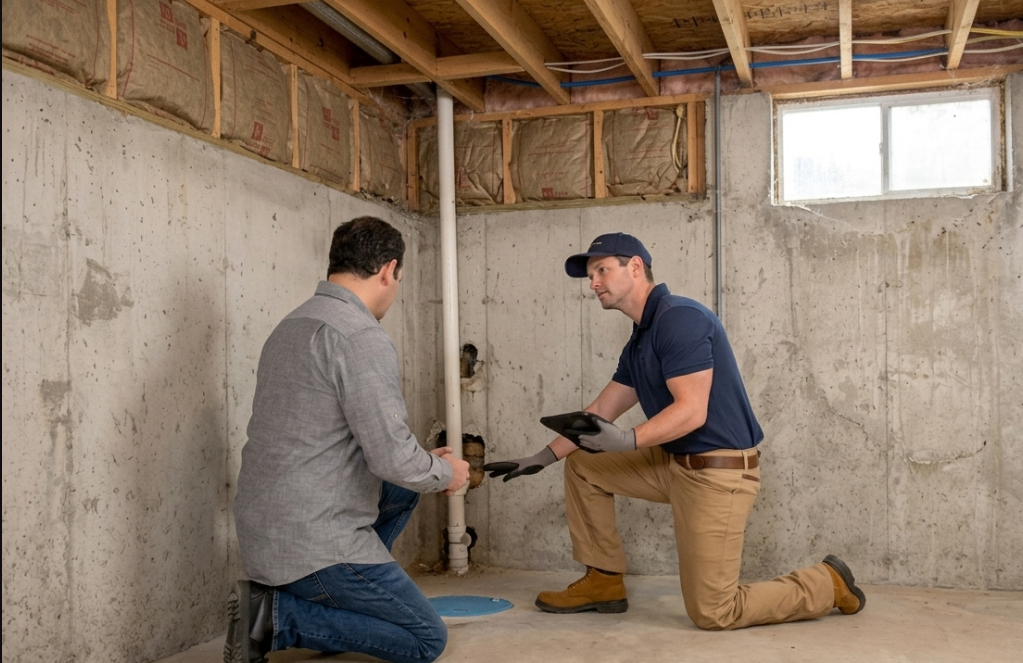
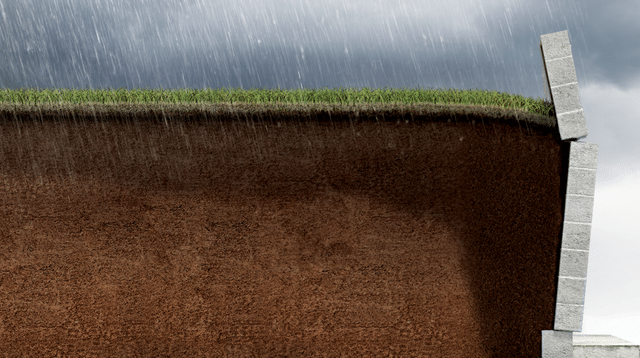
While basements are prone to water infiltration due to their underground location, waterproofing should not be limited to just this area. Roofs, balconies, bathrooms, and even external walls can experience water damage if not properly sealed. Ignoring these areas can lead to mold growth, structural weakening, and expensive repairs.
Myth 4: DIY Waterproofing Works Just as Well as Professional Solutions
DIY waterproofing solutions might seem like a cost-effective alternative, but they often lack the durability and effectiveness of professional-grade materials and techniques. Proper waterproofing requires thorough assessment, high-quality materials, and expert application to ensure long-term protection. Hiring a professional ensures that the job is done correctly, saving you time and money in the long run.
Myth 5: Waterproofing is a One-Time Investment
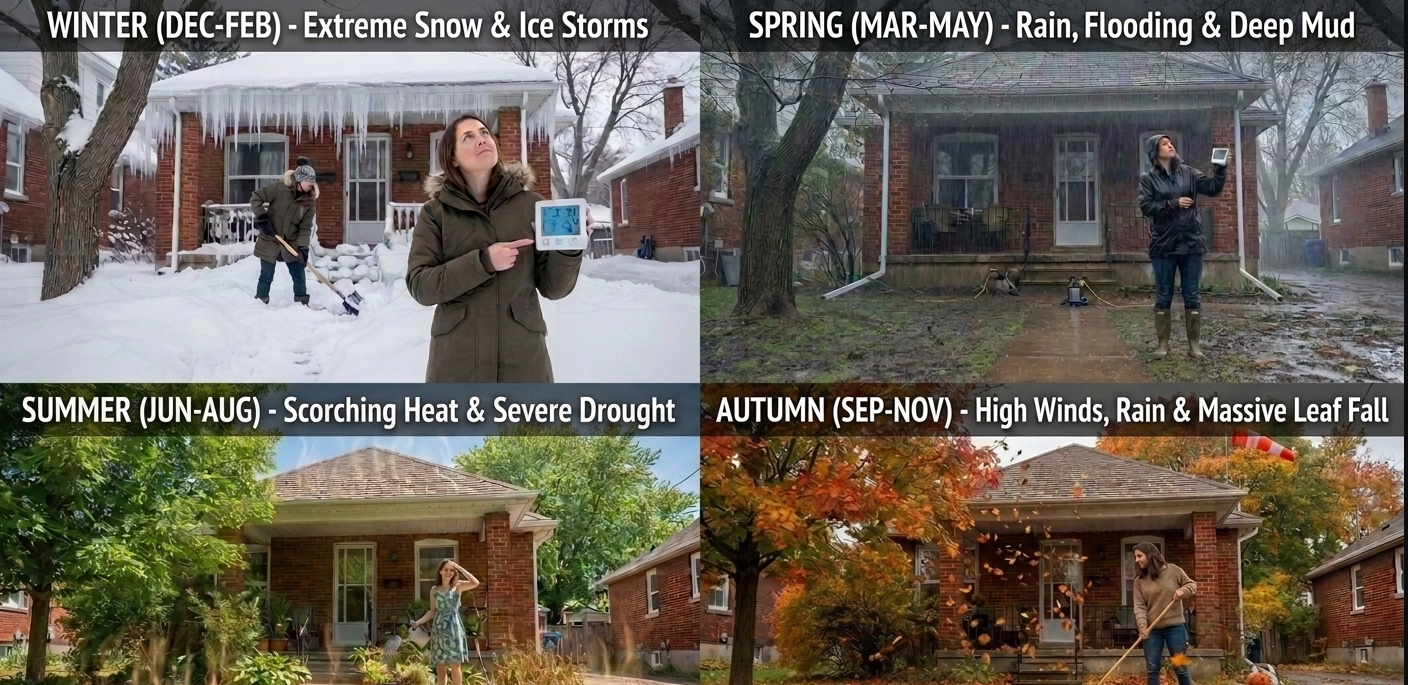
Many property owners assume that once waterproofing is done, it will last forever. However, waterproofing systems require regular maintenance and periodic inspections to remain effective. Factors such as weather conditions, material wear and tear, and structural shifts can compromise waterproofing over time. Routine maintenance ensures continued protection against water damage.
Myth 6: Cracks in Walls and Floors Are Only Cosmetic Issues
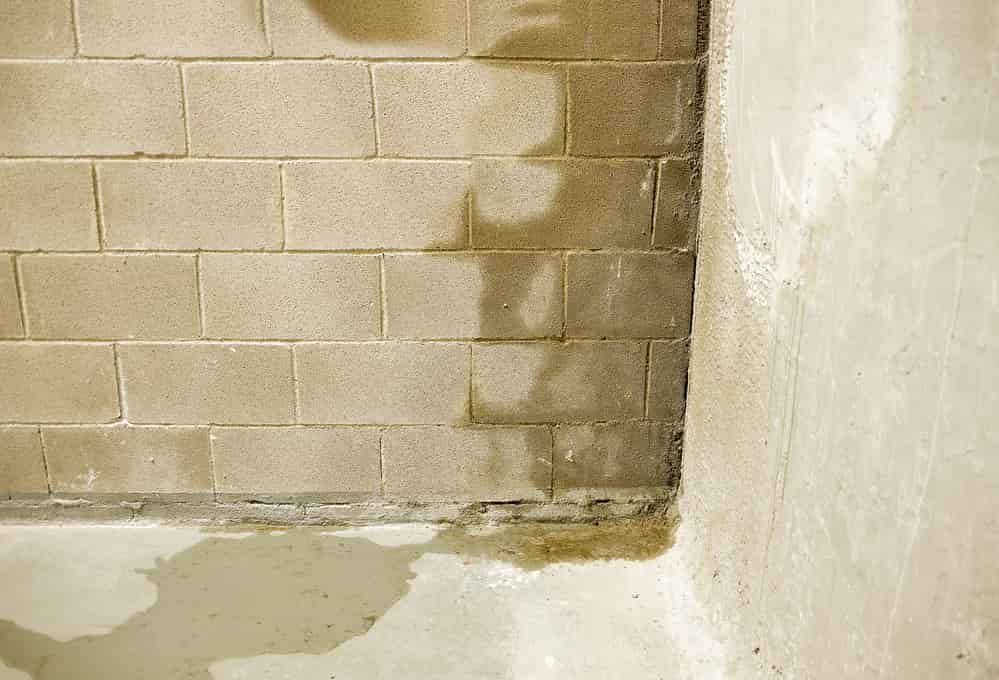
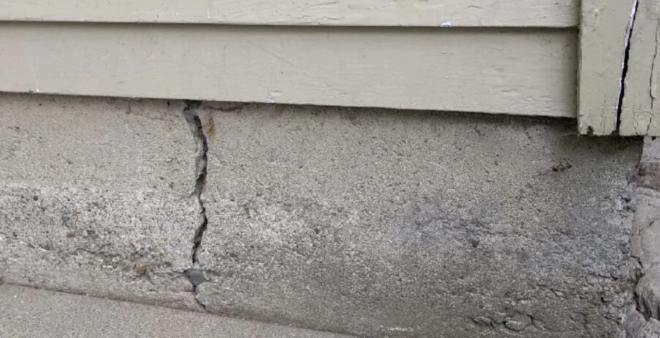
Small cracks in walls and floors may seem harmless, but they can be a sign of underlying moisture problems. Water can seep through these cracks, leading to mold growth, weakened structures, and further deterioration. Sealing cracks with a proper waterproofing solution is essential to prevent long-term damage.
Conclusion
Waterproofing is a vital component of property maintenance, but misinformation can lead to inadequate solutions and costly repairs. By debunking these common myths, you can make informed decisions and ensure your home or building remains protected against water damage. If you’re unsure about the best waterproofing approach for your property, consulting a professional is always the best course of action.
The post Basement Waterproofing appeared first on ACCL Waterproofing.